
Data security has become a top concern for businesses across industries, and for good reason. According to Statista, the second quarter of 2025 alone saw nearly 94 million data records exposed in breaches. These breaches impact millions of people worldwide, and all too often, that sensitive information ends up for sale on the dark web.
As digital interactions grow, companies handling sensitive data face increasing pressure to protect information and be transparent about how it’s secured. Clear communication around data security practices helps build trust and accountability.
Transparency isn’t just about meeting compliance standards. It’s about openly demonstrating how data is safeguarded at every stage of the process.
The Foundation of Transparent Data Security
Transparent data security begins with clear, well-defined policies that explain how information is handled at every stage. This approach is rooted in AU10TIX brand values, which prioritize trust, accountability, innovation, and responsibility.
The company maintains detailed documentation outlining the entire data lifecycle, from collection and processing to storage and secure deletion. These policies clearly explain what data is collected, why it is necessary, how long it is retained, and who has access to it.
Transparency reports further provide stakeholders with measurable insights into security incidents, response times, and mitigation efforts. Rather than treating security as a black box, the focus remains on clear, accessible communication that both technical and non-technical audiences can understand.
This commitment extends to vendor relationships, third-party audits, and compliance certifications, ensuring every part of the security framework remains visible and accountable. By establishing this groundwork, it creates an environment where stakeholders feel informed and empowered rather than vulnerable.
Proactive Communication During Security Incidents
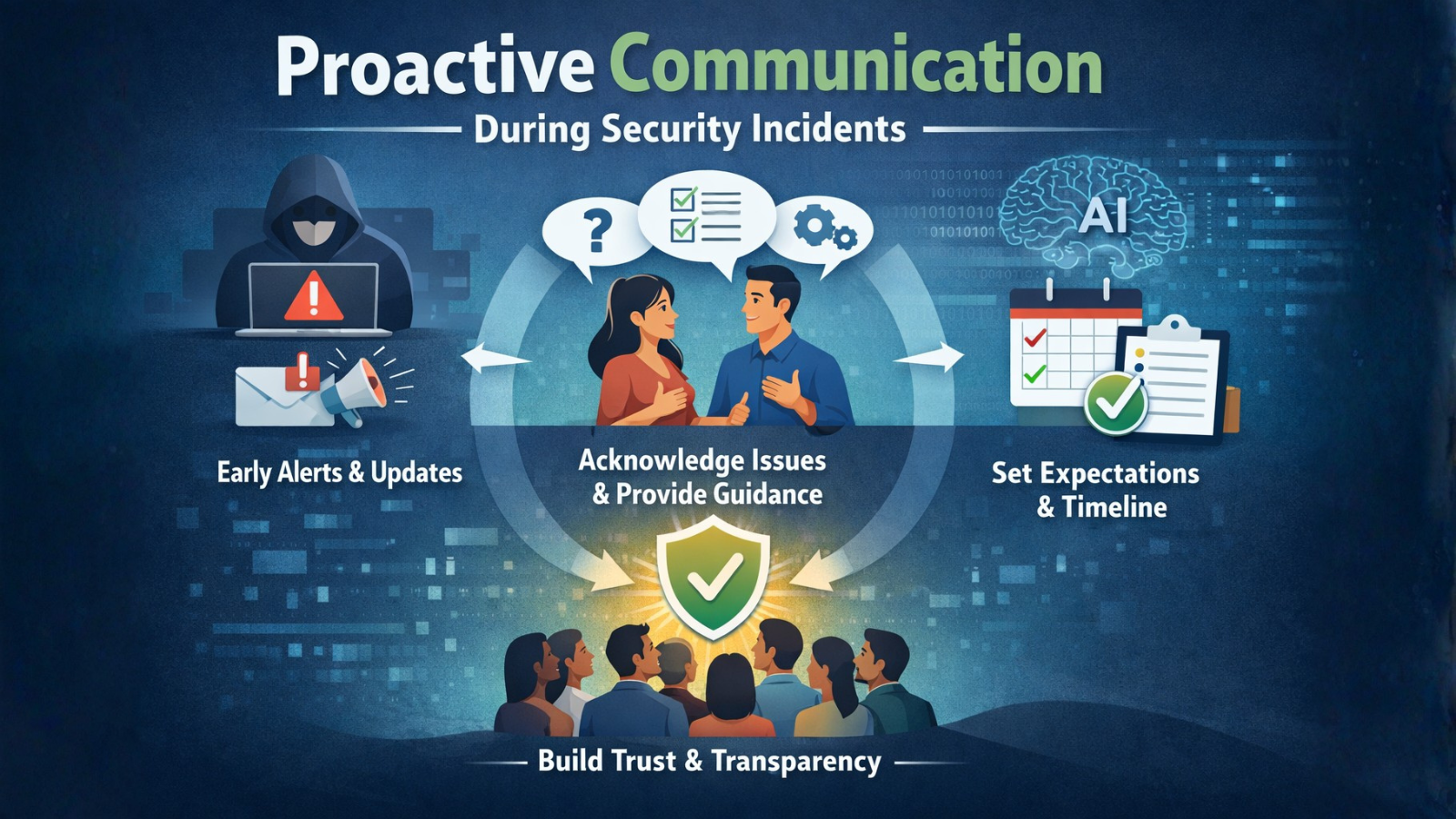

True transparency is tested during security incidents, when the pressure to delay or soften information can be strong. Leading data security frameworks recognize that proactive communication is essential to sustaining stakeholder trust over time. Instead of waiting for complete details, organizations should prioritize early stakeholder notification, followed by clear updates as the investigation progresses.
This includes openly acknowledging uncertainties, sharing actionable guidance, and committing to realistic timelines for resolution. This approach aligns with shifting consumer expectations. A recent study examining digital trust among 10,000 internet users highlights growing concerns around data use and AI training.
Conducted by Sapio Research for Usercentrics, the report found that 59% of consumers are uncomfortable with their data being used to train AI systems. In these conditions, organizations must prioritize clarity over polish, ensuring affected parties receive timely, useful information. Post-incident reviews and shared learnings further reinforce accountability and confidence.
Making Data Security Visible Through Technology and Transparency
AU10TIX uses technology to turn abstract security into a visible, verifiable reality. Through customer-facing dashboards, clients get real-time visibility into data usage, access logs, and compliance metrics. To ensure these aren’t just empty promises, the company uses blockchain to create immutable audit trails that stakeholders can independently verify.
This transparency is vital because, as IBM points out, data is often repurposed for AI training without consent. For example, a medical patient discovered her treatment photos were used in an AI dataset despite only consenting to clinical use.
AU10TIX prevents such risks by using privacy-enhancing technologies like tokenization and data minimization, explaining these safeguards through interactive guides. By hosting public bug bounty programs to find vulnerabilities, AU10TIX turns invisible data security into a measurable fact. This empowers users to see exactly how their information is protected and used.
Extending Transparency to Internal Security Controls
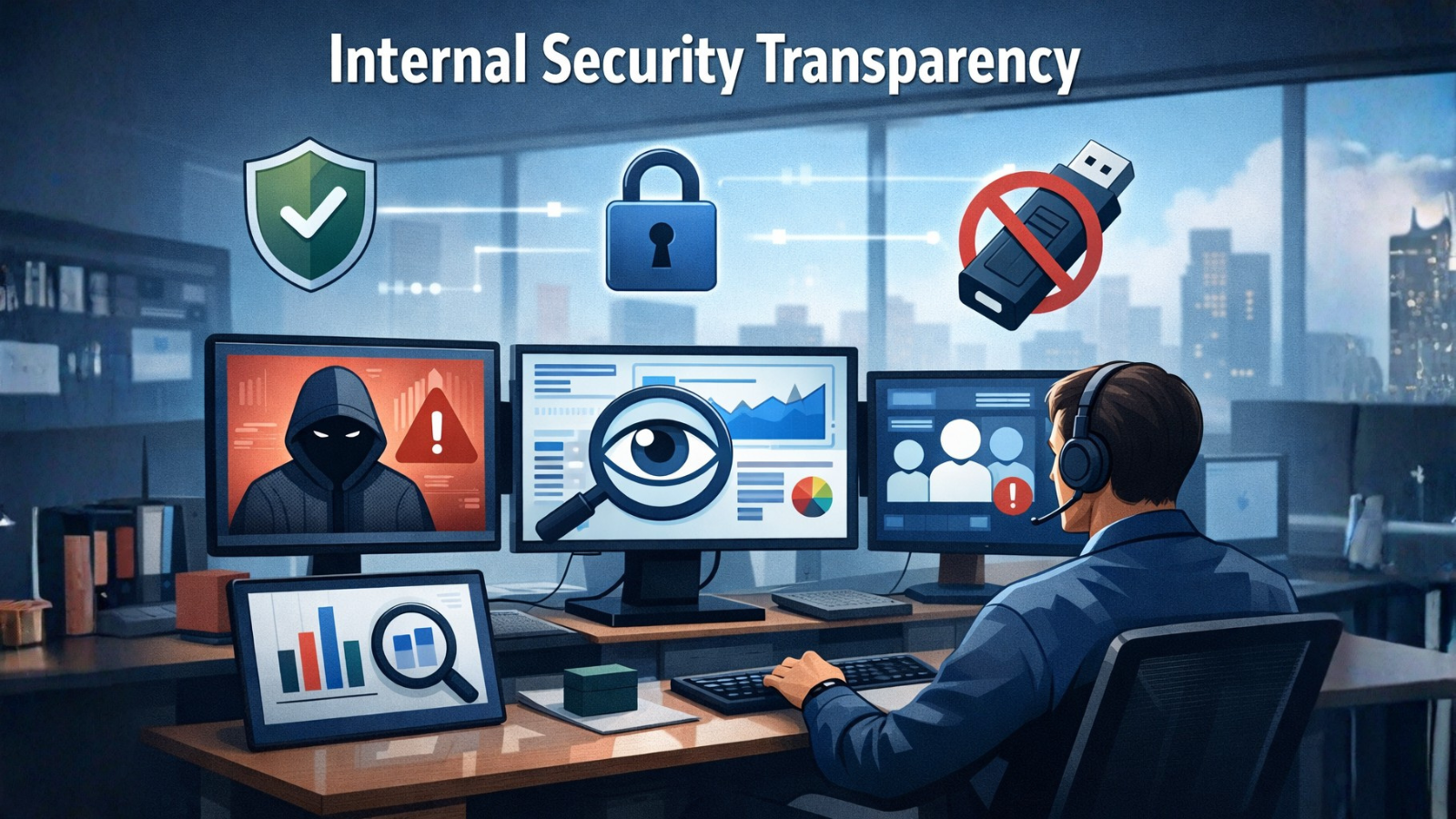
While external data handling transparency is essential, organizations must also ensure visibility within their internal environments. Insider threats, unauthorized data transfers, and policy violations can undermine even the most robust external safeguards.
Modern workforce monitoring solutions such as EmpMonitor strengthen internal transparency by providing structured visibility into system usage and potential risks. Features like insider threat detection help identify unusual behavioral patterns that may indicate data misuse. Web and application monitoring and blocking prevent access to unauthorized platforms, reducing exposure to external vulnerabilities. USB detection and blocking safeguards sensitive data from being extracted through removable storage devices.
Behavioral reports further contribute to accountability by offering measurable insights into employee system interactions, enabling organizations to detect anomalies early while maintaining documented oversight.
By combining external compliance transparency with internal behavioral visibility, companies create a comprehensive data security framework that supports both trust and operational integrity.
Regulatory Compliance as a Transparency Driver
Regulatory compliance should not be treated as a checkbox exercise, but as an opportunity to demonstrate transparency and accountability. Certifications such as ISO 27001, SOC 2, and adherence to GDPR frameworks provide structured standards for protecting sensitive information. When organizations share audit summaries and compliance documentation openly, they reinforce trust through measurable proof rather than promises.
This commitment is increasingly important as the regulatory landscape continues to evolve. According to PwC, more than a dozen U.S. states now regulate sensitive data and AI deployment, creating a complex patchwork of legal requirements. Some regulations include specific provisions governing automated decision-making, profiling, and data minimization.
To operate effectively across jurisdictions, organizations must maintain clear, accessible privacy policies that explain how data is processed, stored, and protected under different legal frameworks. Appointing data protection officers and providing direct channels for privacy inquiries further strengthens transparency.
By proactively engaging with regulators and communicating how new laws impact data handling practices, companies can stay ahead of compliance risks while reinforcing stakeholder confidence. This collaborative and forward-looking approach builds long-term credibility, showing that compliance is not just about meeting legal obligations, but about protecting user interests responsibly.
Transparency Is the Future of Data Security
As data breaches continue to rise and AI-driven systems reshape how information is used, trust has become a measurable business asset. Transparency is no longer a communication strategy; it is a structural requirement for modern data security.
Organizations that make their security practices visible, verifiable, and accountable build deeper confidence with customers, regulators, and partners alike. From clear policies and real-time oversight to proactive incident communication and regulatory alignment, transparency transforms data security from a hidden safeguard into a demonstrable commitment.
Brands like AU10TIX illustrate that security should not operate as a black box, but as an open framework grounded in accountability. In an environment defined by scrutiny and rising expectations, transparent data security is what separates compliant companies from trusted ones.
Ultimately, long-term credibility belongs to organizations willing to make their protections visible, not just promised.
FAQs
How does transparency improve data security rather than creating vulnerabilities?
Transparency focuses on processes, policies, and accountability rather than exposing specific technical defenses. By openly communicating security practices and incident responses, organizations invite scrutiny that identifies weaknesses before malicious actors exploit them. This collaborative approach strengthens overall security while building stakeholder trust.
What should organizations include in transparency reports?
Effective transparency reports should clearly explain how data is collected, how long it is retained, and whether it is shared with third parties. They should also outline compliance certifications and disclose any policy updates that affect data handling practices. Reports should use clear language, provide context for metrics, and demonstrate year-over-year trends in security improvements.
How can customers verify a company’s security transparency claims?
Customers should review independent audits, validate compliance certifications, and assess consistency in transparency reports. Testing data access and deletion processes, along with checking third-party security ratings, helps confirm whether public claims match real practices.