
While workforce analytics and employee monitoring software give you the critical data you need to ensure productivity, these metrics are only half the equation in remote work. High-performing remote teams can easily suffer from burnout and isolation if their emotional and social needs are ignored. To keep your top talent engaged, leaders must shift from micromanagement to macro-support, invest in professionally structured team building, create asynchronous spaces for socializing, prioritize continuous learning, and reward true outcomes. By combining the data-driven insights of platforms like EmpMonitor with human-centric engagement strategies, you can build a sustainable, resilient, and highly motivated remote workforce.
The Paradox of High Performance in Remote Work
If you are utilizing workforce management software to keep a pulse on your distributed team, you likely already have a wealth of data at your fingertips. You open your dashboard and the metrics look fantastic: activity levels are high, idle time is low, project deadlines are being met, and the overall productivity score of your remote team is peaking. From a purely operational standpoint, everything is running like a well-oiled machine.
However, this is exactly where the paradox of high performance in remote work begins.
Just because an employee is highly productive does not necessarily mean they are highly engaged. In a remote or hybrid setting, the lines between professional dedication and creeping burnout are incredibly thin. High performers, by their very nature, are driven to excel. Without the natural boundaries of a physical office, the commute, the coffee break chats, the visual cue of a manager leaving for the day these top-tier employees will often push themselves to the absolute limit to prove their worth and maintain their output.
Metrics tell you what your employees are doing, but they cannot definitively tell you how your employees are feeling. Relying solely on productivity metrics to gauge the health of your team is a risky strategy that can eventually lead to quiet quitting, decreased morale, and the ultimate loss of your best talent.
Why Engagement Matters More Than Ever for Top Performers


Employee engagement is the emotional commitment an employee has to the organization and its goals. Engaged employees don’t just work for a paycheck, or just for the next promotion; they care about their work and their company.
For high performers, engagement is the fuel that sustains their productivity over the long haul. When top talent feels disconnected from the company culture, their peers, or the overarching mission, their high output becomes a mechanical routine rather than a passionate pursuit.
The consequences of disengagement are costly. Replacing a high-performing employee can cost up to twice their annual salary when you factor in recruitment, onboarding, and lost institutional knowledge. Furthermore
in remote environments, disengagement can be contagious. If a top performer begins to withdraw, their lack of enthusiasm can quickly ripple through Slack channels and Zoom meetings, affecting the wider team.
To retain these crucial team members, leaders must implement strategies that go far beyond standard time- tracking. You must build an ecosystem where productivity is matched by psychological safety, recognition, and genuine human connection.
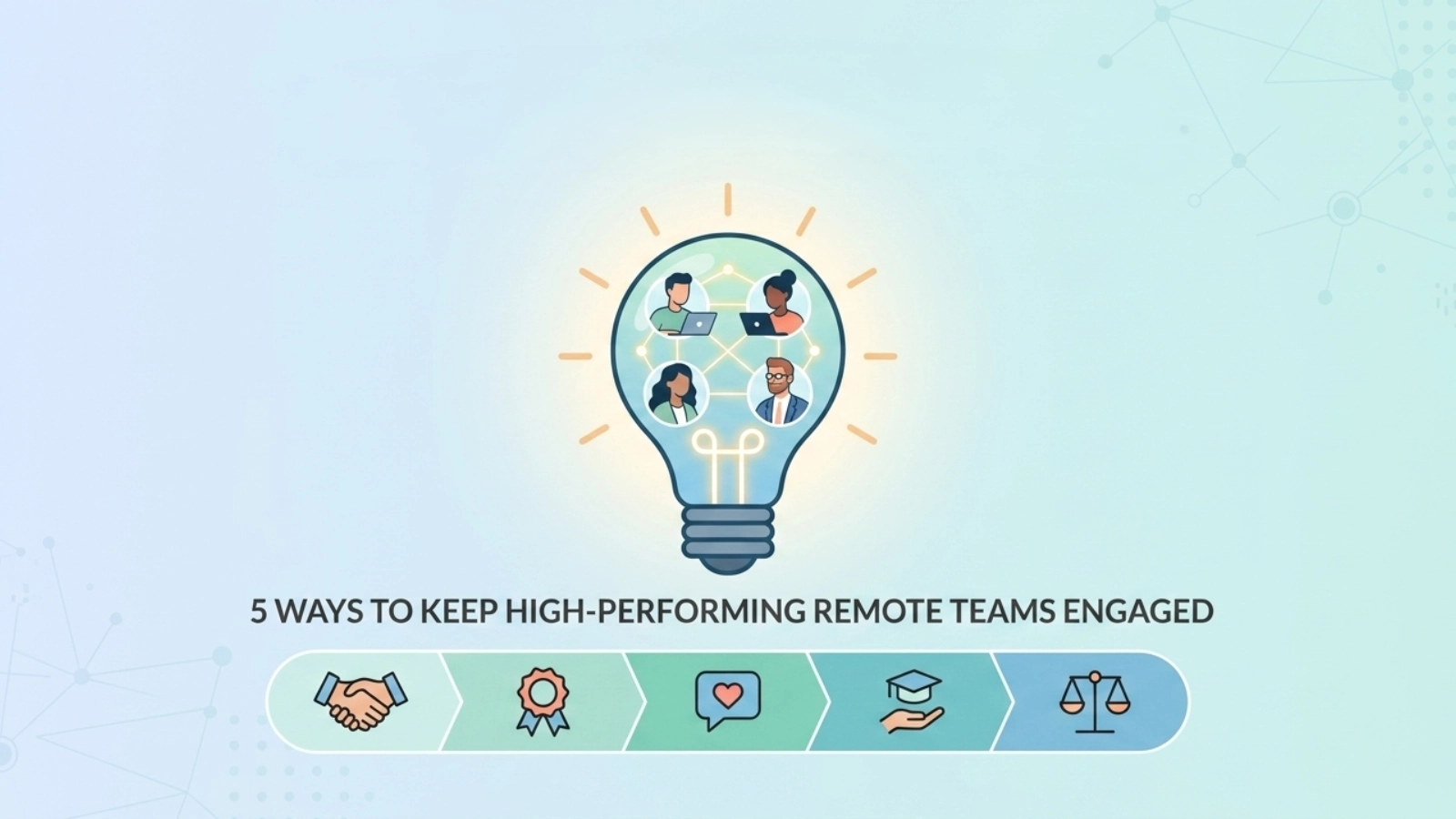
Here are five actionable ways to keep your high-performing remote teams deeply engaged.
5 Ways to Keep High-Performing Remote Teams Engaged
Shift from Micromanagement to Macro-Support
When organizations first adopt employee monitoring software, there is a temptation to use the data purely for surveillance, watching every keystroke or tracking every minute of idle time. High-performing employees will immediately recognize this and often resent it, feeling that their professional autonomy is being undermined despite their stellar results.
To keep high performers engaged, you must flip this narrative. Use your tracking software not as a tool for micromanagement, but as an instrument for macro-support.
Instead of looking for employees who aren’t working enough, use your analytics dashboard to identify employees who are working too much. If your data shows a top performer consistently logging 10-hour days or working through weekends, that is a massive red flag for impending burnout.
How to implement this:
Proactive Interventions: When you see extended active hours, reach out to the employee. Say, “I noticed on the dashboard that you’ve been putting in exceptionally long hours this week. Your output is incredible, but your well- being is our priority. Let’s look at your workload and see what we can delegate so you can log off at a reasonable time.”
Focus on Autonomy: Communicate to your top performers that you trust them. Let them know the tracking tools are there to optimize workflows and protect them from burnout, giving them the autonomy they crave while ensuring they have the support they need.
Invest in Structured, High-Value Team Building

One of the biggest mistakes companies make when trying to engage remote teams is relying on “mandatory fun.” We have all been subject to the forced, awkward virtual happy hour where 15 people stare at each other on a screen, waiting for someone else to speak. High-performing employees, who are highly protective of their time, often view these unstructured social events as a waste of energy and a distraction from their actual work or personal lives.
To truly engage top talent, you need to provide team-building experiences that offer genuine value, foster authentic connection, and challenge them in new, exciting ways.
This is where professional facilitation makes a profound difference. Partnering with a dedicated team-building agency ensures that your engagement initiatives are not just superficial time-fillers, but strategic investments in team cohesion. If you are looking for a place to start, consider a specialized provider like Jambar Team Building. With over a decade of experience, they have successfully designed and facilitated tailored programs for high- profile global companies like Google, Maersk, Samsung, and Toyota. Rather than resorting to another generic Zoom trivia game, bringing in seasoned facilitators allows your team to participate in customized leadership challenges, collaborative problem-solving exercises, and in-depth personality profiling workshops.
How to implement this:
Quality over Quantity: Ditch the weekly 30-minute forced chats. Instead, invest in monthly or quarterly high- impact sessions.
Purpose-Driven Activities: Work with specialized providers to select activities that align with your team’s specific current challenges, whether that is improving cross-departmental communication, building trust after a restructuring, or simply celebrating a massive project win with an immersive, professionally hosted experience.
Create Pathways for Asynchronous Collaboration and Socializing
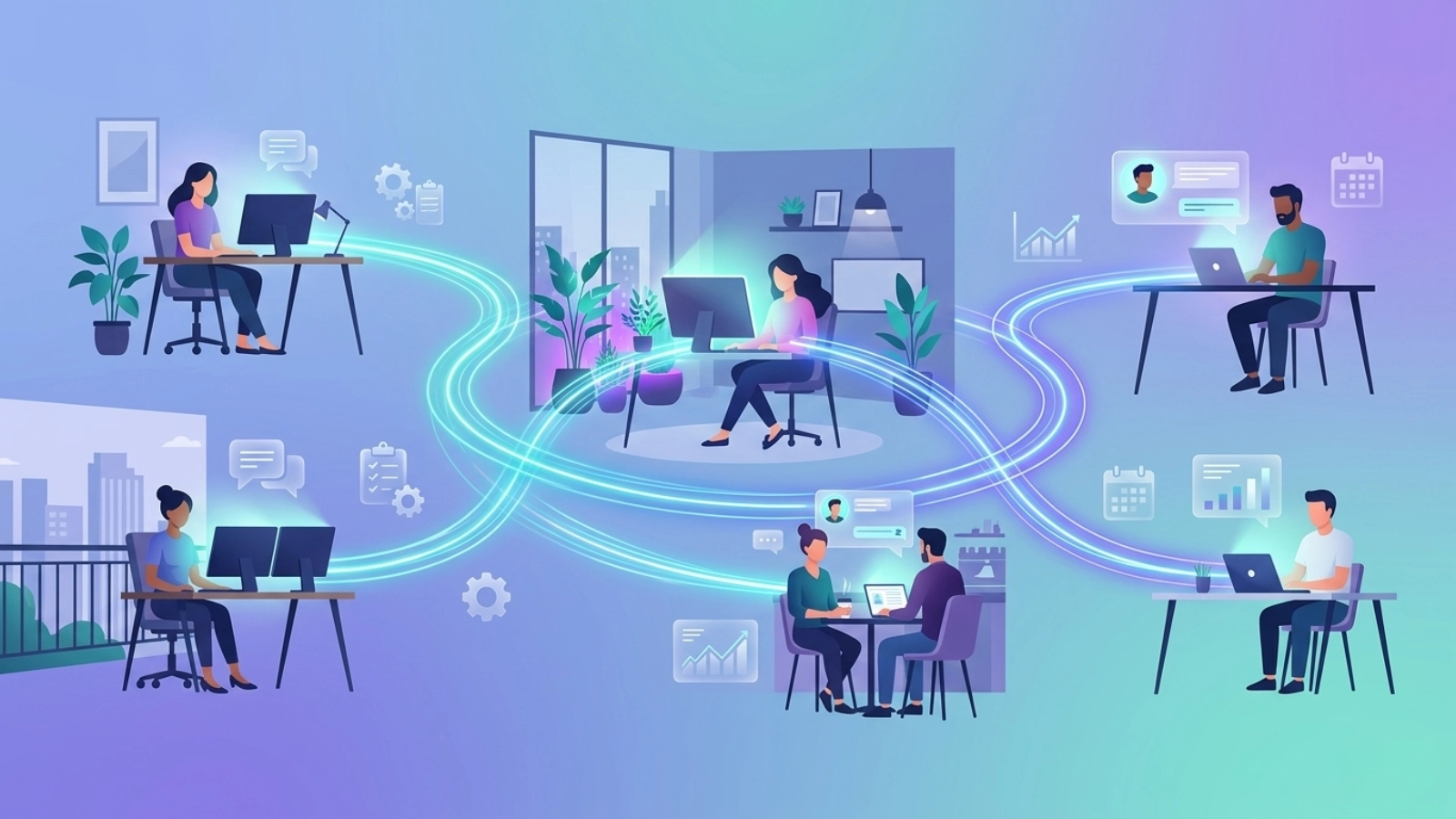
High performers are deeply protective of their “flow state”, the period of deep, uninterrupted concentration where their best work happens. Constant pings, mandatory check-in meetings, and synchronous socializing can shatter this focus, leading to frustration.
However, connection is still vital. The solution is to build robust pathways for asynchronous collaboration and socializing. You need to recreate the serendipitous “watercooler moments” of the physical office in a digital format that employees can engage with on their own terms, and on their own time schedules.
How to implement this:
Non-Work Communication Channels: Create dedicated spaces in your messaging apps (like Slack or Microsoft Teams) that are strictly for non-work interactions. Channels dedicated to #pet-photos, #weekend-hobbies, or #book-recommendations allow employees to share their lives when they take a break, without interrupting others.
Asynchronous Video Updates: Encourage the use of tools like Loom for team updates instead of holding a live meeting. A manager can record a quick video celebrating a team win, and employees can watch and react to it when it naturally fits into their workflow.
Prioritize Continuous Learning and Leadership Development

If a high-performing employee feels they have hit a ceiling in their current role, they will start looking for the exit. Top-tier talent is inherently driven by growth, mastery, and the acquisition of new skills. If your organization does not provide a clear pathway for professional development, engagement will inevitably plummet.
In a remote setting, employees can easily feel “out of sight, out of mind” when it comes to promotions and leadership training. You must be aggressively proactive in offering these opportunities.
How to implement this:
Dedicated Learning Stipends: Provide employees with a budget they can use for online courses, industry conferences, or professional certifications.
Mentorship Programs: Pair your high performers with senior leadership for regular virtual mentoring sessions. This not only aids in skill development but also makes the employee feel deeply valued and connected to the company’s long-term vision.
Peer-Led Workshops: Invite your top performers to host “lunch and learn” sessions (or asynchronous masterclasses) where they can teach a specific skill or share insights with the rest of the team. This positions them as leaders and validates their expertise.
Recognize and Reward Outcomes, Not Just Active Hours

While software can track the exact number of minutes an employee spends active in an application, true engagement comes from recognizing the impact of that time.
If an employee figures out a highly efficient way to complete a task in four hours that used to take eight, they should be rewarded for their innovation, not penalized for having lower “active time” on a dashboard. High performers thrive in environments that operate on a results-oriented work environment (ROWE).
Recognition is one of the most powerful drivers of employee engagement. When an employee feels seen and appreciated for the specific value they bring to the table, their emotional commitment to the company skyrockets.
How to implement this:
Tie Data to Praise: Use your workforce analytics to inform your recognition. If you see via your tracking software that a team rallied hard and put in focused effort to meet a deadline, publicly acknowledge that specific effort in the next all-hands meeting.
Personalized Rewards: Move beyond generic gift cards. Take the time to understand what your high performers actually value. For one employee, it might be an extra paid day off; for another, it might be upgraded home office equipment; for someone else, it might be a public shoutout from the CEO.
Integrating Productivity Tools with a Human-Centric Culture
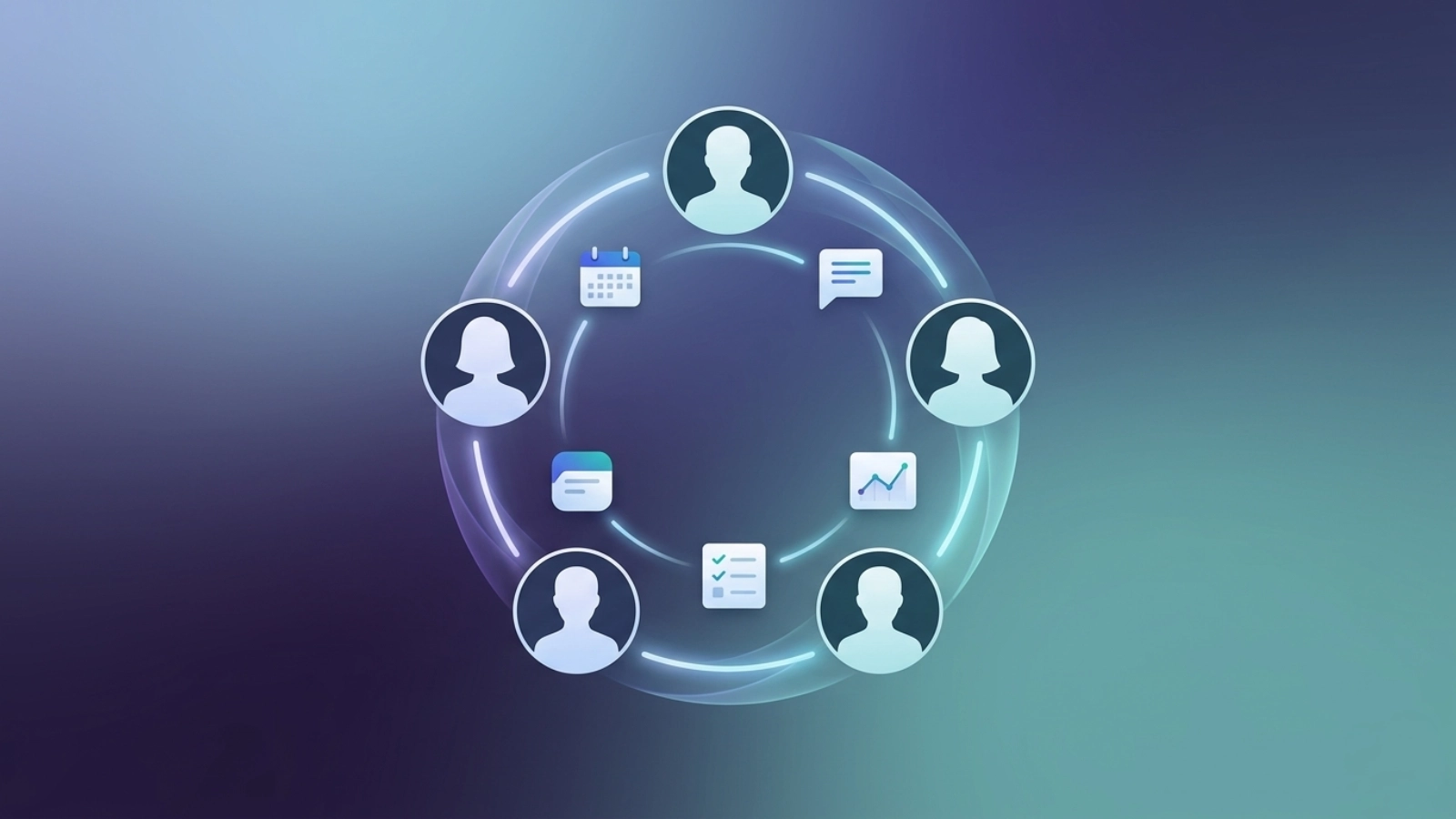
The future of successful remote work lies in the delicate balance between technological oversight and human empathy. Tools like EmpMonitor are absolutely indispensable for maintaining operational visibility, securing company data, and ensuring that distributed teams are working efficiently. They provide the baseline data that keeps the business running.
However, that data should be the starting point of your management strategy, not the finish line.
A high productivity score is not a guarantee of high morale. To build a truly resilient remote workforce, you must view your employees holistically. They are not just data points on a screen; they are complex individuals who require trust, connection, and opportunities for growth.
When you combine the hard metrics of workforce management software with the soft skills of empathetic leadership, investing in meaningful development, prioritizing mental health, and facilitating expert-led engagements, you create an unstoppable workplace culture.
High Performance Is A Marathon, Not A Sprint
Keeping your top talent engaged in a remote setting requires continuous, intentional effort. It is not something that can be solved with a single software integration or a one-off virtual party. It requires a fundamental shift in how leadership views its role.
Your job is no longer just to monitor work; your job is to remove roadblocks, cultivate a sense of belonging, and provide the resources your team needs to thrive both professionally and personally.
By actively shifting from micromanagement to macro-support, investing in high-quality team building, promoting asynchronous connection, fostering continuous learning, and celebrating true outcomes, you can ensure that your high-performing remote team doesn’t just survive the remote work era, but actively flourishes within it. Focus on building the team, and the metrics will naturally follow.