



The same late-night ride through the city could feel like a relief in acoustic folk, a rush in synth pop, or an escape in garage rock. Try all three styles with the same story, point of view, and refrain. Listen for how the change in style affects the feeling of the ride.
1. AI Song


Style Controls
AISong’s AI Song Generator offers a description field and genre, mood, voice, and tempo tags. For this experiment the genre and instrumentation are the main variables. A fixed vocal perspective makes the versions easier to compare.
Running the Three Style Comparison
Begin every prompt with the same sentence about the ride and include the same short refrain. Change the guitar, synth, or drum language between passes. Listen at similar volumes so a denser arrangement does not win by sounding louder.
Advantages for Listening Tests
Save the exact tags and lyric inputs alongside each take. Reuse those settings to generate a fresh candidate when you want another pass in the same direction.
2. MakeSong
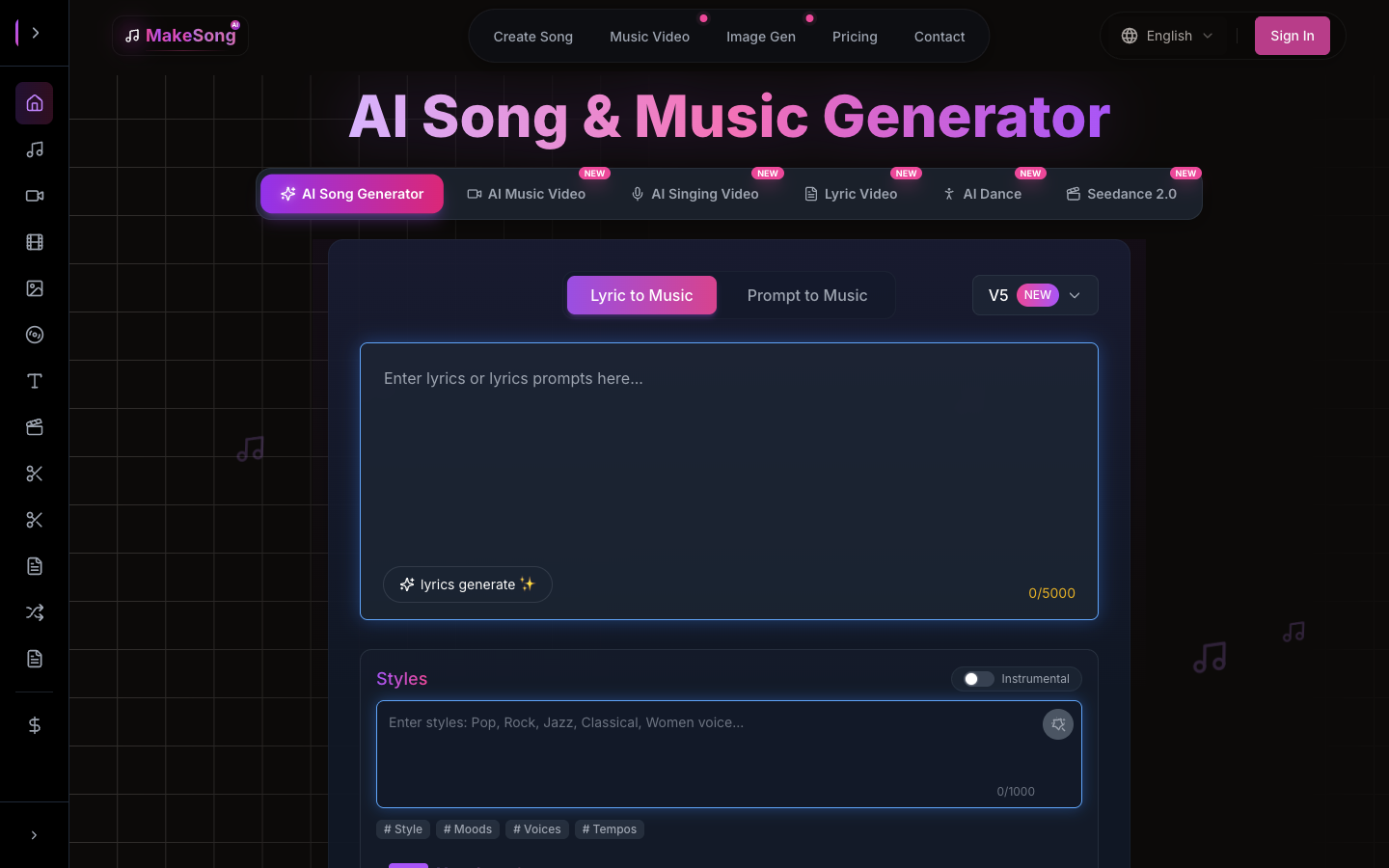
Style Controls
MakeSong’s AI Song Generator separates the musical description from style choices and offers both lyric and prompt modes. That lets you keep a fixed lyric while asking for different production treatments.
Running the Three Style Comparison
Use a four-line hook for all three versions. Set the folk example around fingerpicked guitar, the synth pop example around a repeating keyboard figure, and the garage rock example around a straight drum pulse. Listen for the word that receives the strongest accent in each version.
Advantages for Listening Tests
This is a useful way to hear whether arrangement alone changes how the refrain reads. A sparse version may reveal the story, while a driving rhythm may make the same line easier to remember.
3. Suno

Style Controls
Suno’s Simple mode accepts a song description, and Custom mode can keep supplied lyrics in place while you change the style brief. Its prompt reuse workflow helps you reopen a previous setup for another pass.
Running the Three Style Comparison
Keep the selected version as a baseline and reuse its prompt twice. Change the genre and core instruments while retaining the same lyric. Compare the first chorus in each version before judging the rest of the arrangement.
Advantages for Listening Tests
Keep the story brief and refrain constant across all three passes. If the project will be released commercially, check the rights for the take you select. Suno’s free plan is limited to noncommercial use.
4. Songer
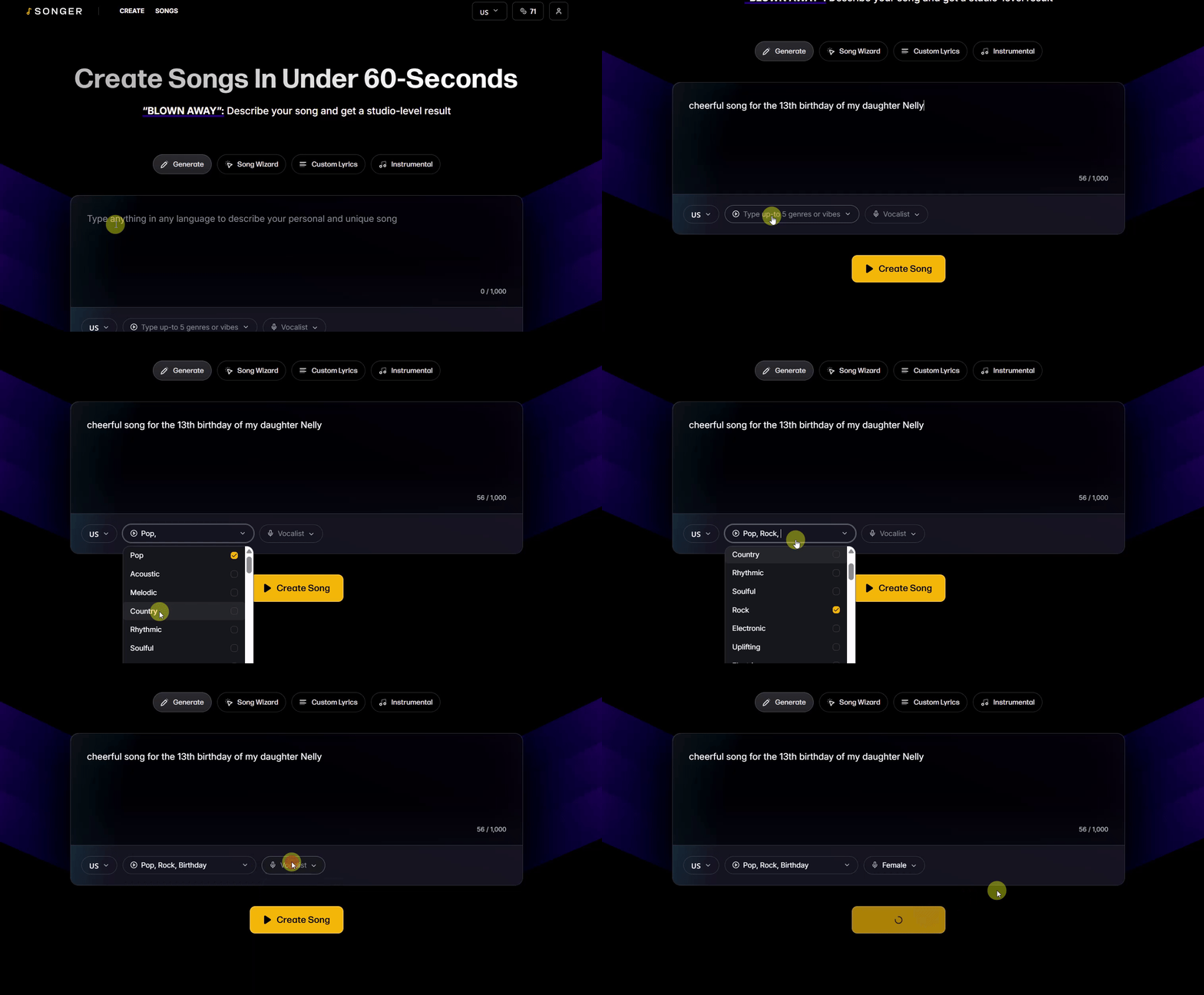

Style Controls
Songer accepts a plain-language idea and genre cues. In its description workflow the generated words can vary, so the comparison is most meaningful when the story and refrain are easy to recognize.
Running the Three Style Comparison
Use one vivid image, such as a red traffic light reflected in a wet wheel rim, in all three prompts. Change the style label and listen to the previews. Record whether each version kept that image or substituted a more generic scene.
Advantages for Listening Tests
Songer helps test whether the story works in different styles. To supply the exact refrain, use Custom Lyrics on an upgraded plan and verify the sung result.
5. Udio
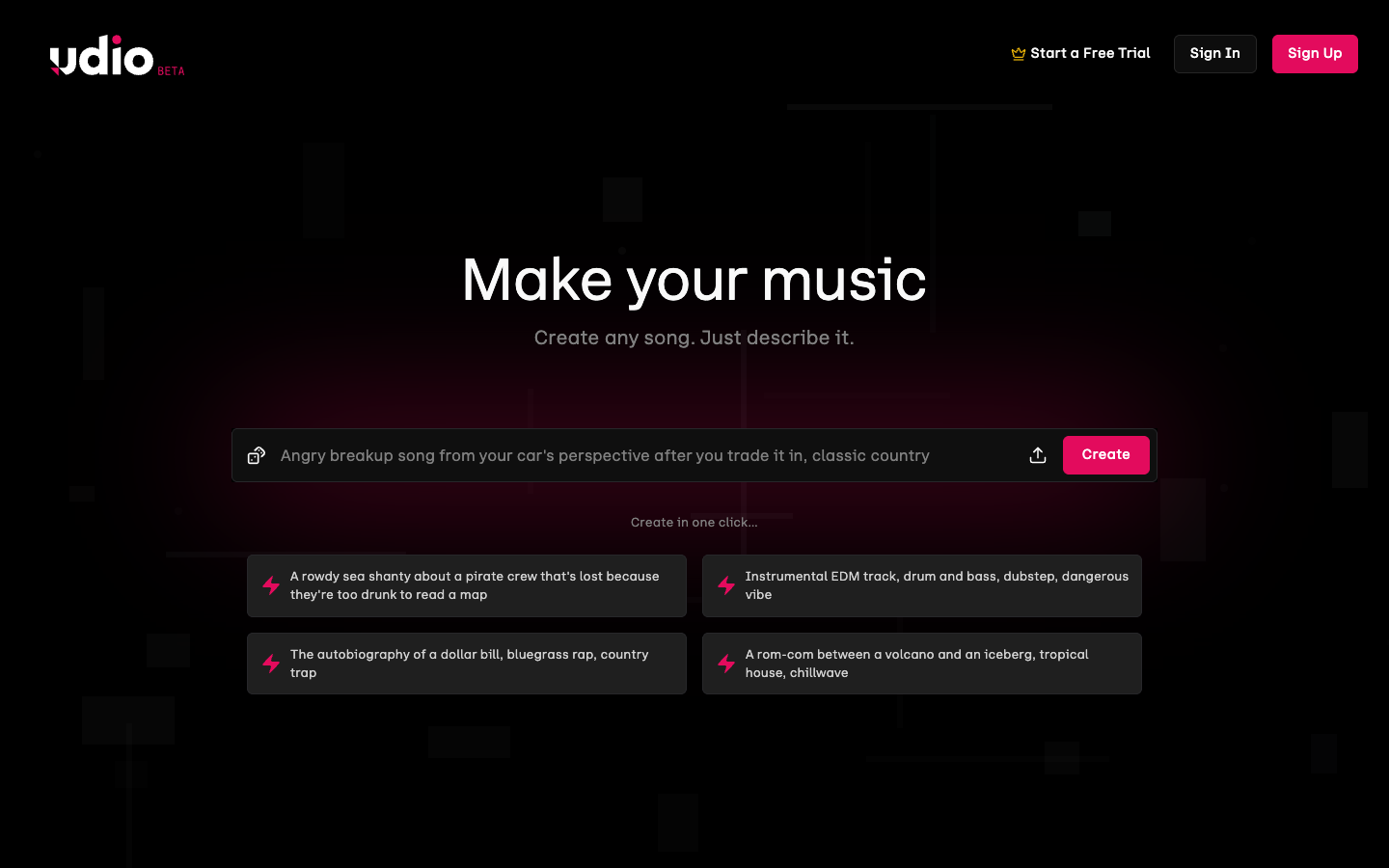
Style Controls
Udio lets you describe a song in a prompt, add genre and mood direction, and enter your own words in its lyrics editor. A brief first section is enough to hear differences in rhythm and diction.
Running the Three Style Comparison
Write one musical sentence per style. Give the folk singer space between lines, set a measured pulse for synth pop, and ask for short phrases over the garage groove. Compare which delivery makes the refrain clear on first listen.
Advantages for Listening Tests
A section-first trial makes it possible to choose a direction before expanding the track. Spend more time on the style that gives the words an intelligible rhythmic shape.
Choosing Your Workflow
Play the three excerpts without the genre labels and ask one listener to describe the mood in a sentence. Choose the version whose description is closest to the intended scene. Once you pick a genre, run a second round to refine tempo or vocal delivery within it.