
Great teams don’t happen by chance—they’re built on data. The global market for team-focused personality assessment tools is projected to reach US$10 billion in 2024, a 12 percent year-over-year jump. As platforms mature, they can map team dynamics in minutes, push coaching tips straight to Slack, and sync with your HRIS so you see ROI—not just vibes.
In this guide, you’ll compare 12 leading tools, learn exactly how we scored them, and spot the best fit for a five-person startup or a global enterprise racing to scale.
How We Evaluated The Tools?
HR teams told us they care about two things: evidence and practicality. In a 2022 benchmark study by Criteria Corp, 80 percent of hiring professionals said they use personality assessment tools or behavioral tests, and 92 percent reported that assessments improve the quality of hire. That feedback guided our scoring model.
Weighted Rubric
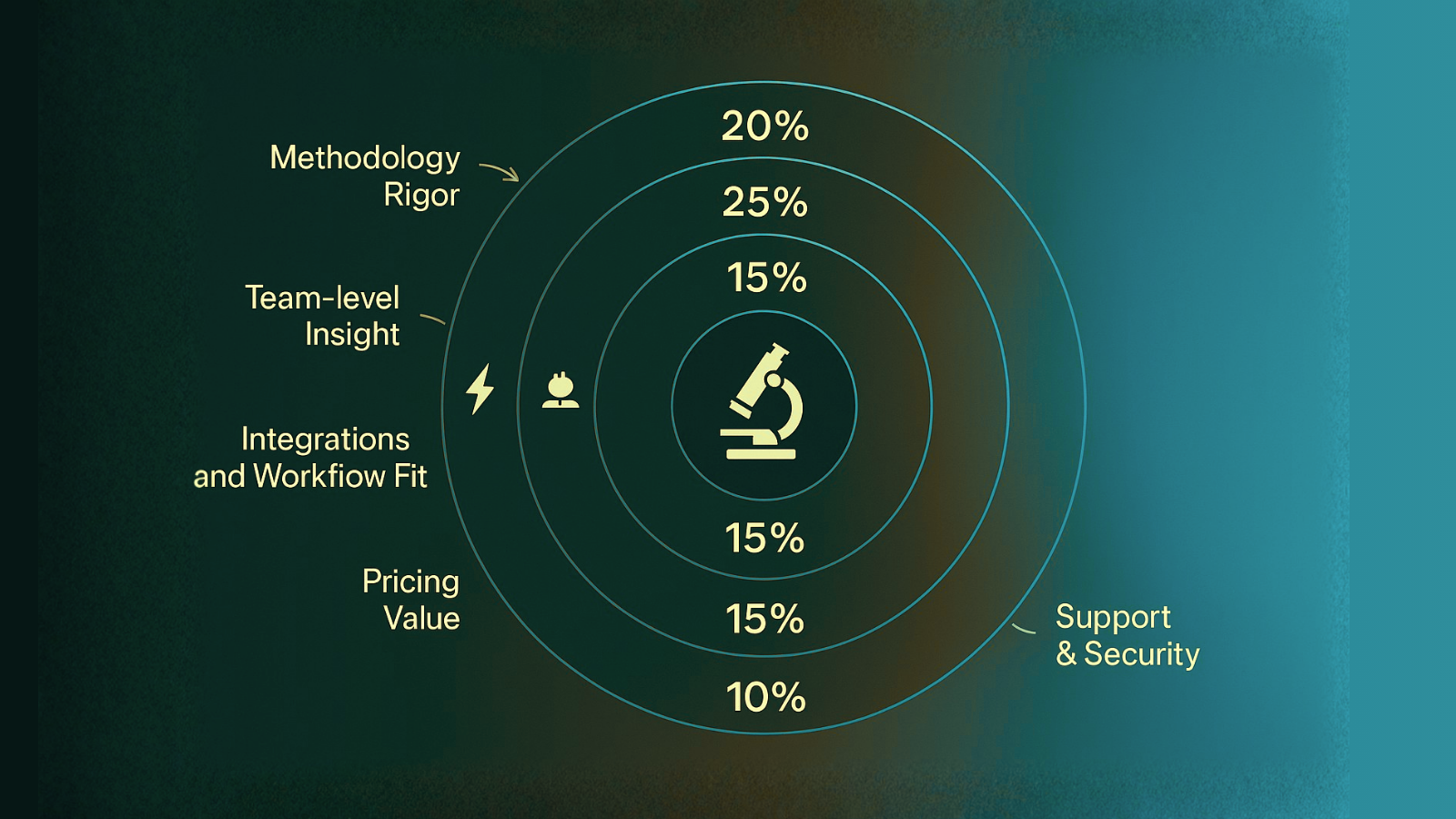

- Methodology rigor: 25 percent
- Team-level insight: 20 percent
- Ease of use and adoption: 15 percent
- Integrations and workflow fit: 15 percent
- Pricing value: 15 percent
- Support and security: 10 percent
A tool anchored in peer-reviewed research topped the rigor column, but if it required a certified facilitator every time, it lost points on ease and value. Quick, self-serve apps earned usability credit yet still had to prove their science.
We also set non-negotiables: each platform had to provide a live team dashboard, English-language support, and clear pricing for a ten-person pilot. Anything locked behind “contact sales” or limited to individual reports was excluded.
Finally, we pressure-tested roll-out reality. Could a busy manager launch in under a week, and would insights appear where the team already works—email, project boards, or chat? A “no” shaved off points.
The outcome is a ranking that balances hard psychometrics with everyday workflow demands. If you’ve ever tried choosing a Personality Assessment Tool, you know how different the options can feel in practice. Up next, you’ll see how each platform scored and which one matches your playbook.
Quick Comparison At A Glance:
1. TeamDynamics
Overview
TeamDynamics starts with the team, not the individual. Each member completes a short, research-backed assessment that takes just a few minutes per person. Results roll up into one of 16 TeamDynamics types, mapping how the group decides, shares information, and gets work done. Once the final response is submitted, a dynamic, shareable report appears, showing collective habits and each member’s CoDynamics profile—how their style aligns or diverges from the team
Why Teams Adopt It
- Instant feedback: dashboards generate automatically—no facilitators, no waiting.
- Actionable nudges: insights come with behavioral tips (e.g., “try a silent brainstorm before sprint retro”).
- Friction-free rollout: fully self-serve, no integrations or IT setup required.
Pricing & Fit
- Solo: $29 (one-time)
- Teams 2–20: $39 per user (one-time)
Questions Regarding TeamDynamics - Enterprise / Consultant tiers: contact sales
- Free trial: sample mini-assessment available
Best for distributed or newly merged squads needing quick alignment. Built for modern work—tech, consulting, product, ops—it translates raw behavior data into Monday-morning habits, fast.
2. HIGH5 For Teams
HIGH5 focuses on helping teams understand how different personalities contribute to collaboration, communication, and problem-solving. Each team member completes a short, research-backed assessment that identifies their core strengths and behavioral tendencies at work. Results are presented in clear individual and team-level reports, showing how different profiles interact and where friction or synergy is most likely to occur. The personality test for teams is designed to make team dynamics visible and easier to manage in day-to-day work.
Why Teams Adopt It
- Clear team insights: highlights how different personalities influence teamwork and communication.
- Strength-based perspective: shifts focus from weaknesses to what each person naturally brings to the team.
- Fast and accessible: online, quick to complete, and easy to roll out without facilitators or complex setup.
Pricing & Fit
- Individual and team plans available
- Scalable options for growing teams and organizations
- Suitable for managers, HR teams, and coaches
3. Myers-Briggs Type Indicator (MBTI)
Why teams still reach for it
Few workplace tools are more recognizable: 88 percent of Fortune 500 companies have used the MBTI assessment, and more than two million people complete it each year, according to The Myers-Briggs Company. Familiarity shortens the learning curve, and most teammates already know their four-letter “type,” so reflection starts right away.
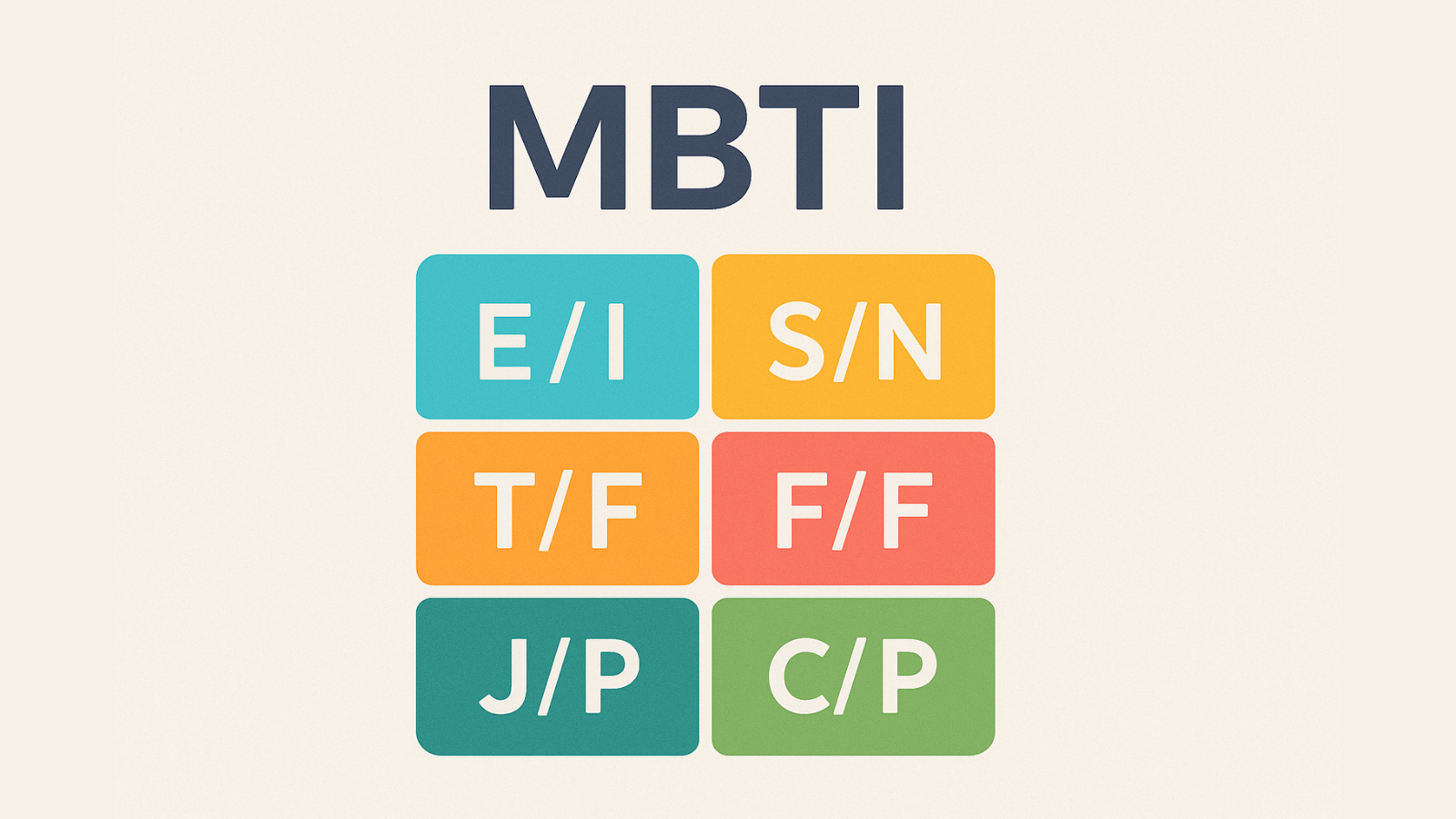
The Teams bundle delivers a 93-item questionnaire that sorts each person along four preference pairs: Extraversion–Introversion, Sensing–Intuition, Thinking–Feeling, Judging–Perceiving. Results land in a shared grid, making it obvious if your squad skews detail-loving ISTJ or vision-first ENFP. Within an hour, you can debrief, agree on simple norms (introverts get agendas a day early, feelers shape post-mortems), and move on.
Strengths, watch-outs, and cost
MBTI’s upside is engagement: because scores describe preferences, not abilities, nobody feels labelled “good” or “bad,” a framing linked to higher psychological safety in team studies. Critics, however, note limited predictive validity and score stability, so use it as a mirror, not a microscope.
Pricing for MBTIonline Teams is $99.95 per participant and includes the assessment, digital grid, and self-paced modules, so no facilitator is required. Volume discounts apply, but lighter tools—such as the Enneagram—cost less.
When does MBTI shine?
- New teams that need a quick bonding exercise
- Large companies where many employees already know their type
- Workshops focused on empathy and communication rather than hard analytics
For hiring or deep leadership coaching, pair MBTI with a more research-heavy instrument. If you need a shared language by lunchtime, it remains a proven classic.
4. CliftonStrengths (StrengthsFinder)
Revealing natural talent for everyday execution
CliftonStrengths pinpoints what people do best instead of grading what they lack. The 177-item assessment (about 35–40 minutes) ranks 34 talent themes such as Strategic, Learner, and Achiever. When a team lays those themes side by side, gaps and overlaps become clear: marketing may overflow with Ideation yet lack Discipline, while operations might excel at Execution but need more big-picture Strategists.
Teams use that map to reassign tasks, design stretch projects, and set up peer coaching. A 2019 meta-analysis of 49,495 business units by Gallup found that strengths-based development lifts employee engagement by 9–15 percent and raises profit up to 29 percent.
Pricing and rollout
- Top 5 report: $24.99 per person
- Full 34 report: $59.99 per person
Most teams start with Top 5, build an Excel grid to visualize coverage, then upgrade key roles for deeper coaching. Because CliftonStrengths is framework-agnostic, you can combine it with behavioral tools like DiSC or TeamDynamics without causing “framework fatigue.”
CliftonStrengths suits teams eager to shift conversations from weaknesses to wins. With nearly 21 million users worldwide, you’ll find abundant resources and certified coaches when you want to go deeper.
5. EverythingDiSC
A shared language for everyday conversations
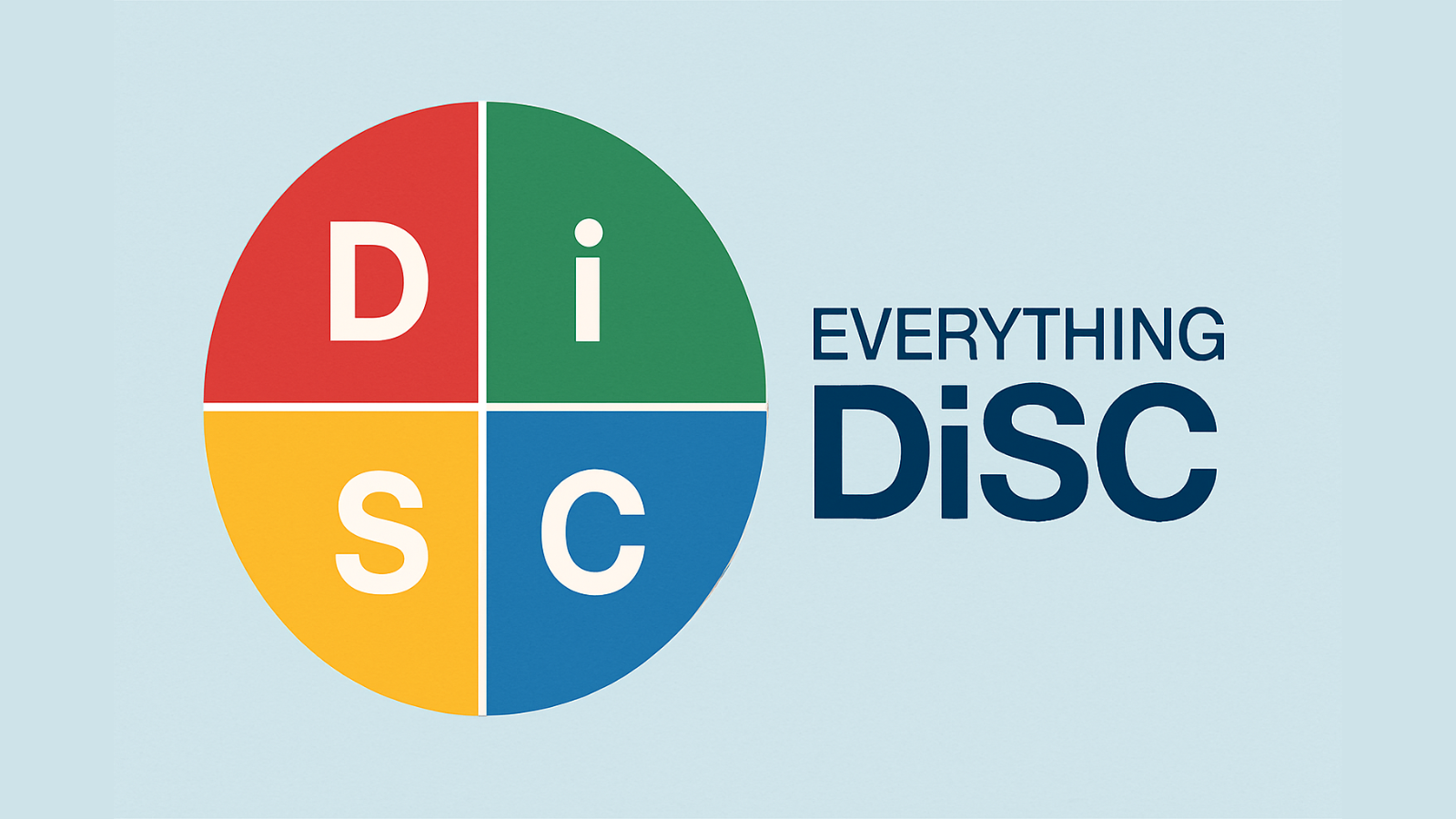
Everything DiSC distills workplace behavior into four easy-to-remember styles: Dominance, Influence, Steadiness, and Conscientiousness, all shown on a single circular map. A computer-adaptive survey takes 15–20 minutes to complete. Results roll into a composite team view, so managers can see at a glance whether discussions lean too “D” direct or “S” accommodating and adjust on the spot.
Wiley’s Catalyst platform keeps insights alive. Click any colleague’s name for tips on feedback, meetings, or email tone. Learners embrace the model quickly because it is lean enough to use the next morning yet deep enough for ongoing coaching.
Evidence and cost
- Scale: More than 10 million learners in 150,000-plus organizations worldwide, with a 97 percent global satisfaction score
- Reliability: Alpha coefficients range from .84 to .90 across the eight DiSC scales, meeting psychometric best-practice thresholds
- Price: Workplace profiles run $73–$90 per person in the United States, with volume discounts starting at 17 seats
EverythingDiSC is rarely the cheapest option, but when daily miscommunication is the bottleneck, its cost-to-behavior-change ratio is tough to match.
6. Enneagram
Going beneath behavior to core motivation
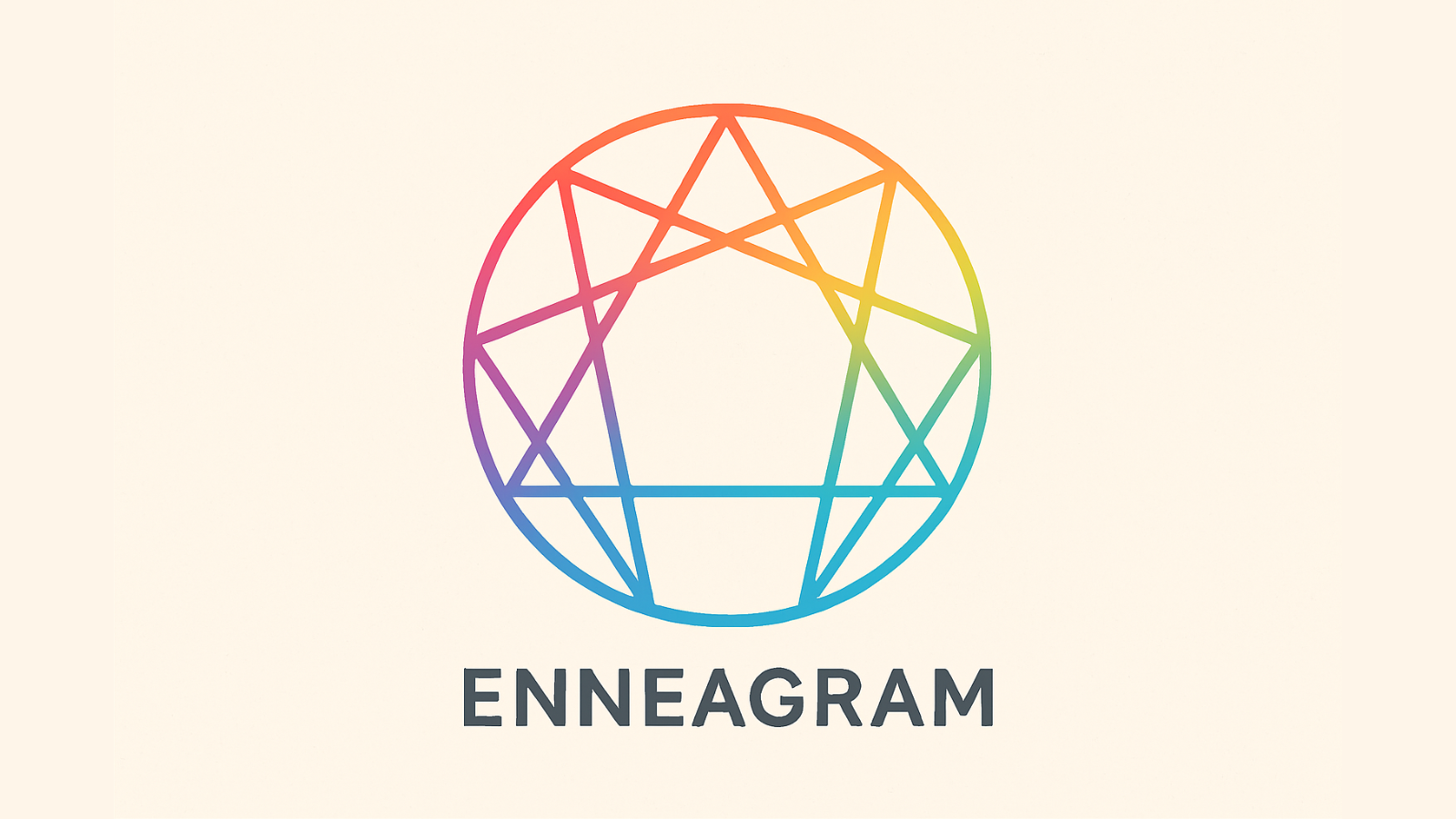
Most tools describe what teammates do; the Enneagram explores why. It groups personalities into nine motivation-based types—Reformer, Helper, Achiever, and six others—each driven by distinct hopes and fears. When a team maps its mix of types, conflict feels less personal: a Type 1 may push for order because chaos triggers anxiety, while a Type 7 cracks jokes to avoid boredom.
The most-used workplace version is the Riso-Hudson Enneagram Type Indicator (RHETI). The 144-item test takes about 40 minutes and costs $20 per person, with bulk discounts down to $10. Results appear on a simple wheel that shows headcounts by type plus “stress” and “growth” arrows, often enough to explain simmering project tensions.
Because the Enneagram invites vulnerability, it shines in settings with baseline trust—leadership retreats, culture-reset workshops, or cross-functional teams healing after a tough quarter. A self-guided debrief works: ask each member to share one core fear and one support request; these micro-confessions build psychological safety quickly.
Caveat: a 2020 systematic review found mixed evidence of reliability and validity—factor analyses rarely confirm all nine types, and support for wings or arrows is sparse. Treat the Enneagram as an empathy catalyst, not a hiring screen. Pair it with a trait-based tool if you need robust analytics. Used wisely, it turns hidden motives into open dialogue and can thaw even long-frozen dynamics.
7. Big Five personality (NEO/BFI)
When you need hard science and granular data
For evidence-based People Analytics, the Big Five (OCEAN) remains the benchmark. A seminal meta-analysis covering 162 studies found that Conscientiousness correlates .22 with overall job performance, the strongest generalizable link among personality traits. Agreeableness shows smaller but still useful ties to teamwork-rated performance (≈ .14).
Organizations choose between the 240-item NEO-PI-3 for maximum fidelity and the 60-item BFI-2 when time is tight. Both return percentile scores on Openness, Conscientiousness, Extraversion, Agreeableness, and Neuroticism. Aggregate those scores, and a clear team fingerprint appears: engineering may index high Conscientiousness and low Extraversion, while sales flips that profile. Because results are numeric, analysts can track change over time or slice by project, tenure, or location, then feed correlations into Tableau and tie personality to KPIs.
Practical considerations
- Interpretation layer. Percentiles don’t create water-cooler shorthand, so many teams pair Big Five data with friendlier language, such as DiSC for everyday chat.
- Cost. Online administrations of the NEO-PI-3 run about $3–$4 per person when you buy credit packs on PARiConnect, plus setup fees for the initial kit. Consultants often quote $30–$40 for one-off professional reports.
- Time. NEO-PI-3 takes 30–40 minutes; the NEO-FFI-3 and BFI-2 can be completed in under 15 minutes.
If you need defensible data to feed hiring models, succession planning, or safety-risk analytics, and you have the expertise to translate z-scores into plain English, the Big Five earns its keep. For teams seeking a quick shared language, pair it with a type-based tool, so the numbers don’t gather dust.
8. The Predictive Index (PI)
Talent optimization from hire to high-performing team
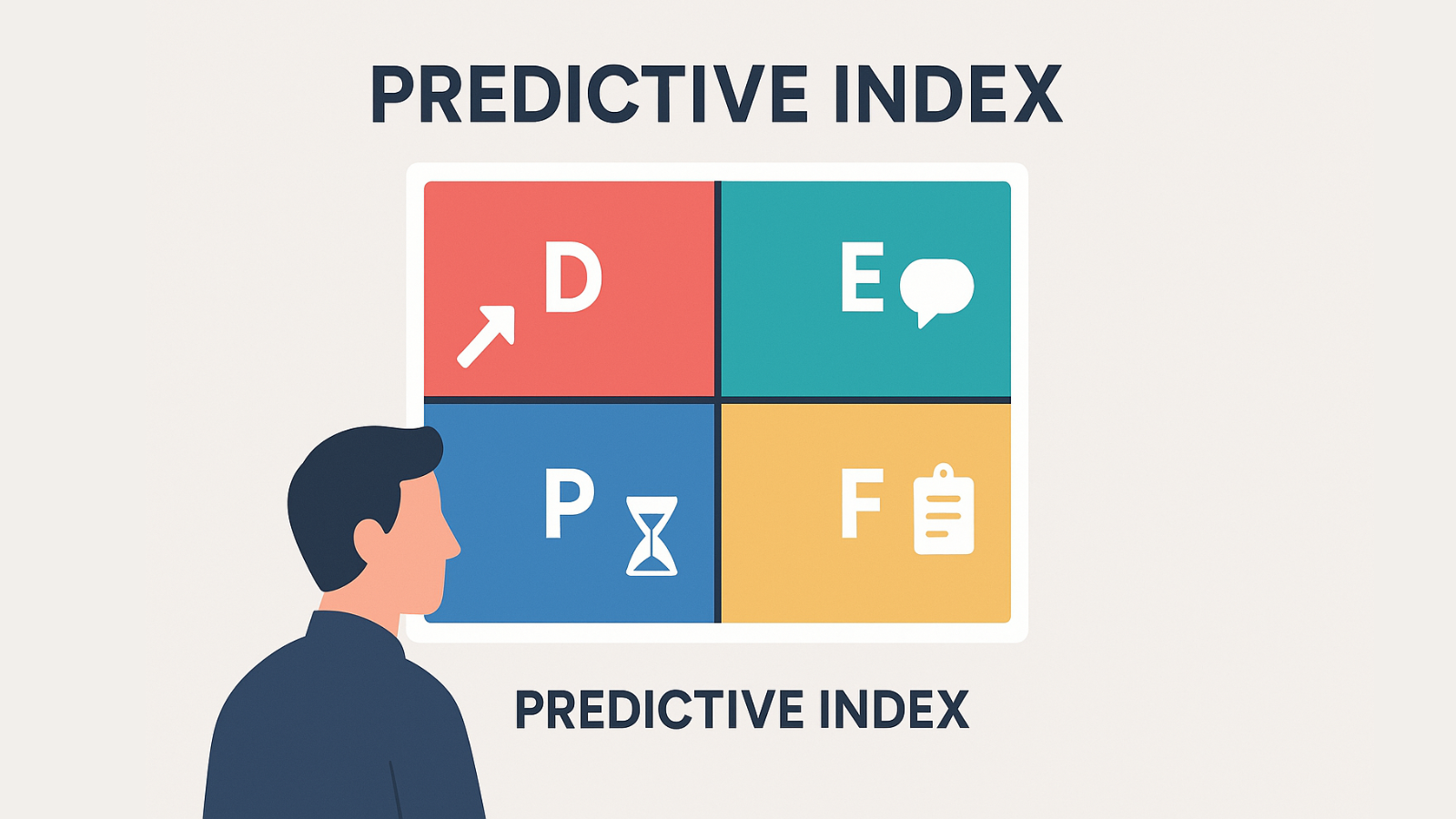
The PI Behavioral Assessment still takes about 6 minutes to complete, using an adjective checklist that scores Dominance, Extraversion, Patience, and Formality. In 2025, PI rolled those same data into Team Discovery, a dashboard that labels any group as one of nine Team Types and benchmarks that style against the goal you set (innovate, scale, stabilize, and so on).
Clarity is the immediate win: if your trio reads “Exploring Team” yet the roadmap demands process discipline, PI flags the mismatch before the first sprint slips. Leaders can tweak membership or adjust expectations without waiting for quarterly results.
Strengths, constraints, and investment math
- Scale. PI has delivered 37.5 million assessments and completed 383 validity studies over 68 years of research, with 94 percent of client studies showing significant links to job performance.
- Unlimited license. A single annual subscription covers unlimited candidate screens and employee reassessments, letting HR build one behavioral dataset for hiring, onboarding, and succession.
- Pricing. Independent marketplaces list starter plans at $4,950 per year for PI Hire or PI Inspire, while PI’s own Talent Optimization Essentials bundle starts at $9,950. Small teams needing a one-off workshop won’t recoup that cost.
- Learning curve. Extracting full value from Team Discovery usually requires certified-partner training, so budget time and fees accordingly.
Bottom line: choose PI when rapid hiring waves or multiple cross-functional teams call for a single data engine to guide every talent conversation. If you only need a quick pulse on one squad, a lighter pay-per-user tool may suit you better.
9. Hogan personality (HPI, HDS, MVPI)
The executive MRI for strengths, derailers, and culture fit
When the stakes jump from project delivery to multimillion-dollar strategy, leaders reach for Hogan. The suite combines three inventories:
- HPI – day-to-day behaviors
- HDS – “dark-side” derailers under stress
- MVPI – motives and values that shape culture
Feed those scores into the Hogan Team Report and you receive a 20-page dossier that flags what energizes the group, where it risks imploding, and which shared motives bond or fracture culture.
The report can be blunt. A leadership trio high on Bold and low on Prudence signals overconfidence and scant risk checks. A team clustered around Affiliation values may leave remote hires adrift unless onboarding doubles down on belonging cues. Surfacing these issues early prevents reputationally costly failures.
Evidence and investment
- Adoption. Hogan reports that 75 percent of Fortune 500 companies are Hogan certified, and its platform processes about one million assessments a year across 50-plus countries.
- Validation. Decades of peer-reviewed studies link HPI, HDS, and MVPI scales to leadership effectiveness; Hogan lists hundreds of criterion studies.
- Time & cost. Completing all three inventories takes ≈ 45 minutes. U.S. resellers quote $200–$350 per participant for the three reports; certified-coach debriefs add facilitation fees.
- Certification. A two-day in-person or four half-day virtual workshop is required to interpret results, adding time and travel cost.
When to use it
- Executive coaching, succession planning, or post-merger culture audits
- High-risk projects where derailers could cost millions
Skip Hogan for quick team-bonding exercises; its depth makes it powerful but heavy. Think of it like an MRI, not a fitness tracker.
10. Belbin team roles
Turning clashing styles into complementary roles
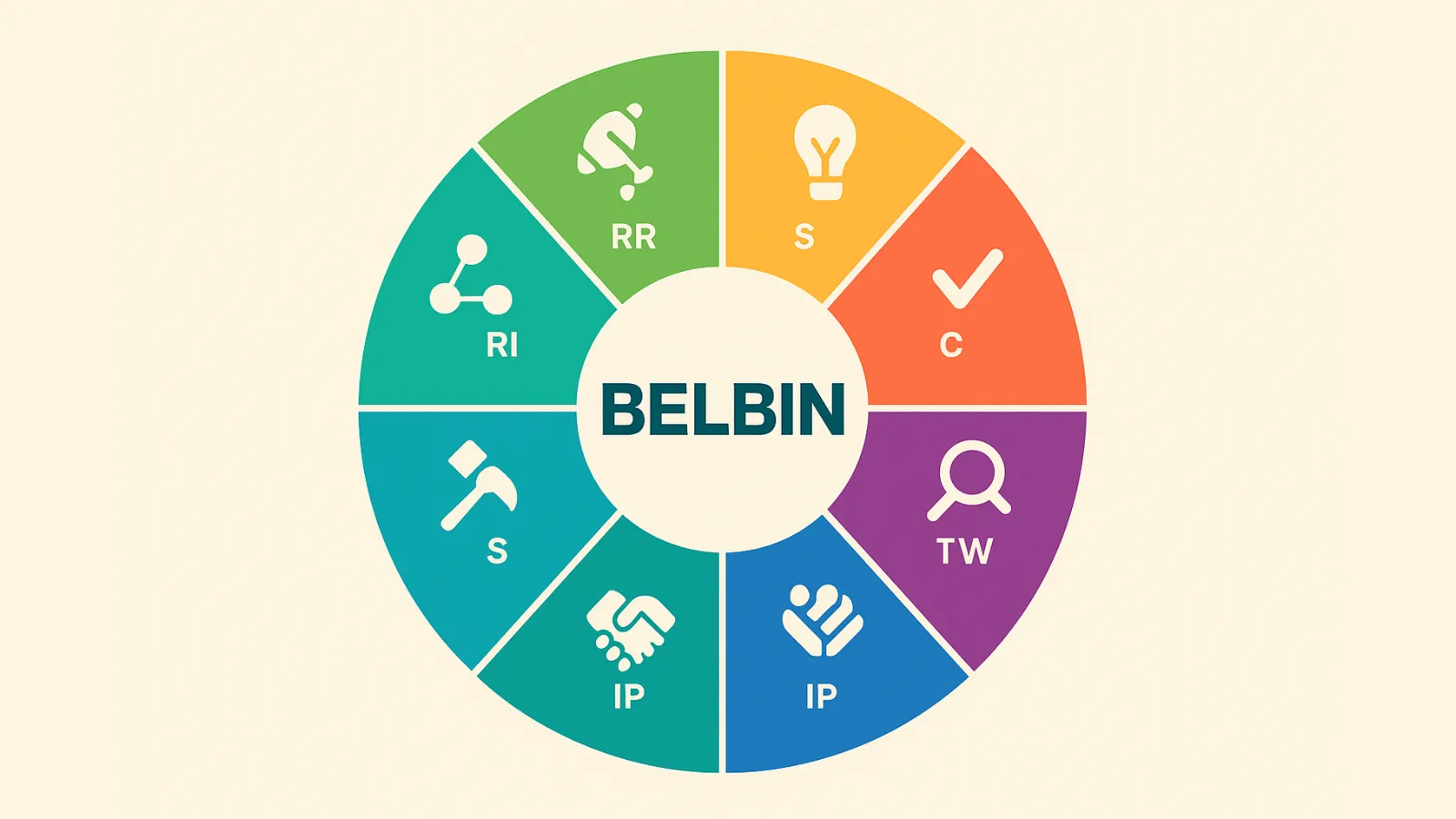
Belbin skips personality labels and focuses on contribution. A self-assessment plus optional peer feedback maps each person across nine Team Roles (from idea-sparking Plant to deadline-driven Completer Finisher). The online questionnaire takes about 20 minutes; observer surveys add five more. Overlay the roles on a project charter and gaps jump out: three Shapers and zero Monitor Evaluators equal bold moves with little risk control.
That clarity fixes a common pain: hidden role overlap that breeds finger-pointing. After a Belbin session, teams reassign tasks so strengths match deliverables—Plant owns ideation, Implementer drives execution, Coordinator keeps work flowing. One facilitated workshop can shave days off hand-off delays in the very next sprint.
Cost and best fit
- Individual report: ≈ $49 per person; team summaries bundle in for free when you buy minimum credits.
- Reports rely on perceived behavior, so you can rerun them each project cycle to watch contributions shift with context.
Belbin shines for agile squads and cross-functional tiger teams wrestling with “too many cooks.” It is less suited for diagnosing personality conflict or executive derailers (that is Hogan territory). Think of Belbin as a pragmatic roster coach that covers every base before game day.
11. Cloverleaf
A coaching layer that stitches multiple assessments together
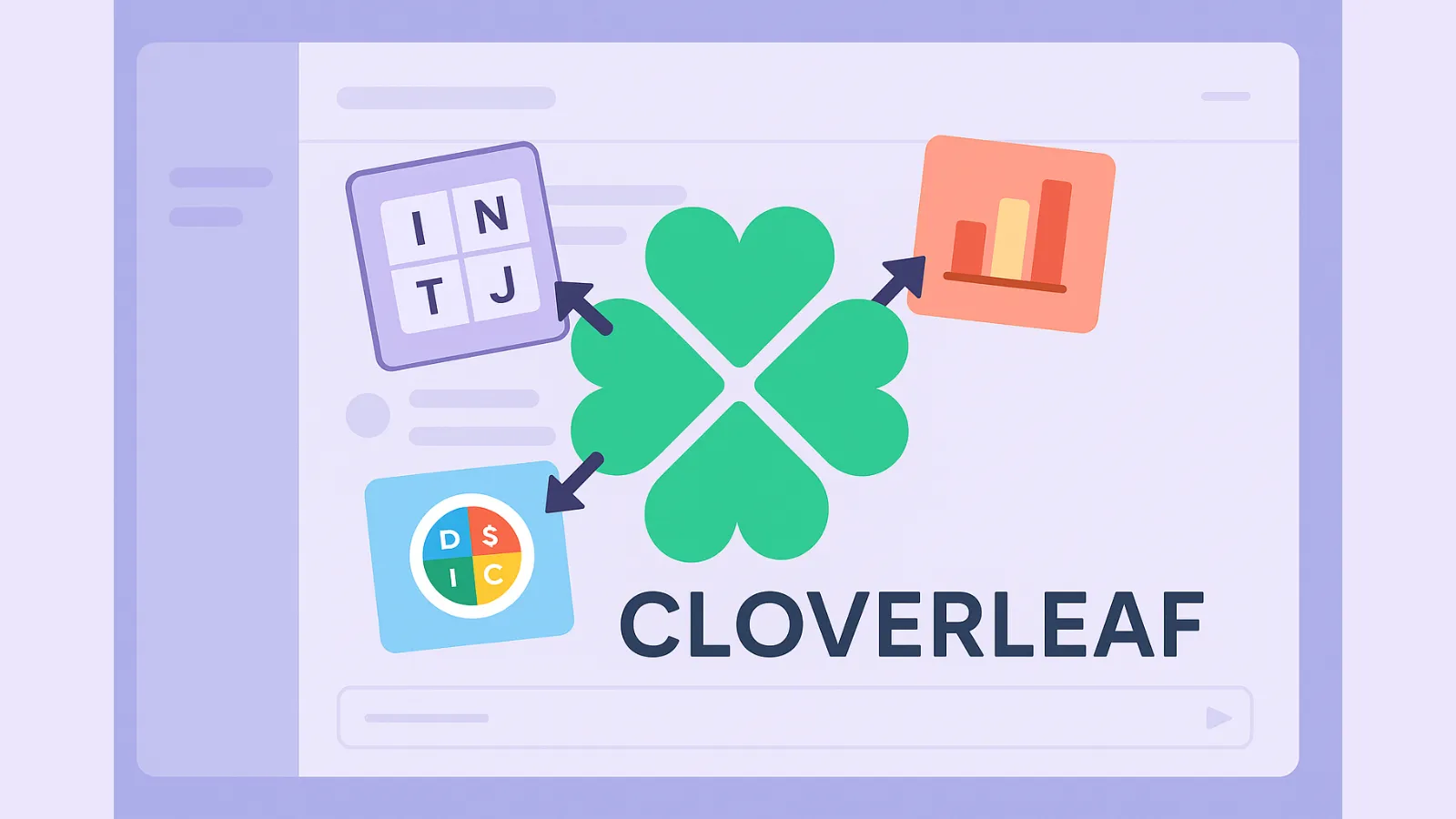
Cloverleaf isn’t a new framework; it’s a delivery engine. Import existing results (MBTI, Enneagram, CliftonStrengths, DiSC) and the platform feeds bite-size coaching tips into Slack, Microsoft Teams, calendar invites, or email. Think of it as a personal assistant that reminds you, “Ping Alex early; his high-C style likes prep time,” before you click Send.
Implementation is straightforward: upload or retake assessments, invite the team, and pick a nudge cadence. Cloverleaf’s AI scans calendar context and relationships, then delivers timely suggestions. Over weeks, those micro-interventions weave personality insight into daily habits instead of quarterly slide decks.
Cost and fit
- Pricing: Review sites list $10 per user per month on annual plans for the core Coach tier.
- Change management: Nudges only help if people read and act on them, so build onboarding sessions to explain why the alerts matter.
- Ideal for: Remote or hybrid teams that already have assessment PDFs scattered in SharePoint and want to operationalize them; organizations seeking continuous, in-workflow coaching rather than another half-day off-site.
Skip Cloverleaf if you haven’t run any assessments yet or if real-time tips would overload a notification-weary workforce. Use it to keep personality insights alive long after the workshop glow fades.
12. Crystal
AI-generated personality snapshots for instant rapport
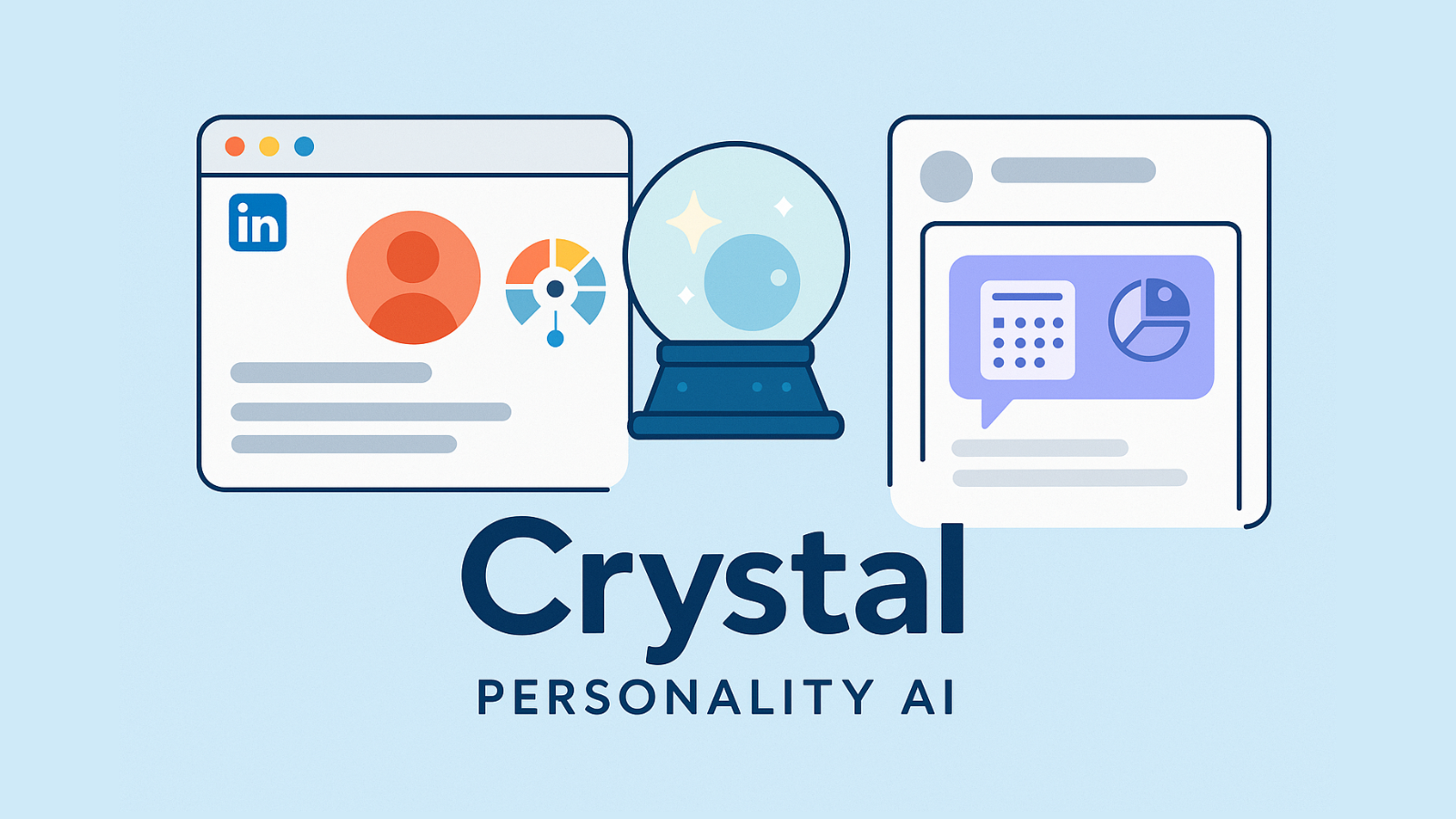
Crystal uses “Personality AI” to predict DISC-plus-Big-Five styles from public text such as LinkedIn posts, resumes, or email threads. Open a LinkedIn profile with the Chrome extension and, in seconds, Crystal suggests whether that stakeholder prefers bullet points or storytelling.
Teams can verify predictions with Crystal’s own assessment, then roll everyone into a dashboard that flags likely friction points. A side panel inside Gmail or Slack nudges you toward warmer language for high-i colleagues or a tighter agenda for D-dominant managers, driving behavior change right where communication starts.
Pricing and accuracy
- Freemium: five free profile credits
- Premium (individual): $49 per user per month, billed annually, unlocks 240 profile look-ups, the Chrome extension, calendar integration, and Slack/Gmail add-ins
- Business: custom quote for teams
Crystal reports ≈ 80 percent accuracy for AI-predicted profiles and 97 percent accuracy for verified assessment profiles. Treat predictions as hypotheses until teammates confirm their type.
Fit
Crystal shines in sales, customer success, and cross-functional outreach where meeting new personalities daily is the norm. It is less suited for deep team development that demands validated psychometrics. Use Crystal as a conversational ice breaker and email coach; pair it with a robust assessment when you need hard data for hiring or succession planning.
13. Herrmann Brain Dominance Instrument (HBDI)
Visualizing cognitive diversity in four bold colors
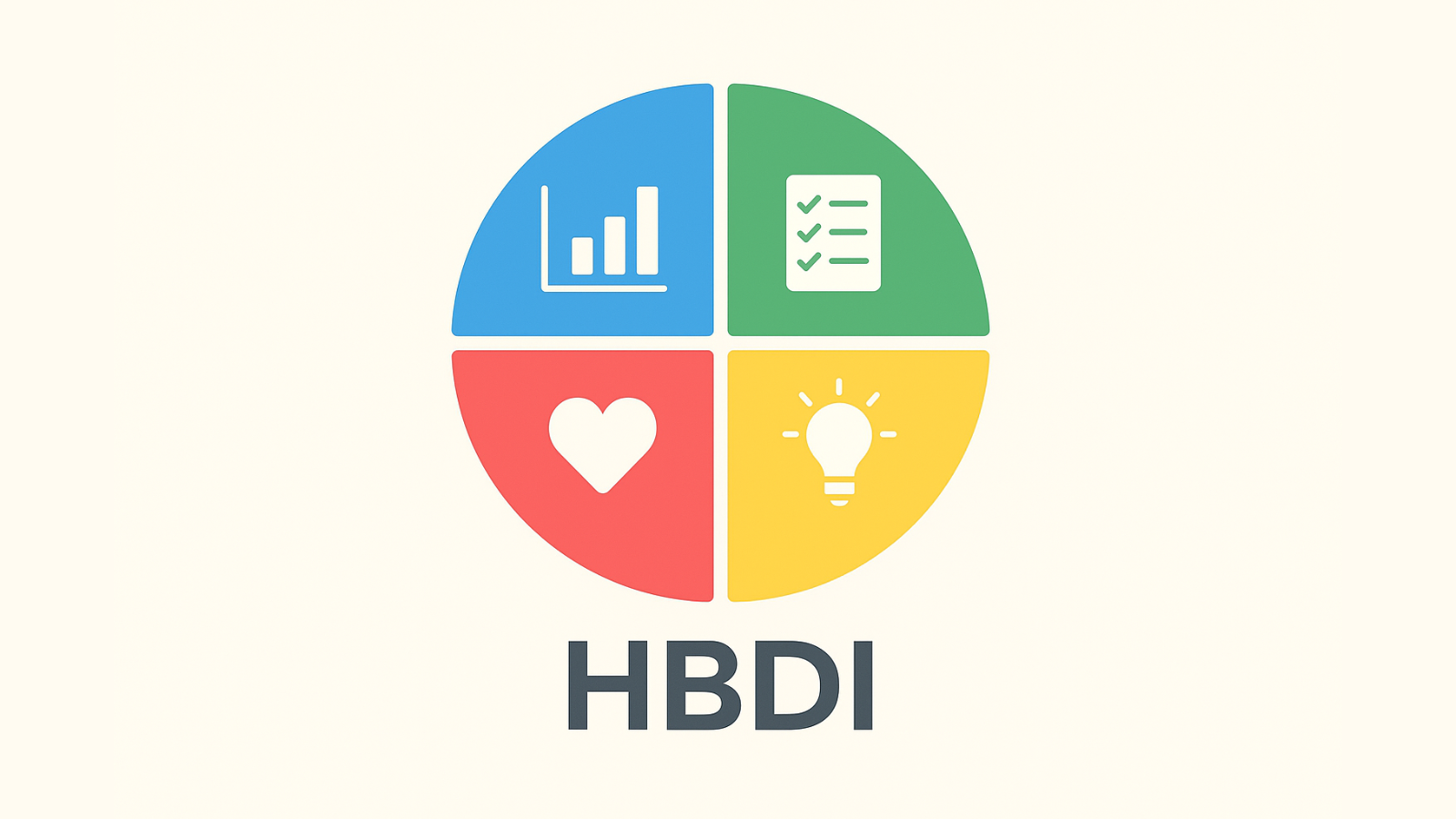
The HBDI gauges preference across four thinking modes: Analytical (blue), Practical (green), Relational (red), and Experimental (yellow). A 120-item questionnaire (≈ 15–20 minutes) outputs a quadrant map showing where each person and the team cluster.
If your product trio lights up yellow and red yet barely touches blue, you have a clue about slipping financial forecasts. Swap in a numbers-first colleague or schedule an external review, and the gap narrows.
Facilitators often run an interactive “whole-brain walk” where teammates stand in their dominant quadrant and discuss contributions. The exercise makes cognitive diversity tangible; it is a fast win for teams chasing fresh ideas without chaos.
Cost and fit
HBDI pricing is quote-based through certified partners; U.S. resellers list $95–$125 per individual report, with volume discounts for teams. While higher than some type tests, organizations reuse the same quadrant maps in project kick-offs, conflict mediation, and strategy workshops for years, stretching ROI.
Reach for HBDI when idea generation, strategic planning, or cross-functional alignment top your agenda. Skip it for day-to-day communication tweaks; tools like DiSC or Crystal handle micro-coaching better. Used at the right altitude, HBDI offers a vivid snapshot of how your team thinks, then hands you the palette to balance it.
Comparing the tools: find the right fit, fast
Start with your pain point
Every Personality Assessment Tool solves a slightly different problem, so the real key is understanding your team’s friction point first. Nearly 68 percent of employees say they waste time because of communication breakdowns in their company, according to Project.co. Before scanning feature grids, name the single issue slowing your team: chronic miscommunication, fuzzy roles, post-reorg trust gaps, or a hiring pipeline that keeps cloning the same mindset. Once the pain is clear, the shortlist writes itself.
- Everyday friction? Everything DiSC or Crystal creates a shared vocabulary—color quadrants or real-time email nudges—that can cut follow-up chains within a day.
- Role overlap? Belbin or CliftonStrengths reveal who naturally ideates, drives, or finishes, letting you rebalance work without rewriting job descriptions.
- Data-driven talent bets? Big Five and Hogan supply the psychometric power to link traits to KPIs and spot derailers before they hit headlines.
Lead with the problem, not the platform. The best tool is the one that removes tomorrow’s bottleneck, not whichever claims to be “best in class.” If you’re still undecided, revisit the comparison matrix above and match your top pain point to the highest-scoring options in that column. For a step-by-step checklist to turn those pain points into selection criteria and vendor questions, this guide to choosing team collaboration and assessment tools walks through scope, integrations, and rollout planning. If you’re sharing the guide externally with stakeholders, you can also generate a link to share your PDF for quick access and collaboration.
Turn insights into action: roll-out tips that stick
Great assessments die in dusty PDFs. No Personality Assessment Tool can help if the insights never make it into daily habits. Here’s how to keep yours alive, backed by research and real-world practice.
- Debrief within 48 hours. A meta-analysis of 46 studies found that properly structured debriefs lift team performance by 20–25 percent on average, leading to better team dynamics. Capture that gain while insights are fresh: open with the headline (“We’re a high-D, low-i group”), then ask each person for one behavior tweak they will test this week.
- Embed results where work happens. Drop the team grid in your project wiki, pin Crystal nudges in Slack, or add DiSC styles to calendar invites. When the data is two clicks away, it guides daily micro-decisions instead of quarterly off-sites.
- Pair numbers with story. If mapping CliftonStrengths moved your Ideation heavyweights to discovery calls and trimmed rework, share the before-and-after metric. Stories turn stats into social proof and pull fence-sitters in.
- Schedule a pulse check. Re-run the assessment—or at least refresh the team dashboard—every six months or after major personnel changes. Dynamics shift; your mirror should too.
- Track one hard metric. Choose a single productivity or engagement signal, benchmark it now, and revisit at 90 days. When the graph climbs, you will have evidence to fund the next phase.
Personality data is a compass, not a GPS. Calibrate it often, steer together, and your collaboration curve will keep bending upward.
What’s next: AI coaches, safer data, and bigger integrations
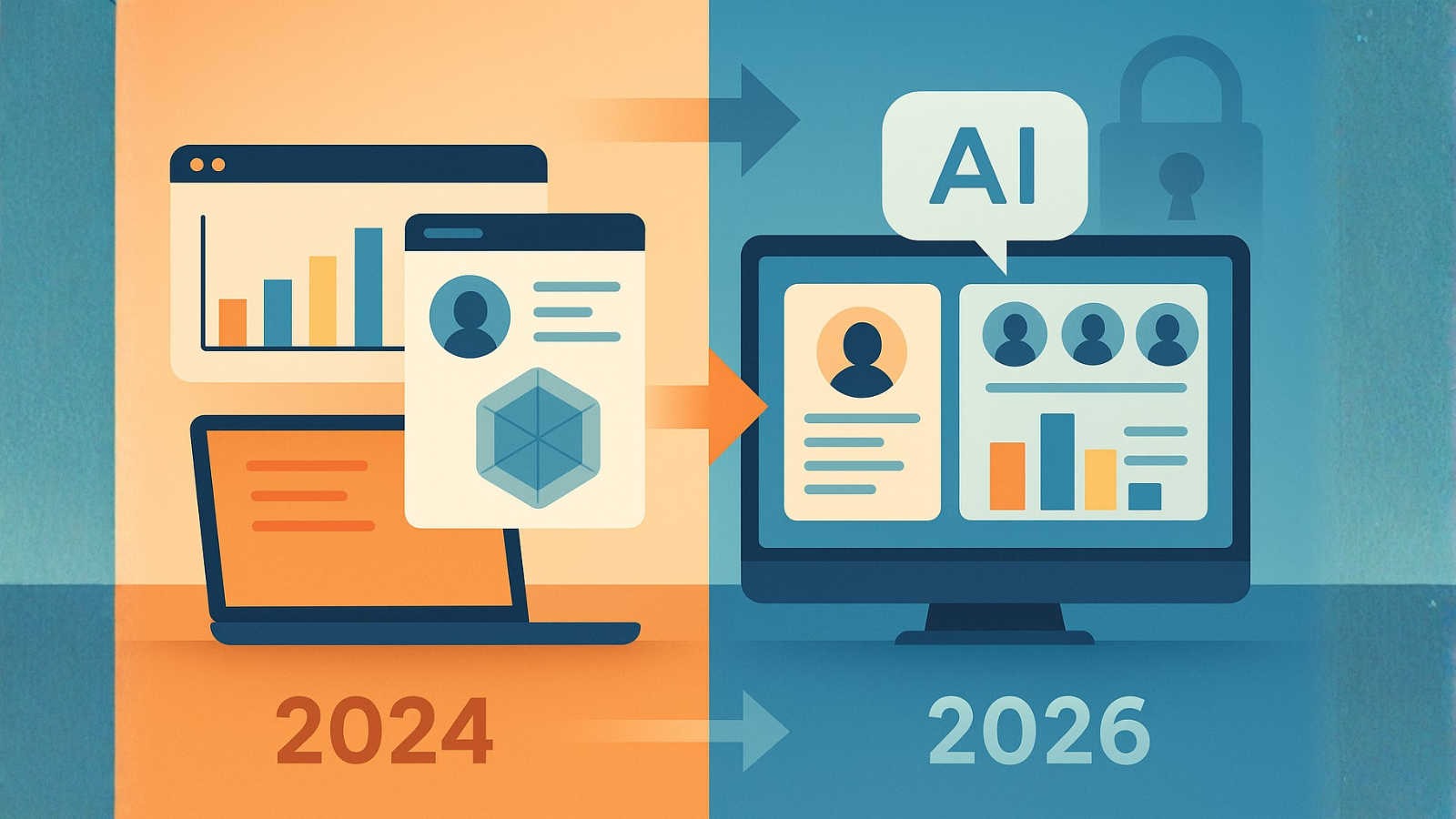
Personality tech is speeding up. Three shifts will reshape buying decisions over the next 24 months, and the signals are already visible.
- AI coaches go multimodal. Vendors are piloting video-call tone coaches that analyze speech patterns in real time and suggest follow-up questions before you unmute. Chat-based nudges will expand into voice and meeting transcription, raising both effectiveness and privacy debates.
- Security scrutiny tightens. Gartner predicts that by 2027, 60 percent of enterprise buyers will require SOC 2 Type II or ISO 27001 certification from behavioral-data vendors, up from 30 percent in 2023. Tools without rigorous audits will slide off shortlists quickly.
- Platforms converge. Engagement, performance, and personality data already share dashboards in suites like Culture Amp, which now combines Engage, Develop, and Perform modules under one analytics layer. IDC expects employee-experience platform spend to drop 12 percent annually through 2027 as buyers pick integrated stacks instead of point solutions.
Conclusion
Choose tools that publish open APIs, clear security roadmaps, and a visible integration backlog. That way, your investment evolves when AI coaches join meetings or your CISO asks for data-residency proof.
Ready to start? Pick the assessment that targets your biggest blocker, run a small pilot, and track one hard metric. Early wins build momentum, and collaboration compounds. Your future self will thank you for giving the team a reliable mirror before the next marathon.