


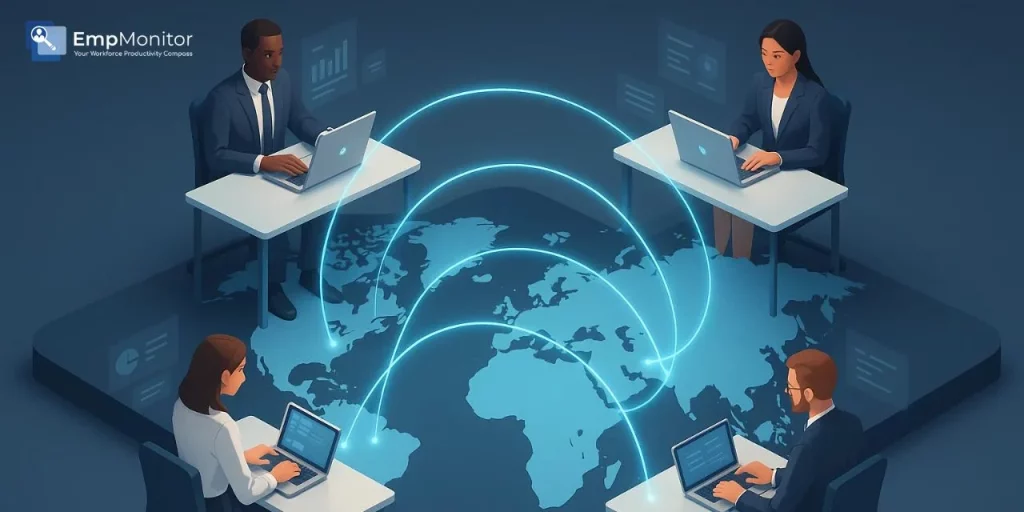
‘The new office has no walls.’ Today, businesses work with talent from the entire world, designers in one country, developers in another; marketers working remotely, even from hell. This international model has driven remote contractor management to become part and parcel of the way that scaling companies function.
Hiring remote builders is a powerful way for new products to grow faster and become efficient at the expense. They offer flexibility, which is rarely a hallmark of the traditional hiring model. But such advantages come with their own set of trials, coordinating across various time zones, tracking progress, maintaining good communication, and assuring consistent quality can get tricky without appropriate systems in place.
This is where a good remote contractor management process comes in. Instead, it’s building an infrastructure that encourages collaboration, accountability , and productivity among distributed teams. When it’s done right, it helps companies stay organized, meet deadlines, and keep everyone on the same page, no matter where they log in to work.
You can listen to this Blog here.
What Is Remote Contractor Management?

Remote contractor management is a practice of managing, supervising, and supporting specialists working from different places, not only in the office. Such professionals are typically freelance/independent professionals engaged for a specific project or service, in many cases, part-time or on fixed-term contracts.
When you get down to it, remote contractor management is about keeping structure and accountability in a distributed arrangement. This level of technology could make it as easy for someone to work from a ship in the middle of the Atlantic as if they were in an office next door, says Mellifont no one can then come home and say they did not understand their requirements, they did not deliver something on time or that they were out of kilter with where the company is headed.
The procedure often involves task delegation, deadlines, monitoring of progress, and communication, as well as performance measurement. A lot of companies also add in remote worker management software to track their time, productivity, and compliance on projects.
This differs from supervising in-house employees, as contractors are self-employed. Indeed, trust and efficiency require clear communication channels, transparent reporting, and fair evaluation systems.
Why Remote Contractor Management Matters for Growing Teams?
For growing teams, time and efficiency are everything. As projects expand and workloads increase, many businesses turn to remote contractors to bridge skill gaps and handle specialized tasks. But without proper remote contractor management, that flexibility can quickly turn into confusion and missed deadlines.
Effective management brings structure to distributed work. It ensures that every contractor understands their tasks, communicates clearly, and delivers results that align with business objectives. When done right, it creates a sense of reliability; teams know who’s responsible for what, and managers can track progress without micromanaging.
Good remote contractor management also helps control costs. With clear expectations and transparent workflows, businesses can prevent overbilling, track deliverables accurately, and make sure every hour spent contributes to meaningful results.
Most importantly, it builds trust. When contractors feel supported and businesses have visibility into performance, collaboration becomes smoother, and long-term partnerships are easier to maintain.
Common Challenges in Managing Remote Contractors
While hiring remote professionals opens the door to global talent, managing them effectively can be tricky. Without a structured remote contractor management process, teams may face several roadblocks that impact productivity and communication. Here are some of the most common challenges:
1. Communication Gaps
Different time zones, inconsistent updates, and unclear expectations can easily cause confusion. Remote teams need clear communication channels and scheduled check-ins to stay aligned.
2. Tracking Productivity
Unlike in-office teams, it’s harder to see how contractors are spending their time. Without proper remote worker management tools, managers struggle to measure effort and efficiency accurately.
3. Accountability Issues
When responsibilities aren’t clearly defined, tasks may overlap, or deadlines might slip. A transparent workflow ensures that every contractor knows what’s expected.
4. Data Security Concerns
Working remotely often means accessing company files from personal devices or unsecured networks. Without proper monitoring, data leaks and security breaches become real risks.
5. Maintaining Team Culture
Remote contractors can feel disconnected from the main team, affecting motivation and collaboration. Building engagement through regular interaction is key.
Understanding these challenges is the first step toward overcoming them, and that’s where effective remote contractor management practices come in.
Best Practices for Effective Remote Contractor Management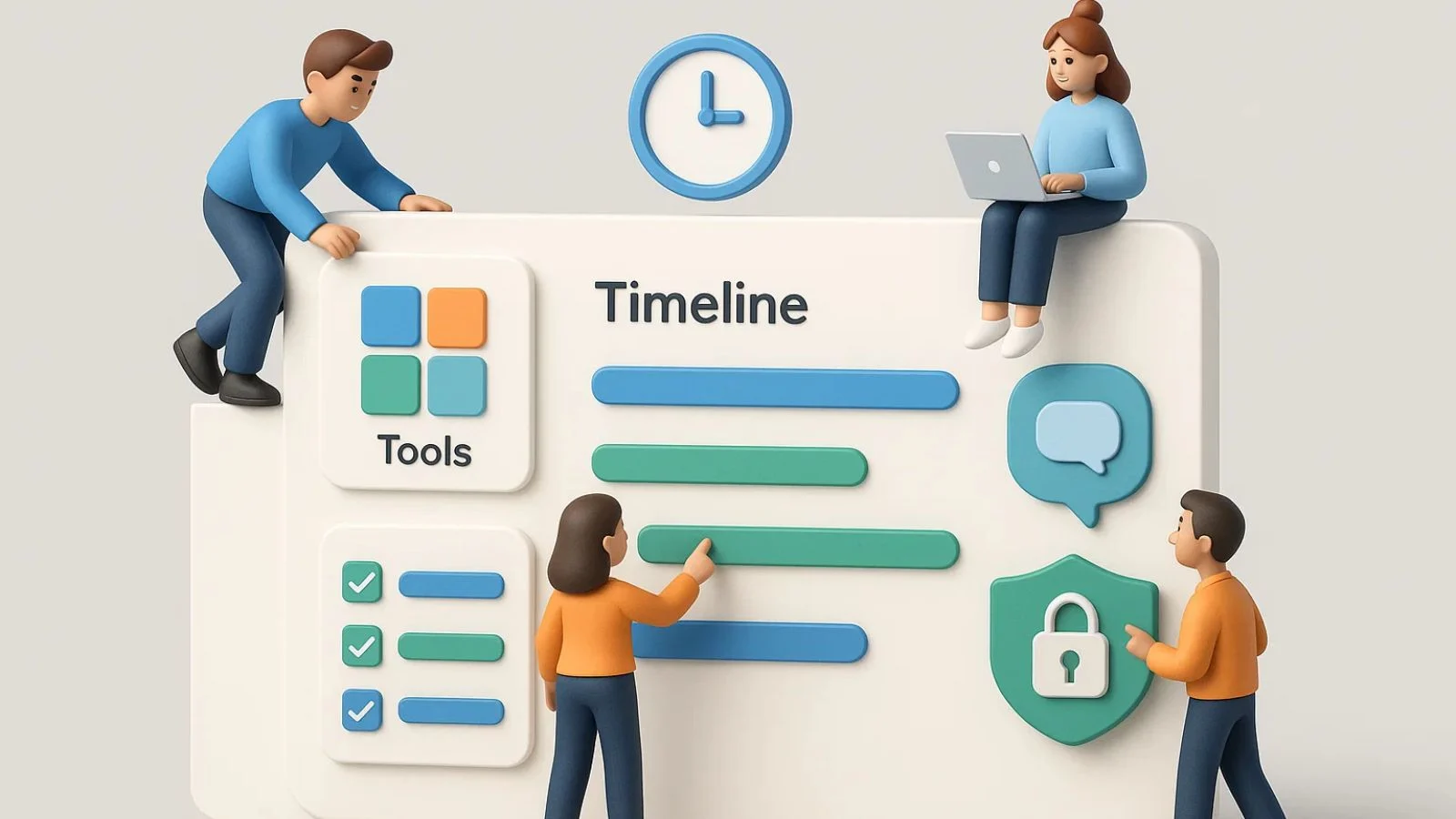
Managing remote professionals successfully requires more than just assigning tasks — it’s about building structure, trust, and accountability. Here are some best practices that make remote contractor management smoother and more efficient for growing teams:
1. Set Clear Expectations from the Start
Before work begins, outline roles, deadlines, deliverables, and communication methods. When expectations are defined early, contractors know exactly what success looks like.
2. Use the Right Tools for Coordination
Project management and remote employee monitoring software help track time, measure productivity, and ensure transparency. These tools make it easy to review progress and address issues before they escalate.
3. Maintain Consistent Communication
Regular check-ins through video calls or instant messaging keep everyone aligned. It’s not just about status updates; it helps contractors feel part of the team.
4. Protect Company Data
Use secure file-sharing systems and access controls to safeguard business information. Contractors should only access what they need for their role.
5. Offer Feedback and Recognition
Timely feedback helps improve performance, while appreciation motivates contractors to deliver their best. Even a small acknowledgment can go a long way in maintaining engagement.
By applying these best practices, businesses can make managing remote contractors a structured, transparent, and collaborative process, one that leads to consistent results and long-term partnerships.
How Technology Simplifies Remote Contractor Management
Technology has transformed how businesses manage remote teams, replacing manual check-ins with real-time tracking and automation. Software like EmpMonitor can be especially useful in structured remote contractor management scenarios.
EmpMonitor helps businesses monitor work patterns through features like time tracking, application usage, and productivity reports. This is particularly valuable for service-based roles, outsourced projects, and teams that bill clients based on working hours. It also supports data security by monitoring file access and helping protect sensitive company information.
However, monitoring tools may not be necessary for every role. Creative, strategic, or outcome-based positions often focus more on results than activity tracking. In such cases, excessive monitoring may reduce flexibility and trust.
When used appropriately and transparently, tools like EmpMonitor can improve accountability and coordination without disrupting workflow.
How EmpMonitor Can Help You Manage Remote Workers?
EmpMonitor provides tools specifically designed to help businesses manage remote teams more efficiently. Its features focus on improving visibility, tracking productivity, and ensuring smooth coordination across distributed workforces.
Key Remote Work Features of EmpMonitor
- Time Tracking – Tracks working hours, active time, and attendance to maintain accountability in remote environments.
- Activity Monitoring – Monitors application and website usage to provide insight into daily work patterns.
- Productivity Reports – Generates performance insights that help managers evaluate remote team output.
- Screenshot Monitoring – Captures periodic screenshots to help review workflow progress and task completion.
- Centralized Monitoring Dashboard – Allows managers to view remote team activity and performance from a single platform.
Building Long-Term Relationships with Remote Contractors
Great results come from great relationships. When businesses treat contractors as valuable partners instead of just temporary workers, collaboration becomes more productive and sustainable. Strong relationships are at the heart of successful remote contractor management.
Start by maintaining open communication. Regular check-ins, progress discussions, and honest feedback make contractors feel connected and supported. Transparency builds trust — and trust leads to better results.
Fair compensation is another important factor. Paying contractors on time and recognizing their contributions helps maintain loyalty and motivates them to deliver high-quality work.
Finally, invest in long-term collaboration. If a contractor consistently performs well, bring them back for future projects. Familiarity reduces onboarding time and ensures smoother execution every time.
By focusing on respect, reliability, and recognition, growing teams can turn short-term contracts into lasting professional partnerships that benefit both sides.
The Future of Remote Contractor Management
The future of work is undeniably remote, and managing contractors effectively will only become more important with time. As businesses continue to embrace flexible hiring models, remote contractor management will evolve from being an operational necessity to a core business strategy.
Automation, AI, and advanced analytics are already reshaping how teams collaborate across borders. These tools help predict workload trends, optimize scheduling, and measure productivity more accurately than ever before. For companies, this means better control over projects and clearer insights into team performance.
At the same time, contractors are seeking more transparency, fair pay, and flexibility in how they work. Businesses that adapt to these expectations by combining smart technology with a culture of trust will have a major advantage in attracting and retaining top global talent.
In short, the future of remote contractor management is about balance: empowering contractors with flexibility while maintaining structure and accountability through intelligent systems.
How to Onboard Remote Contractors Effectively?
A smooth onboarding process sets the tone for success. Clear instructions, defined goals, and early communication help contractors understand your business culture and expectations.
Start by sharing essential resources — such as project briefs, access credentials, communication tools, and timelines. Make sure contractors know whom to contact for different concerns. Setting this structure upfront prevents delays and confusion later on.
Documentation also matters. A detailed onboarding checklist ensures that every contractor goes through the same steps, keeping operations consistent and professional.
When onboarding is done right, contractors feel confident, aligned, and ready to deliver from day one — making remote contractor management far more efficient.
Measuring Performance in Remote Contractor Management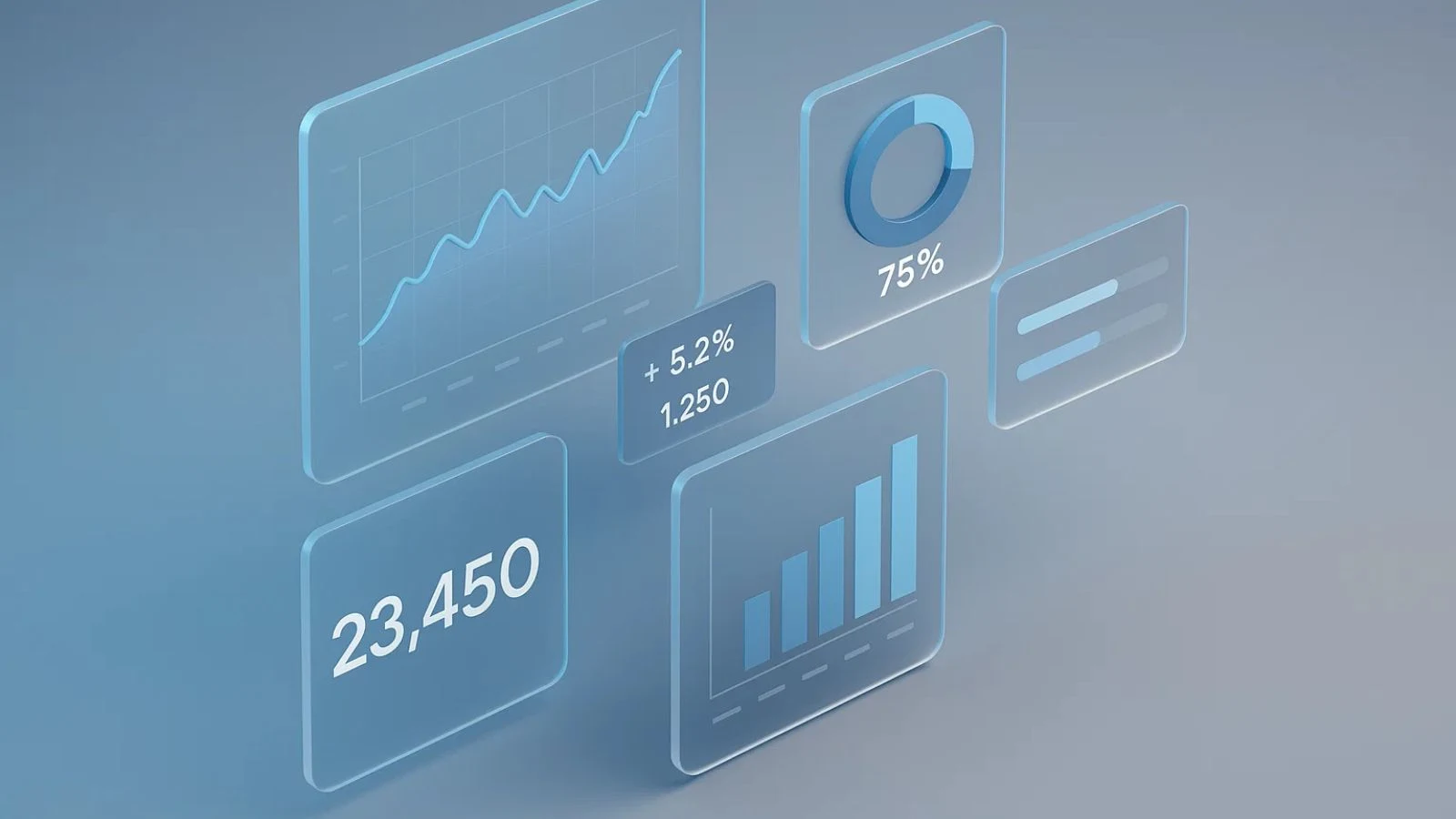
Performance tracking is a crucial part of managing remote contractors. It ensures accountability, encourages improvement, and keeps projects on track.
Use measurable metrics like task completion rate, time spent on deliverables, and quality of work to assess performance fairly. Many teams use dashboards or reports to visualize progress and identify potential bottlenecks early.
Regular feedback sessions are equally important. They allow contractors to understand what’s working and what needs improvement, promoting a culture of transparency and growth.
By focusing on results instead of micromanagement, teams can strike the perfect balance between flexibility and performance.
Legal and Compliance Considerations in Remote Contractor Management
As businesses expand their remote workforce across borders, compliance becomes a crucial part of remote contractor management. Different countries have their own labor laws, tax regulations, and data privacy requirements — and failing to follow them can lead to costly mistakes.
Start by clearly defining contractor agreements. Contracts should outline deliverables, payment terms, confidentiality clauses, and intellectual property ownership. This ensures both parties understand their rights and responsibilities.
It’s also important to classify workers correctly. Misclassifying contractors as employees (or vice versa) can result in compliance issues or penalties.
Finally, prioritize data protection. Contractors often handle sensitive company information, so businesses must ensure compliance with global privacy laws like GDPR by restricting unauthorized access and using secure digital platforms.
In short, a legally sound approach to remote contractor management protects both the company and the contractors — creating a transparent, trustworthy, and professional working relationship.
Also Read,
Managing Remote Workers Toolkit: The Ultimate Tools For Success
Managing Remote Workers: Best Practices And 9 Essential Tips
Conclusion: Building a Future-Ready Workforce
As businesses continue to grow and operate across borders, remote contractor management is no longer just an option; it’s a necessity. Managing contractors effectively helps teams stay organized, productive, and compliant, while also creating a positive experience for everyone involved.
The key is to build systems that encourage communication, accountability, and transparency. By combining the right management practices with smart tools, companies can handle global teams with ease, ensure quality outcomes, and scale faster than ever.
In the end, effective remote contractor management isn’t about control; it’s about connection. When businesses trust their contractors and provide them with structure, the results naturally follow.
FAQs
1. How do I ensure productivity without micromanaging remote contractors?
Instead of constantly checking in, use automated tools that track activity and time in the background. Set clear milestones, measure outcomes, and review results weekly, not hourly. This approach maintains accountability while respecting contractor independence.
2. What’s the best way to handle payment and invoicing for remote contractors?
Use digital payment platforms or project management systems that support invoicing. Always have a transparent process where contractors submit invoices linked to milestones or completed tasks, ensuring smooth and timely payments.
3. How can I keep contractors engaged long-term if they’re not full-time employees?
Offer consistent communication, fair pay, and meaningful feedback. When contractors feel valued, included, and respected, they’re more likely to stay loyal to your projects over time.