
On a daily basis, the Customer Support team handles hectic calls, different moods, and challenging inquiries. A call’s entire outcome can be altered by a single ambiguous sentence. For this reason, businesses make regular quality checks and invest in robust call monitoring systems. These procedures assist teams in maintaining consistent service, lowering errors, and increasing clarity.
Today, many support leaders also depend on technology like an audio translator to make conversations easier across different languages and accents. When utilized together, these strategies help teams respond faster, communicate clearly, and create an improved client experience.
Understanding Call Monitoring In Modern Support Teams
Call monitoring helps supervisors review live and recorded customer communication. They understand what is working inside the team and what needs improvement. Good support teams depend on monitoring, not to micromanage but to guide their staff toward better communication.
Call monitoring typically focuses on areas like:
- How agents greet the customer
- Whether they follow internal guidelines
- The clarity of their explanations
- How fast and confidently they handle the issue
Over time, these insights show patterns that help improve team performance and customer satisfaction.
The Importance Of Quality Checks In Customer Support
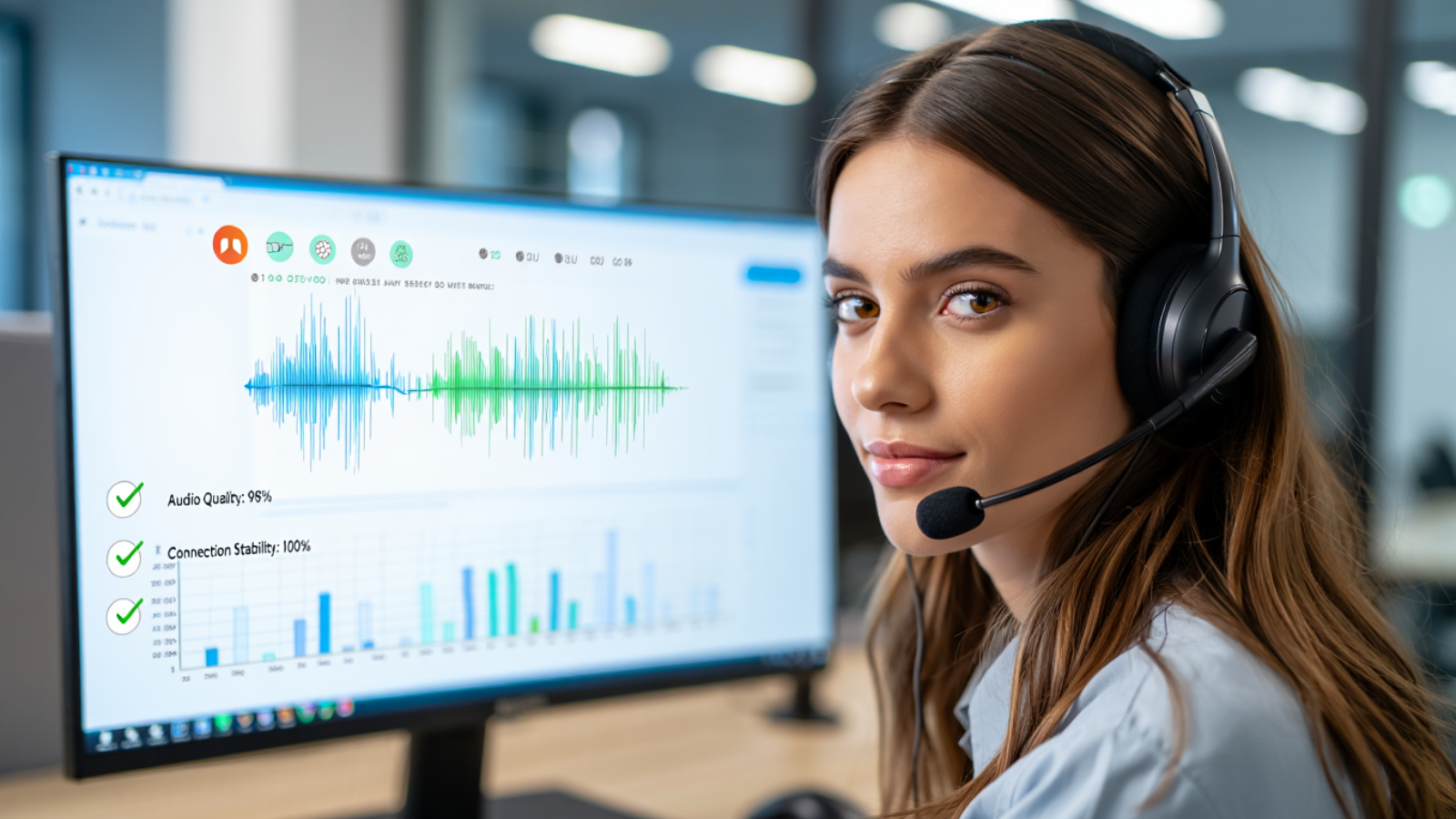

Quality checks act like a regular health test for support operations. They help leaders see if their team is meeting standards and if the customer experience remains strong across all calls.
A practical quality check framework usually includes:
- Listening to a sample of calls
- Evaluating agent tone, speed, and accuracy
- Checking for compliance with company policies
- Identifying common gaps that can be fixed with coaching
These steps guide teams to deliver clear, polite, and helpful responses.
Helpful quality check habits to build
Agents improve faster when they get structured and consistent feedback. Here are a few habits that support teams adopt:
- Create simple scorecards so agents understand exactly what is measured.
- Hold weekly review meetings to talk about real examples, not just numbers.
- Use transparent evaluation criteria that build trust between agents and supervisors.
Where An Audio Translator Fits Into Call Quality?

Support teams today handle customers from different locations, languages, and accents. This variety sometimes leads to miscommunication. An audio translator solves this by helping agents understand recordings in multiple languages and by offering clearer insights during evaluation.
You can include an audio translator naturally in your process in two ways. First, it helps supervisors review calls from regions they do not speak fluently. Second, it supports training by letting agents listen to translated call examples and learn how global customers express their concerns.
For example, teams often use an audio translator when reviewing calls from overseas customers whose accents may be difficult to understand. It makes evaluation smoother and prevents mistakes in scoring or feedback.
How Call Monitoring And Translation Work Together?

When you combine monitoring with translation, your support quality improves in several practical ways.
Key ways they complement each other
- They reduce confusion that often comes from unclear audio or unfamiliar accents.
- They help supervisors evaluate calls faster and with more confidence.
- They support multilingual teams without needing extra staff or external help.
- They make onboarding easier because agents can learn from calls recorded in many languages.
Support teams also use tools like an audio translator during coaching sessions. When explaining improvement points, supervisors can present translated audio clips that highlight tone differences, clarity issues, or gaps in understanding.
6 Steps To Build A Strong Call Quality Process
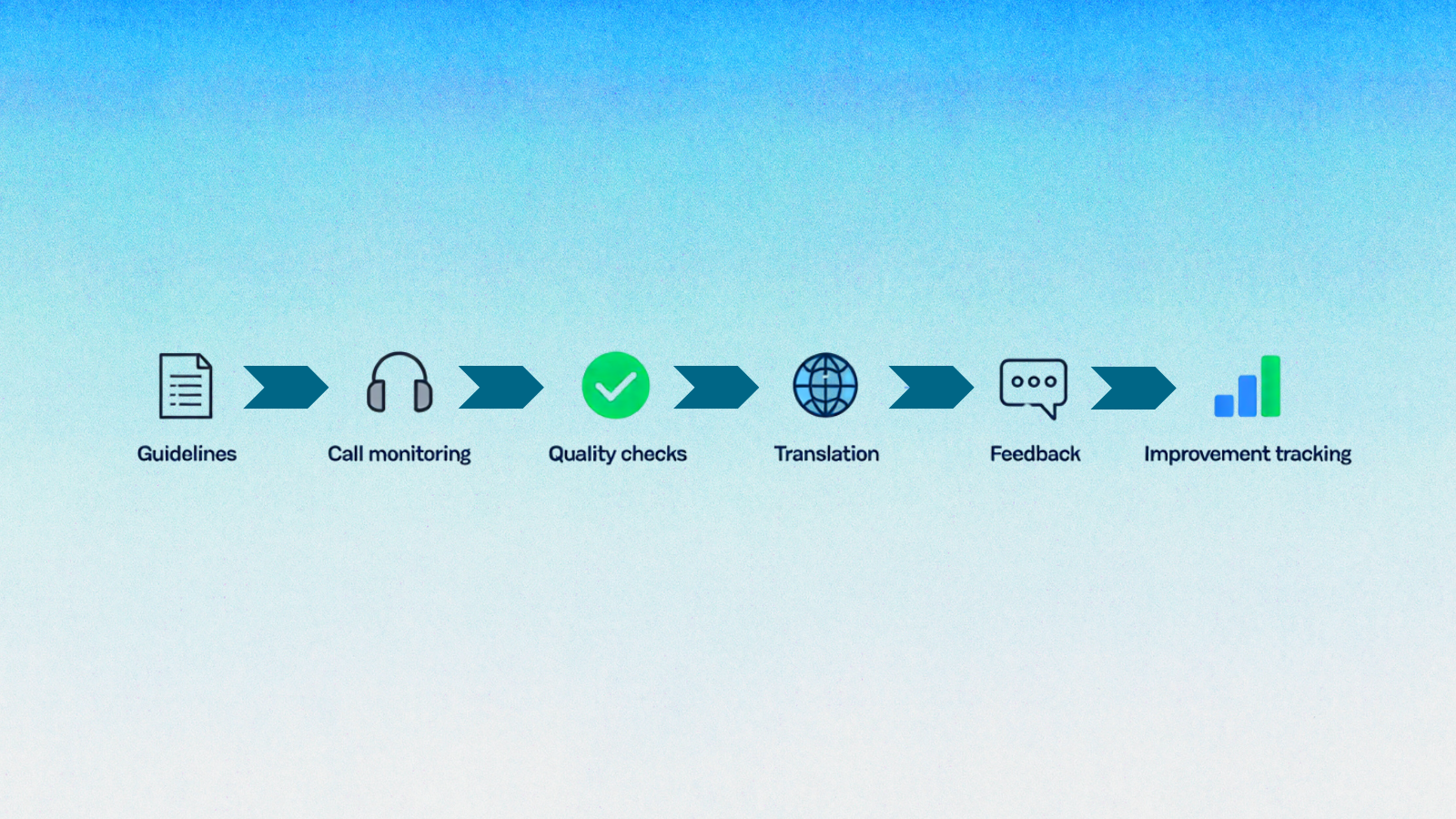
Creating an effective call quality system does not require heavy tools. It needs structure, teamwork, and regular improvement.
Here is a six simple flow that many teams follow:
- Start with proper guidelines that explain what excellent customer communication looks like.
- Use call monitoring to gather real examples of good and bad interactions.
- Run quality checks weekly to spot trends and challenges.
- Include translation tools for teams that handle global customers.
- Give feedback to agents in short, focused sessions.
- Track improvements over time and update your guidelines when needed.
This approach keeps support performance stable and helps new agents learn faster.
Benefits Of Strong Monitoring And Quality Practices
When teams take call monitoring and quality checks seriously, the impact becomes clear in everyday work. It affects more than just call accuracy.
Key benefits support teams notice
- Better communication between agents and customers
- Faster resolution times
- Reduced misunderstandings in multilingual calls
- Higher confidence among agents
- Stronger customer satisfaction scores
In many companies, these benefits translate into repeat customers, fewer escalations, and improved team morale.
How Supervisors Can Use Tools To Improve Coaching?
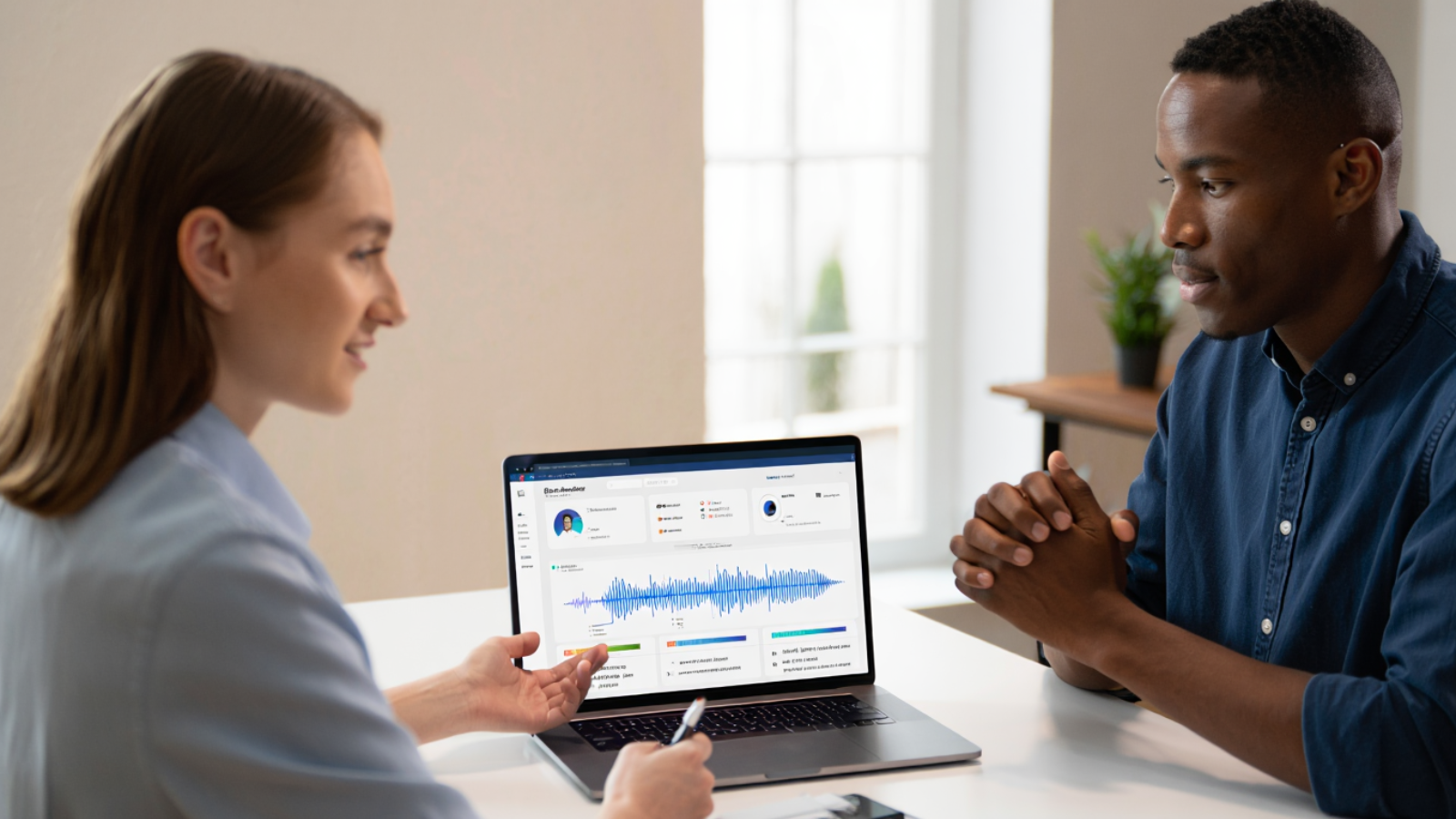
Training support agents becomes easier when supervisors have access to the right recordings and translations. Real examples create stronger learning moments than theoretical scripts.
Supervisors often use translated recordings to show:
- How a customer describes a technical issue
- How does tone change during frustration or relief
- How do different regions express the same question
This gives agents a better understanding of customer behavior and helps them prepare for real calls.
Alongside call monitoring and translated recordings, supervisors often rely on workforce and employee monitoring tools like EmpMonitor to gain a broader view of agent performance. By tracking work patterns, active hours, and task engagement, managers can connect call quality insights with overall productivity, making coaching more data-driven and balanced.
The Future: Smarter Call Monitoring With AI And Translation
Customer support technology is growing fast. Artificial intelligence technologies, advanced analytics, and real-time monitoring features are becoming more common. Translation technology also keeps improving, letting teams understand global customers instantly.
A strong combination of call monitoring, quality checks, and translation tools helps teams stay relevant in a competitive market. It ensures that every interaction feels clear and consistent, no matter where the customer is calling from.
Conclusion
CSR teams work at the heart of every business. Their performance shapes the first impression and the long-term trust of customers. By using call monitoring, practicing regular quality checks, and adding powerful tools like an audio translator, teams can deliver clearer, more accurate conversations. This combination improves training, reduces confusion in multilingual calls, and helps agents grow steadily in their roles.