

While managing a remote sales team, it can feel overwhelming to track every single move daily. Not only do you have an employee’s target to worry about, but you also have the hope that your team will never disappear when you really need them.
Managing a remote sales force can introduce some unique challenges: high levels of turnover, differences in time zones, and the lack of face-to-face interactions, ensuring that everyone involved in the team is kept on the same page. As a result, if you do not measure how well your team is performing, you’re simply hoping that everything will work out through sheer luck.
That is where KPIs come into play. KPIs provide you with the data necessary to make informed decisions about productivity and whether everyone is performing their tasks. We will discuss the five KPIs that every remote sales manager must track when managing remote sales teams and their productivity in this article in order to keep your sales teams aligned, motivated, and on target.
Hit ‘Play’ Button & Tune Into The Blog!
What Are KPIs & Why Are They Measured?
Key performance indicators (KPIs) are essential for determining how well your team is achieving its goals. They provide managers with quantitative data points to assess whether the team is on track, falling behind, or achieving sales targets. KPIs also help identify specific areas of the business that may need further development.
For remote sales teams, KPIs are even more critical. Since remote sales managers can’t observe their team’s actions in person, they rely on KPIs to measure performance and ensure everything is moving forward effectively.
By tracking KPIs, remote managers can monitor their team’s success and focus on areas that need improvement, all without needing to micromanage every call or email.
For organizations seeking structured KPI management and deeper performance visibility, EmpMonitor offers advanced monitoring, reporting, and workforce analytics tailored for remote sales environments. It empowers leadership with accurate data to optimize strategy, improve efficiency, and drive measurable growth.
The 5 KPIs Every Remote Sales Team Manager Must Track
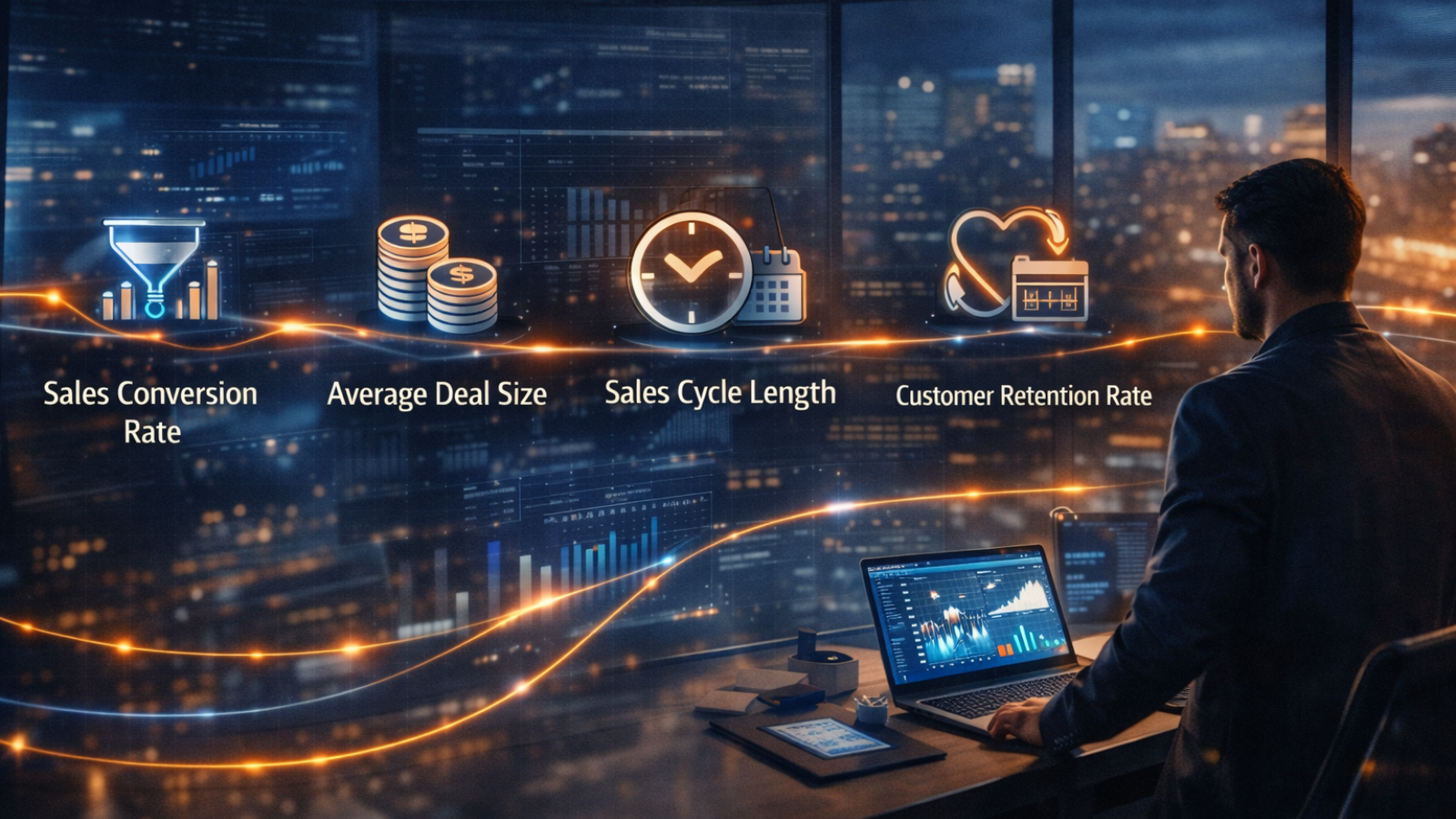

Now that we’ve set the foundation for why KPIs are critical for remote sales teams, let’s dive into the top five metrics every sales manager should track. These KPIs will give you the insights you need to monitor performance, optimize strategies, and ensure your team is consistently hitting their goals.
1. Sales Conversion Rate
One of the most critical KPIs for any sales team is the conversion rate of the sales team. This KPI indicates how effective your team is at converting leads or prospects into actual sales. By monitoring this metric, sales managers can determine the success of their efforts to convert prospects into paying customers.
Why it matters:
Tracking this KPI allows for a better assessment of how well your sales process functions. A higher conversion rate typically indicates that your sales team is successfully engaging leads, resolving issues and closing deals. For remote sales teams, using CRM software and other types of sales tools allows each member of the team to track their virtual interactions and assess how well those interactions lead to successful sales.
How to measure it:
To determine your sales conversion rate, simply multiply the number of conversions by the number of leads and divide by 100 to achieve the percentage.
2. Average Deal Size

The average deal size is the average value of each deal closed by a sales rep. This key performance indicator is a key measure for understanding the revenue produced by an individual salesperson or team of salespeople. By knowing this measure, you can assess whether the salespeople you are employing are targeting high value customers and closing larger deals.
Why is this important?
This metric allows sales managers to see trends or patterns in the size of the deals being finalised and modify their approach to upselling, cross-selling, and identifying the best companies to sell to. For companies with a remote workforce, sales managers can also use this metric to compare the effectiveness of using virtual meetings and online demonstrations to close high value sales compared to more traditional methods.
How to measure it:
Find the total value of all deals that have been closed in a designated amount of time. Then divide the total value of all closed deals by the number of deals that were closed in the same period.
3. Sales Cycle Length
Sales cycle length is the average time it takes for a lead to convert into a closed deal. The shorter the sales cycle, the more efficient the sales team. This KPI is crucial for understanding how long it takes for your team to move a lead from the prospect stage to the final sale.
Why is this important?
Tracking the sales cycle length helps sales managers identify inefficiencies in the sales process and areas where improvements can be made. For remote teams, this KPI also highlights how well virtual interactions (calls, emails, video meetings) are helping close deals in a timely manner.
How to measure it:
Track the time between the first interaction with a lead and the closing of the deal. Average the times for all sales closed in a specific period.
Read More
What Employee Performance Metrics Should IT Managers Focus On?
Why Tracking Productivity KPIs Is Essential For Employee Growth?
Empower Your Management With Employee Productivity Metrics
4. Customer Retention Rate
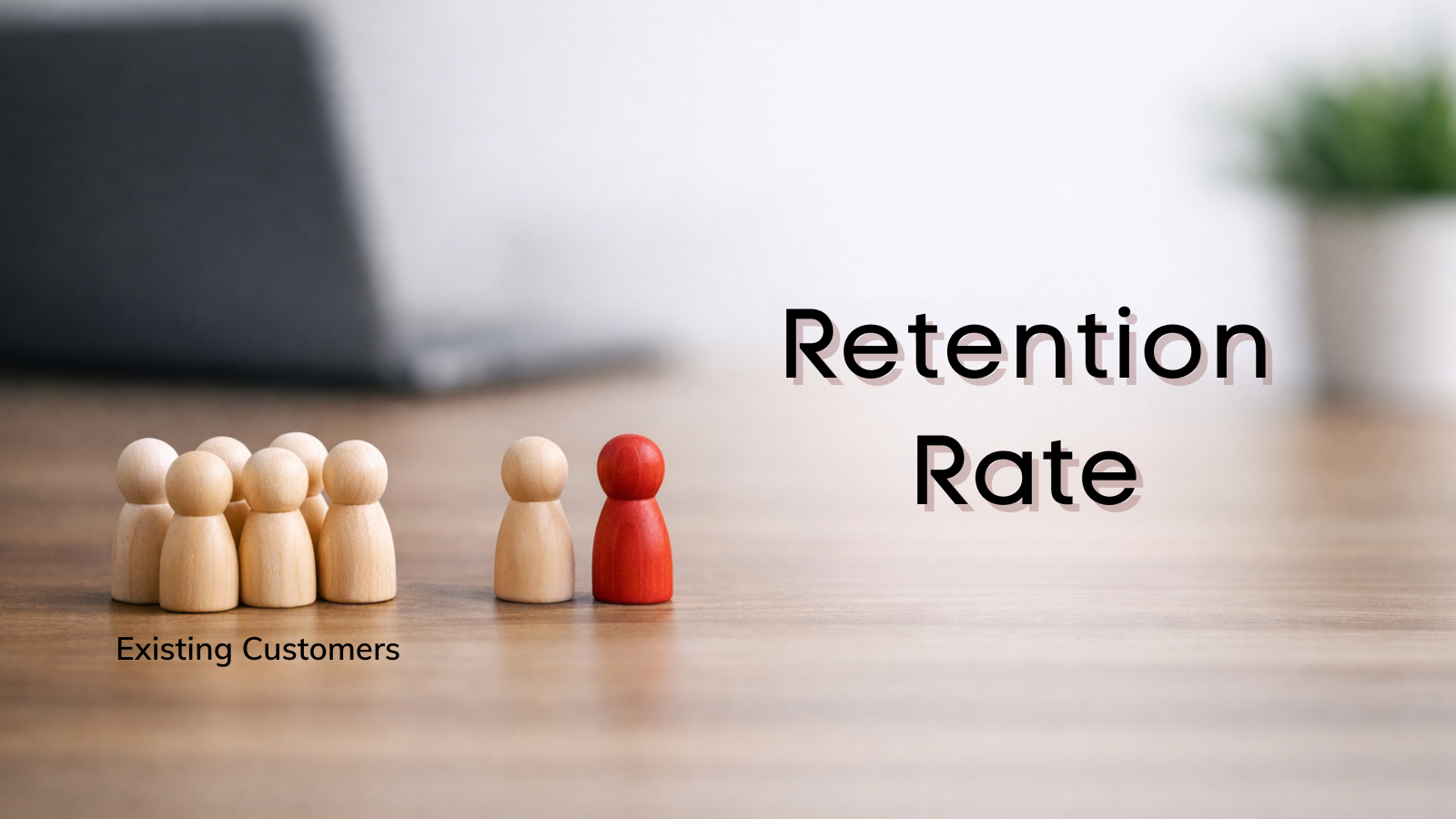
Customer retention rate is a critical KPI, especially for remote sales teams focusing on long-term relationships. This metric shows the percentage of customers who continue doing business with your company over a specific period. It’s essential for measuring how well your team is maintaining customer relationships after the initial sale.
Why is this important?
It’s much cheaper to retain existing customers than acquire new ones, so a strong retention rate is a sign of a healthy sales team. For remote teams, this KPI often reflects the level of customer support and engagement being provided virtually, as well as the overall quality of the customer experience post-sale.
How to measure it:
Subtract the number of customers lost during the period from the total number of customers at the start, then divide by the total number of customers at the start and multiply by 100 to get the percentage.
5. Activity Metrics (Calls, Emails, Meetings)
For remote sales teams, activity metrics are essential in tracking how much effort each sales rep is putting in. These metrics track the number of calls, emails, meetings, and other touchpoints a rep has with prospects and clients during a given period.
Why is this important?
While activity doesn’t always directly correlate to sales, it gives managers a clear idea of how much effort is being put into generating leads. Monitoring activity metrics can also help identify reps who may be underperforming or missing opportunities to engage with prospects.
How to measure it:
Track each rep’s outreach activities, including the number of calls made, emails sent, and meetings booked. Tools like CRM systems and sales dashboards can help monitor these activities in real time.
Some Important KPIs to Consider (Bonus Metrics You Shouldn’t Overlook)
Although five key performance metrics have been mentioned in the previous sections as being vital statistics to help you gauge the success of your remote sales team, here are some bonus KPI’s that will help you lay the foundation for your team’s long-term growth and success. These additional KPIs are particularly relevant for the early stages of your remote sales team:
1. Lead Response Time
The faster your team responds to an incoming lead request the greater chance that the lead will convert to a sale. In a remote selling environment, prompt follow-up responses establish a sense of trust and interest on the part of the customer for doing business with your company. Speed is especially important when leads are fresh and eager. Tracking lead response times allows your sales team to protect their competitive edge and ensures that they are not losing opportunities due to response time delays.
2. Activity Volume
Early on, it is important to establish a clear cadence of activity as a team. The volume of calls, emails, and meetings helps ensure that your team is engaging prospects and building a solid sales pipeline. High activity volume gives the team the necessary experience to identify patterns, refine their sales tactics, and ultimately boost the conversion rate.
How EmpMonitor Helps Remote Sales Teams?
EmpMonitor’s Field Force Management features are designed to streamline and optimize remote sales team performance. With real-time location tracking, advanced geofencing, and attendance management, EmpMonitor helps managers monitor employee activities, providing a clearer picture of their work.
- Task Management: EmpMonitor enables managers to track and assign tasks, ensuring that work is completed as expected and goals are met.
- Performance Reports: The platform provides detailed reports on team performance, offering valuable insights into individual and team efforts.
- Geo-Verified Client Visits: EmpMonitor confirms field agent visits to clients, ensuring accurate records of on-site activities and customer engagement.
- Consolidated Data: All key activity data is gathered in one place, making it easy for managers to track important KPIs like lead response time, activity volume, and conversion rates.
- Real-Time Adjustments: With this data, managers can make informed, data-driven decisions, keeping the team on track and improving performance over time.
- Mobile App & Notifications: The user-friendly mobile app and real-time notifications keep both managers and field agents connected, improving communication and decision-making across remote teams.
With EmpMonitor, sales managers are equipped with the tools they need to not only track performance but also optimize their team’s overall efficiency and success.
Try EmpMonitor feild force management application today and feel the difference.
Conclusion
Tracking your remote sales team through five Key Performance Indicators (KPIs) is critical to their success. By tracking these KPIs, you can identify how well your team has performed and what improvements can be made regarding performance at each KPI. This information will enable you to provide guidance for making sound business decisions that will help you grow your business.
It is crucial to remember that KPIs are not just numbers, but a story of how well your team has performed as a whole, and they can help provide guidance on how to better implement your sales strategy. Using a tool like EmpMonitor can help you easily track all of your KPIs and ensure that your remote sales team is performing to the best of its ability.
FAQs
Q1: How often should I track my remote sales team’s KPIs?
It’s important to track KPIs regularly, ideally on a weekly or monthly basis, to ensure that you can make quick adjustments to your sales strategies when needed.
Q2: Can I manually track these KPIs?
While KPIs can be tracked manually, EmpMonitor simplifies the process by automating data collection and analysis, offering real-time insights to help you make informed decisions without the need for manual tracking.
Q3: How do I motivate my sales team based on these KPIs?
Use these KPIs to identify areas for improvement and celebrate wins. Provide feedback, support, and incentives for hitting KPIs to keep your team motivated and engaged.
Q4: What should I do if my team is underperforming on certain KPIs?
Analyze the data to identify any bottlenecks in the sales process, and provide additional training or support where needed. Regular coaching and performance reviews are also crucial.
Q5: How can EmpMonitor help me improve my remote sales team’s performance?
EmpMonitor allows you to track KPIs in real-time, providing actionable insights that help you manage performance and optimize sales strategies, ensuring better outcomes for your sales team.