
Every business relies heavily on technology to operate efficiently. From laptops and desktops to smartphones and tablets, these devices store critical company data. Without proper protection, businesses expose themselves to cyberattacks, malware, and unauthorized access. Endpoint security software acts as the first line of defense, ensuring each connected device is secure from potential threats.
With cyber threats evolving daily, investing in reliable endpoint security software is no longer optional. Companies that fail to prioritize endpoint security risk face data breaches, financial loss, and damage to their reputation. For businesses of any size, understanding how endpoint security software functions and how to select the best solution can make a significant difference in overall security posture.
In a hurry? Listen to the blog instead!
What Is Endpoint Security Software, And How does it work?

Endpoint security software protects every device connected to a network, whether on-site or remote. Its primary function is to detect, prevent, and respond to malicious activity on endpoints, including malware, ransomware, phishing attacks, and unauthorized access attempts.
This software monitors endpoints continuously, scanning for threats and unusual behavior. Many modern solutions use artificial intelligence and behavioral analytics to detect advanced threats that traditional antivirus solutions might miss. By implementing endpoint security software, businesses gain visibility over their network, ensuring sensitive data remains protected.
Endpoint security software often comes with features like device control, firewall management, intrusion detection, and data encryption. It also integrates seamlessly with other security tools to offer a holistic approach to business cybersecurity.
Understanding Business Endpoint Protection
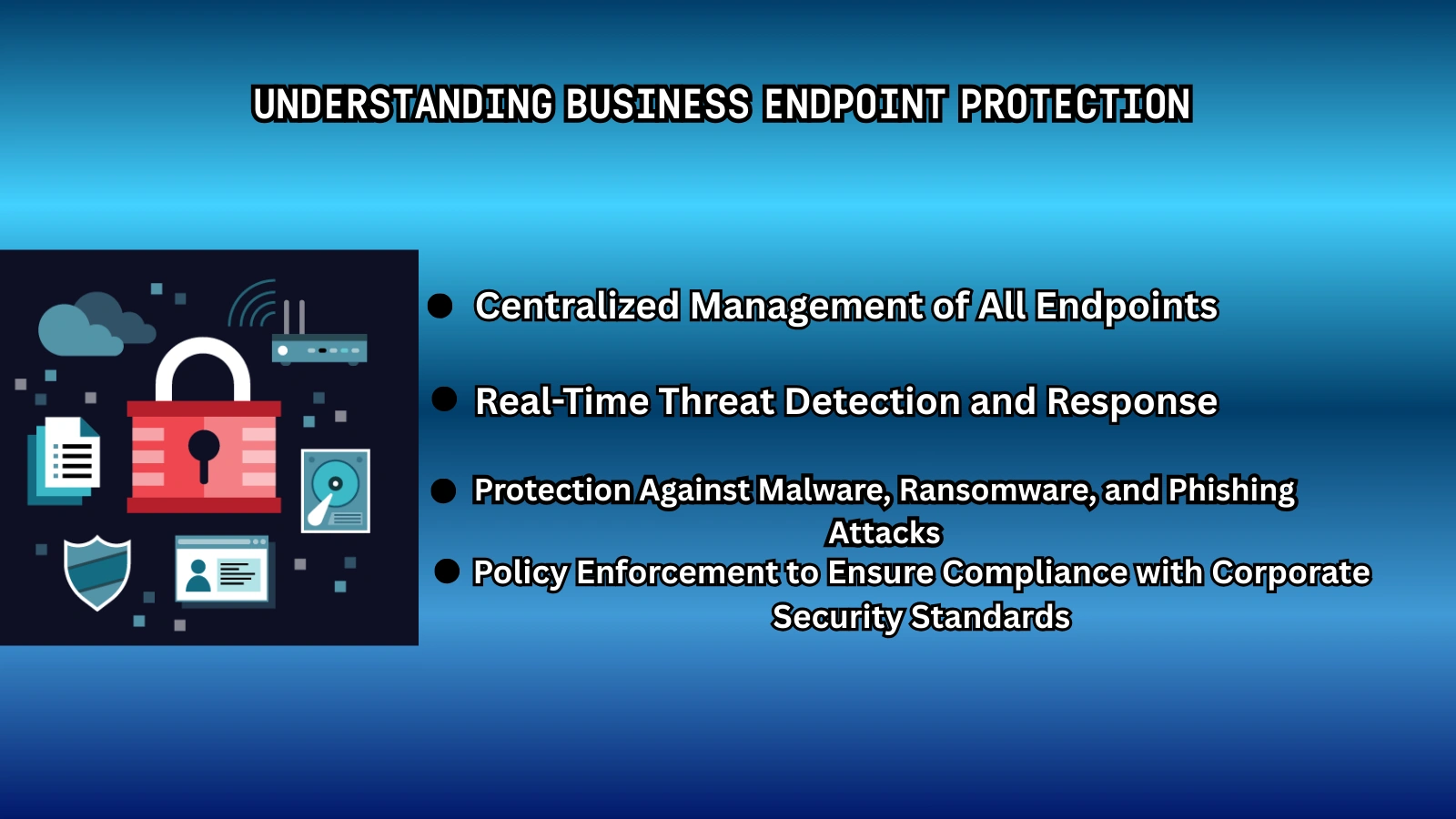
Business endpoint protection focuses on safeguarding organizational devices from both internal and external threats. While individual devices might rely on basic antivirus software, businesses face more complex risks due to multiple endpoints, remote teams, and sensitive corporate data.
Business endpoint protection includes:
Centralized Management of All Endpoints
Centralized management allows IT teams to monitor and control all devices from a single console. Updates, security patches, and configurations can be deployed efficiently across the organization. This ensures consistent protection and reduces the risk of unmanaged devices creating vulnerabilities.
Real-Time Threat Detection and Response
Real-time monitoring identifies suspicious activity as it happens, preventing potential attacks from spreading. Immediate alerts allow security teams to respond quickly to threats. This proactive approach minimizes damage and keeps business operations running smoothly.
Protection Against Malware, Ransomware, and Phishing Attacks
Endpoint protection software scans and blocks malicious files and links before they can cause harm. Advanced tools detect ransomware and phishing attempts, safeguarding sensitive business data. Continuous protection ensures that threats are neutralized before affecting devices or networks.
Policy Enforcement to Ensure Compliance with Corporate Security Standards
Businesses can define security policies and enforce them across all endpoints to maintain compliance. Employees follow standardized practices, reducing accidental security breaches. Policy enforcement also simplifies audits and regulatory reporting, keeping the organization aligned with industry standards.
Investing in endpoint protection software ensures that each device, whether on-premises or remote, operates securely. Companies gain a robust layer of defense that minimizes downtime, protects sensitive information, and supports regulatory compliance.
Top Benefits Of Using Endpoint Protection Software
- Proactive Threat Prevention
Endpoint protection software prevents attacks before they impact operations. Real-time scanning and threat intelligence help businesses stay ahead of cybercriminals. - Data Loss Protection
Advanced features like encryption and USB control safeguard sensitive company information. Endpoint protection software ensures that data remains secure even if devices are lost or stolen. - Centralized Management
Managing multiple devices becomes simple with a centralized console. IT teams can deploy updates, monitor endpoints, and respond to threats without manual intervention. - Compliance Support
Businesses in regulated industries must meet strict security standards. Endpoint protection software provides auditing and reporting tools to ensure compliance with GDPR, HIPAA, or other industry regulations. - Reduced Downtime
By preventing cyber incidents and detecting threats early, businesses experience fewer interruptions. Employees can focus on work without worrying about device security.
Types Of Endpoint Protection Services Available

Endpoint protection services vary depending on business needs and size. Key types include:
- Cloud-Based Endpoint Protection Services
Cloud solutions deliver real-time updates and threat intelligence without installing heavy software on each device. They are scalable and suitable for businesses with remote or hybrid teams. - On-Premises Endpoint Protection Software
On-site solutions provide full control over security but require more IT resources for maintenance and updates. They are ideal for companies with stringent data privacy requirements. - Managed Endpoint Protection Services
Managed services offer outsourced monitoring and maintenance. Security experts handle deployment, threat detection, and incident response, allowing businesses to focus on core operations.
Choosing the right endpoint protection service depends on factors like the number of devices, IT resources, and the business’s risk tolerance.
How To Choose The Right Endpoint Security For Business?
Selecting the best endpoint security software for your business requires careful evaluation. Here are the critical factors:
- Scalability
Scalability ensures the endpoint security software can cover all current devices while supporting future growth. Businesses can add new endpoints without compromising security. This prevents gaps in protection as the organization expands. - Ease of Use
A user-friendly interface reduces the learning curve for IT teams. It allows administrators to deploy updates, monitor devices, and manage policies efficiently. Simplified operation ensures security measures are consistently applied across all endpoints. - Integration Capabilities
Integration with existing IT systems allows smooth coordination between security tools, firewalls, and monitoring solutions. Proper integration ensures data flows seamlessly without creating vulnerabilities. Businesses can maintain a cohesive cybersecurity ecosystem without extra complexity. - Real-Time Threat Detection
Continuous monitoring detects unusual activity instantly, reducing the risk of breaches. Alerts notify IT teams of threats, enabling immediate intervention. This proactive approach prevents attacks from spreading and limits potential damage. - Support and Maintenance
Reliable vendor support ensures issues are resolved quickly and updates are consistently applied. Ongoing maintenance keeps the software effective against evolving threats. Strong support minimizes downtime and maintains robust protection for all endpoints.
By analyzing these factors, businesses can make an informed decision and invest in endpoint security software that provides maximum protection.
Also Read:
Threat Hunting 101: Everything You Need to Know!
Insider Threat Examples: Spot Potential Risks and Mitigate
Common Mistakes Businesses Make With Endpoint Security
Even with the right tools, businesses often make errors that reduce effectiveness:
- Neglecting Updates
Outdated endpoint security software cannot protect against the latest cyber threats. Regular updates and patching are essential to fix vulnerabilities. Businesses that neglect updates risk malware, ransomware, and other attacks that bypass their defenses. - Ignoring Employee Behavior
Employees may unknowingly engage in risky activities, such as downloading unsafe files or visiting malicious websites. Without monitoring tools, businesses cannot detect or correct these behaviors. Educating staff and tracking activity reduces human-related security risks. - Relying on a Single Security Layer
Endpoint security alone cannot provide full protection against cyber threats. Businesses need multiple layers, including firewalls, network security, and monitoring solutions. Combining defenses strengthens overall security and minimizes potential breaches. - Underestimating Remote Devices
Remote and mobile devices often lack the same security controls as on-site endpoints. Ignoring these devices creates vulnerabilities for hackers to exploit. Ensuring all endpoints, including laptops and smartphones, are protected is crucial for complete business security.
Avoiding these mistakes helps companies maximize the effectiveness of endpoint protection software and safeguard critical assets.
How Empmonitor Helps In Monitoring And Strengthening Endpoint Security?
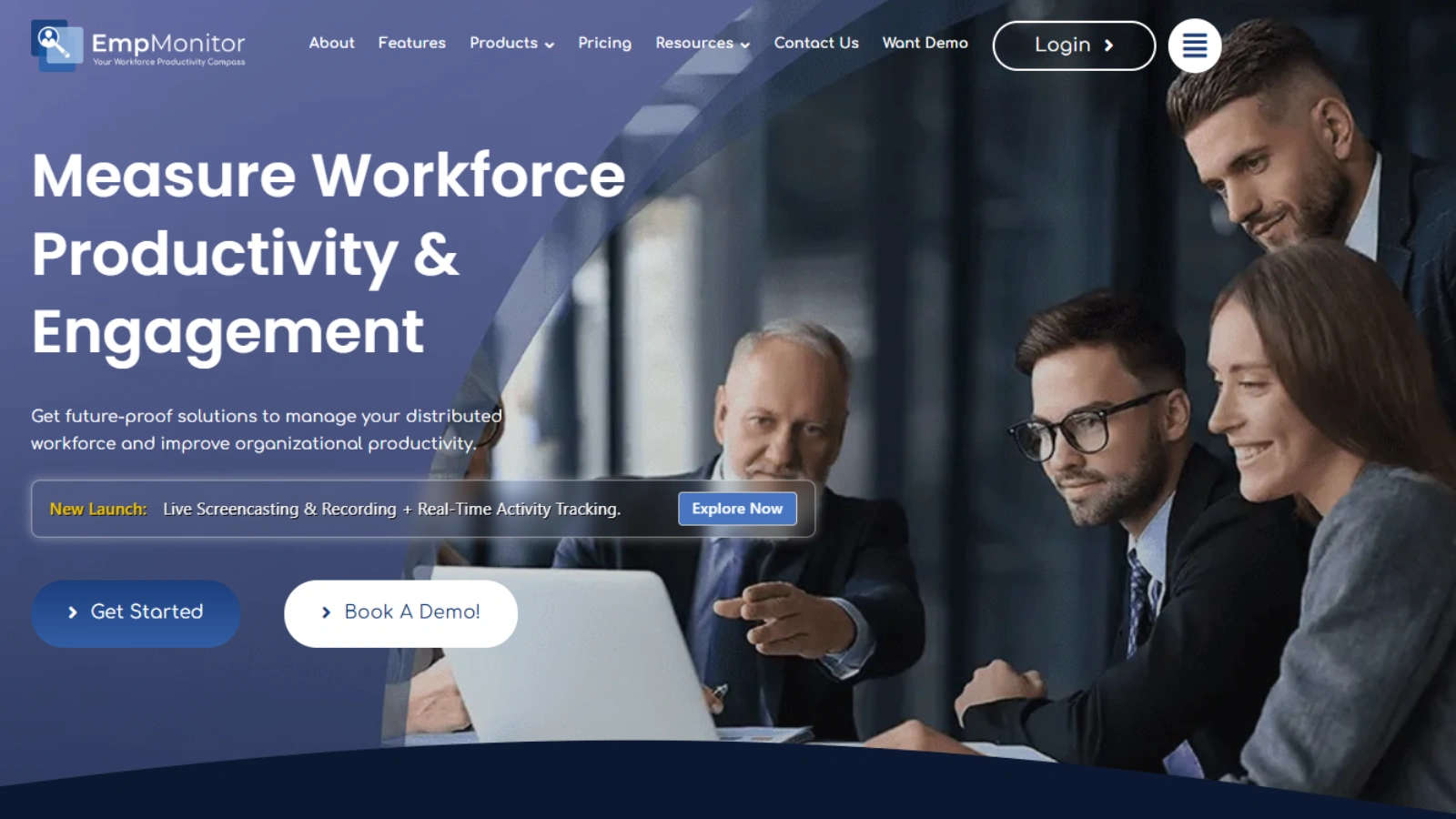
EmpMonitor offers a complete monitoring solution that works alongside endpoint security software. By tracking employee activity, businesses gain clear visibility into device usage and potential vulnerabilities. This combination helps prevent both internal and external threats effectively.
User Activity Monitoring
EmpMonitor captures detailed activity on every endpoint, analyzing daily and hourly patterns. It highlights unusual or suspicious behavior that may indicate security risks. Businesses can act quickly to prevent incidents before they escalate.
Insider Threat Prevention
The software monitors employee interactions with company assets, identifying negligent or malicious behavior. Alerts notify management of any risky actions in real time. This feature strengthens defenses against internal threats that endpoint security software alone might miss.
Real-Time Activities Tracking
Monitor live application usage, website visits, and productivity metrics across all endpoints. Identifying idle or unusual behavior helps reduce exposure to potential cyberattacks. Managers can intervene immediately to maintain security compliance.
Screen Recording & Live Screencasting
EmpMonitor records secure, time-stamped screen activity and allows live screen viewing for authorized personnel. These tools ensure compliance, train employees, and prevent unauthorized access to sensitive information. It also helps resolve disputes or audit concerns efficiently.
Alerts & Notifications
Set automatic alerts for inefficient work practices, idleness, or attempts to access restricted platforms. Instant notifications allow businesses to take immediate corrective action. Combined with endpoint security software, this feature provides a proactive defense layer.
By integrating EmpMonitor with endpoint protection software, businesses create a strong, multi-layered security strategy. This approach protects against insider threats, external attacks, and misuse of company devices while enhancing overall visibility and compliance.
Case Studies: Successful Implementation Of Endpoint Protection In Businesses
Case Study 1: Mid-Sized Tech Firm
A technology company deployed endpoint security software alongside EmpMonitor. Within three months, malware incidents dropped by 70%, and insider threat alerts allowed management to address risky behaviors before they escalated.
Case Study 2: Remote Workforce Company
A business with a distributed team integrated endpoint protection software with real-time monitoring. IT teams gained centralized control over all devices, detected suspicious activity immediately, and maintained regulatory compliance effortlessly.
Case Study 3: Financial Services Organization
Using managed endpoint protection services, the company achieved complete visibility over sensitive financial data. The combination of proactive threat prevention and activity monitoring ensured zero data breaches in a year.
These case studies demonstrate that investing in endpoint security software, supported by employee monitoring, significantly improves overall security posture.
Best Practices For Maintaining Endpoint Security
- Regular Updates and Patch Management
Keeping endpoint security software up to date is crucial to defending against new cyber threats. Timely updates and patches fix vulnerabilities that attackers might exploit. Regular maintenance ensures endpoints remain secure and resilient. - Employee Training
Employees often serve as the first line of defense against cyber threats. Educating staff on safe practices, phishing recognition, and proper device usage reduces human-related risks. Well-informed employees help maintain a strong security posture. - Combine Security with Monitoring Tools
Integrating endpoint security software with monitoring solutions like EmpMonitor enhances protection. Businesses gain visibility into device usage and can detect insider threats early. This combination strengthens security and ensures compliance with company policies. - Use Multi-Layered Security
Relying on a single security solution is risky. Implement firewalls, antivirus, endpoint protection, and monitoring together to create comprehensive coverage. Multiple layers of defense reduce the chance of breaches and provide redundancy in case one layer fails. - Audit and Compliance Checks
Regular audits help verify that security policies are followed across all endpoints. Ensuring adherence to regulatory standards prevents legal issues and improves operational security. Periodic reviews also identify gaps, allowing proactive adjustments to the security framework.
By following these best practices, businesses minimize risks, maintain compliance, and foster a security-conscious culture that protects endpoints effectively.
Conclusion
Choosing the right endpoint security software is critical for any business. It protects devices, sensitive data, and overall network infrastructure from cyber threats. Businesses benefit from combining endpoint protection software with monitoring tools like EmpMonitor, which provides real-time tracking, insider threat prevention, and detailed reporting.
Implementing a robust endpoint security strategy safeguards business operations, ensures compliance, and enhances workforce productivity. Investing in the right tools today prevents costly security breaches tomorrow.
FAQs
Q1: What is endpoint security software?
Endpoint security software protects all devices connected to a network from cyber threats. It safeguards against malware, ransomware, phishing attacks, and unauthorized access. This software ensures that business data and operations remain secure.
Q2: Why do businesses need endpoint protection?
Businesses face threats from both external attackers and internal users. Endpoint protection software secures devices, networks, and sensitive data. It helps maintain business continuity, reduce downtime, and prevent financial and reputational loss.
Q3: Can EmpMonitor enhance endpoint security?
Yes, EmpMonitor complements endpoint security software by providing detailed user activity monitoring, insider threat prevention, and real-time tracking. Alerts notify management of suspicious behavior, helping prevent both internal and external security breaches.
Q4: What are the best practices for endpoint security?
Businesses should implement regular software updates, employee training, and multi-layered security measures. Integrating monitoring tools and performing compliance audits ensures comprehensive protection. These practices reduce risk and strengthen the overall security framework.
Q5: How do I choose the best endpoint security software for my business?
When selecting software, consider scalability, ease of use, integration capabilities, real-time threat detection, and reliable support. Evaluating these factors helps businesses invest in a solution that provides maximum protection for all endpoints.