
Strong connections across teams build the foundation of every thriving organization. A company’s progress often depends on how clearly ideas, updates, and feedback flow between employees and management. When people understand one another well, tasks move smoothly, problems get solved faster, and collaboration turns into achievement.
Workplace communication plays a central role in defining how employees share goals and accomplish them together. It builds unity, reduces confusion, and boosts confidence. When communication weakens, productivity slows, misunderstandings increase, and morale drops. That’s why improving how teams connect and interact can transform the entire work environment into one that thrives on trust and efficiency.
Listen To The Podcast Now!
What Does Communication In The Workplace Really Mean?


Communication in the workplace goes beyond words. It involves every exchange of ideas, whether through meetings, emails, chats, or even non-verbal cues. True communication connects intentions with understanding. It ensures that every employee receives information clearly and responds with purpose.
Every workplace has two sides of communication: internal and external. Internal communication happens among team members, managers, and departments, while external communication deals with clients, vendors, and other stakeholders. Both are crucial for a company’s reputation and success.
A workplace that values open dialogue creates space for creativity and innovation. Employees feel confident to share their perspectives, which drives smarter decision-making and stronger team spirit.
Why Is Communication Important In The Workplace?
Why is communication important in the workplace? The answer lies in how it shapes productivity, teamwork, and overall harmony. Effective interaction creates clarity and alignment. When employees understand what’s expected, they can focus on their goals without confusion or conflict.
Clear communication strengthens collaboration by ensuring everyone knows their role and how it connects to the company’s vision. It also allows managers to share constructive feedback that guides improvement instead of discouragement.
Without consistent communication, even the most talented teams can lose direction. Mistakes repeat, stress increases, and valuable time is wasted fixing preventable issues. A culture built on open discussions fosters mutual respect and transparency.
Strong workplace communication also boosts morale, helps resolve conflicts quickly, and improves decision-making across departments. It turns routine exchanges into opportunities for growth and innovation, driving the entire organization forward.
The Importance Of Communication In The Workplace For Employee Growth

The importance of communication in the workplace extends far beyond daily updates. It shapes how employees grow, learn, and contribute. Open dialogue gives team members confidence to ask questions, clarify doubts, and propose better ways to get results.
Good communication improves engagement. When employees feel heard, they work with passion. They also understand their strengths and areas for improvement, which helps them evolve faster.
Transparent communication creates trust. It removes barriers between management and staff, encouraging cooperation instead of competition. Over time, this trust turns into stronger loyalty and higher retention.
Communication in the workplace also improves conflict resolution. When employees talk openly, misunderstandings don’t escalate into major issues. Instead, they find solutions faster and keep teamwork intact.
Key Communication Skills Every Employee Should Develop
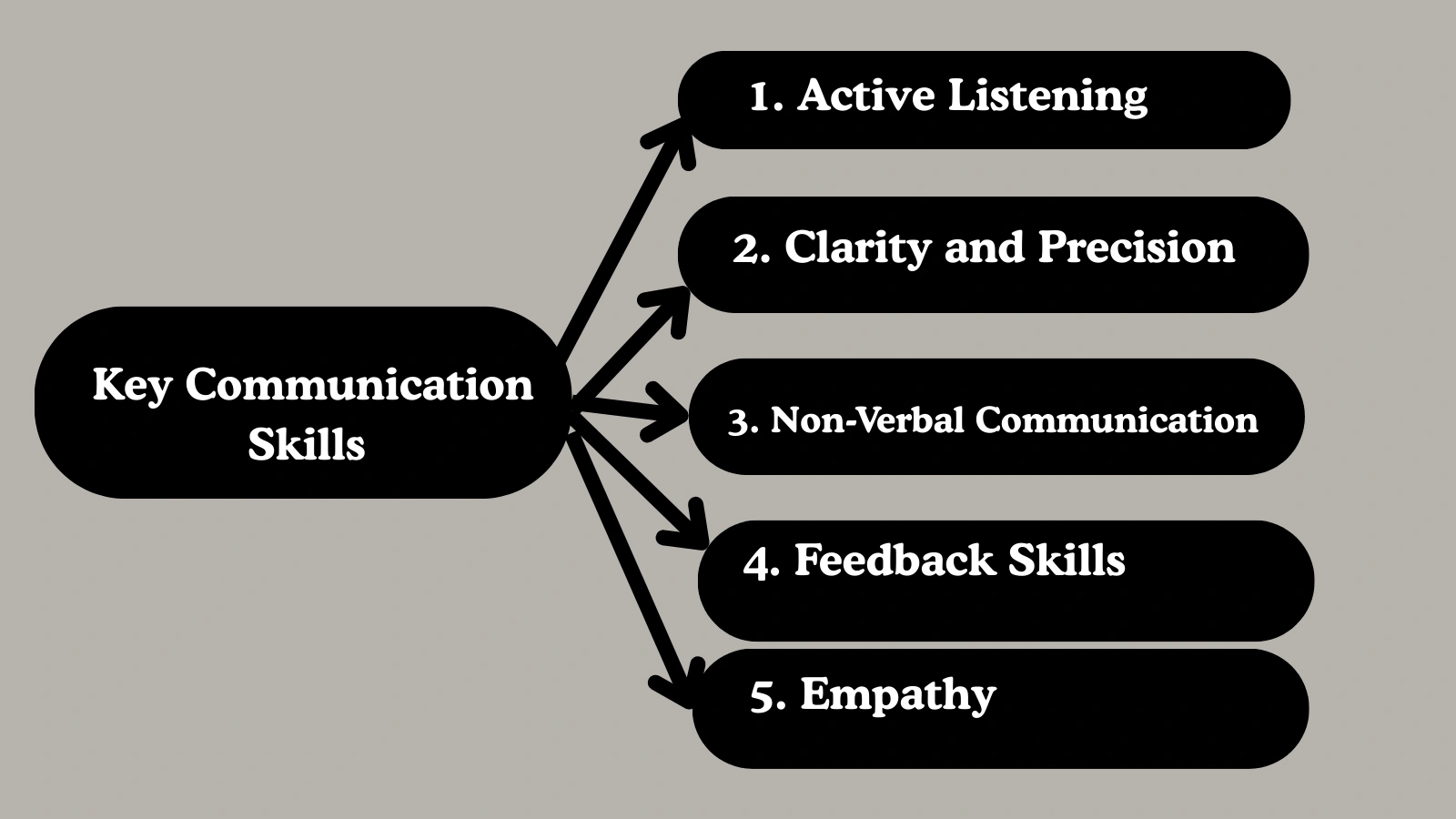
Great communication in the workplace depends on skills that make messages clear, meaningful, and impactful. Every employee, regardless of their role, can benefit from developing the following essential abilities:
1. Active Listening
True listening means giving full attention to the speaker, understanding their point, and responding with care. It’s about hearing not just the words but the intent behind them. When employees listen actively, they show respect, reduce misunderstandings, and build stronger connections within the team.
2. Clarity and Precision
Clear communication saves time and avoids confusion. Employees should focus on delivering their message in a straightforward, simple way that leaves no room for doubt. When everyone speaks with purpose and precision, teamwork becomes smoother, and collaboration gets results faster.
3. Non-Verbal Communication
Body language, eye contact, and tone of voice often speak louder than words. Being aware of these non-verbal cues helps employees understand emotions and intentions more accurately. Positive gestures and attentive posture also create a friendly and open work environment.
4. Feedback Skills
Constructive feedback helps individuals grow and improve. It’s not about pointing out mistakes but guiding others toward better outcomes. When employees give and receive feedback respectfully, they build trust, boost confidence, and strengthen collaboration.
5. Empathy
Empathy allows employees to see situations from others’ viewpoints. It encourages patience, kindness, and understanding in workplace communication. Teams built on empathy work together more harmoniously and handle challenges with mutual support and respect.
When these communication skills grow, they transform how employees connect and contribute to organizational goals.
Read More:
6 Reasons That Make Staff Communication More Important Than Ever
Effective Team Strategy For Both Employees And Employers To Excel
Proven Ways To Improve Workplace Communication For Better Results
Strong communication habits help every workplace operate with greater efficiency, clarity, and connection. When people express ideas freely and understand each other well, teams perform better and achieve goals faster. Here are some proven ways to improve workplace communication and create lasting results:
1. Encourage Transparency
Open communication builds trust across all levels. Managers who share important updates and decisions honestly help employees feel included and valued. Transparency removes confusion, aligns teams with organizational goals, and fosters a culture where information flows freely.
2. Foster Regular Interaction
Frequent check-ins, daily huddles, or weekly review meetings keep everyone on the same page. Regular discussions prevent isolation, especially in hybrid setups, and encourage collaboration across departments. These interactions strengthen teamwork and ensure no one feels left out.
3. Build a Culture of Feedback
Feedback works best when it becomes a natural part of communication in the workplace. Instead of focusing on flaws, constructive feedback helps employees understand their strengths and improve their weaknesses. When leaders encourage open feedback, it turns into a growth tool that benefits both individuals and teams.
4. Use the Right Tools
The right technology can simplify communication and improve productivity. Tools like project trackers, chat platforms, and employee monitoring software streamline the exchange of information. When employees have easy access to these tools, collaboration becomes faster and more organized.
5. Define Clear Roles
Unclear roles often cause confusion and delays. When every team member knows their exact responsibility, coordination becomes smooth and accountability increases. Clear roles reduce overlap, promote ownership, and create a sense of direction that improves workplace communication naturally.
6. Recognize and Appreciate Efforts
Appreciation encourages stronger engagement. Simple gestures like acknowledging hard work or celebrating small wins inspire employees to contribute more. Recognition motivates people to communicate openly and strengthens the emotional connection between team members and leaders.
Implementing these simple but powerful strategies helps teams improve workplace communication at every level. When organizations value openness, feedback, and appreciation, collaboration grows stronger and results become easier to achieve.
How EmpMonitor Helps Track and Evaluate Workplace Behavior for Better Team Performance?
EmpMonitor serves as a powerful workforce management and monitoring tool that helps businesses analyze team behavior and performance patterns. It doesn’t directly train soft skills, but it provides detailed data that reflects how employees apply them in real situations.
Here’s how EmpMonitor contributes to better workplace outcomes:
Employee Monitoring Software
EmpMonitor tracks real-time employee activity, giving managers clear insights into focus, discipline, and accountability. It helps identify how employees manage their time and approach assigned tasks. These insights guide leaders in improving workplace performance and promoting responsibility.
Time Tracking
The time tracking feature records working hours, task durations, and idle periods with precision. It helps managers assess how efficiently employees handle their workload. This promotes better time management — one of the most essential soft skills in professional growth.
User Activity Reports
EmpMonitor generates user activity reports that reveal employee engagement and consistency in daily work. These reports help managers understand how team members use tools and complete tasks. By analyzing this data, leaders can identify both strong performers and areas needing development.
Project Management Tools
Its project management tools allow managers to assign work, monitor progress, and encourage collaboration. This ensures that everyone stays aligned with goals and deadlines. It also enhances teamwork and accountability — two vital soft skills in any workplace.
Attendance Monitoring
EmpMonitor keeps accurate records of attendance and punctuality for every employee. It helps organizations promote professionalism and reliability within their teams. By maintaining attendance discipline, employees demonstrate responsibility and respect for work commitments.
Live Screencasting & Screen Recording
Live screencasting and screen recording features enable managers to view employee activity without disrupting workflow. It builds transparency and trust across the organization. Leaders can observe teamwork and communication behaviors, which help improve collaboration.
Workforce Productivity Reports
EmpMonitor delivers detailed productivity reports showing employee performance trends and efficiency levels. These reports help identify proactive workers and those needing support. Managers can use this data to guide team members and enhance problem-solving and adaptability skills.
Overcoming Common Barriers In Workplace Communication
Even top-performing organizations encounter communication barriers that affect collaboration. Identifying and addressing these challenges helps teams stay connected, efficient, and productive.
- Language or Cultural Differences
Global teams often misinterpret tone or intent due to cultural or language gaps. Promoting cultural sensitivity and encouraging open clarification can prevent misunderstandings. Regular communication training also helps everyone connect better. - Hierarchical Challenges
Employees sometimes hesitate to share ideas with higher management. Building a culture of openness, where feedback is welcomed from all levels, breaks this barrier. It helps every voice be heard and valued equally. - Information Overload
Too much information can lead to confusion and missed priorities. Keeping updates brief and organized ensures clarity and focus. Using structured communication tools helps teams stay aligned. - Lack of Feedback Channels
Without open feedback systems, problems often go unnoticed. Establishing clear channels for two-way communication encourages honesty and improvement. It also strengthens trust between teams and management. - Remote or Hybrid Work Issues
Distributed teams can easily feel disconnected from each other. Regular virtual meetings and tools like EmpMonitor bridge the gap with transparency and collaboration. This ensures consistent and effective communication.
Best Practices To Maintain Effective Communication In The Workplace
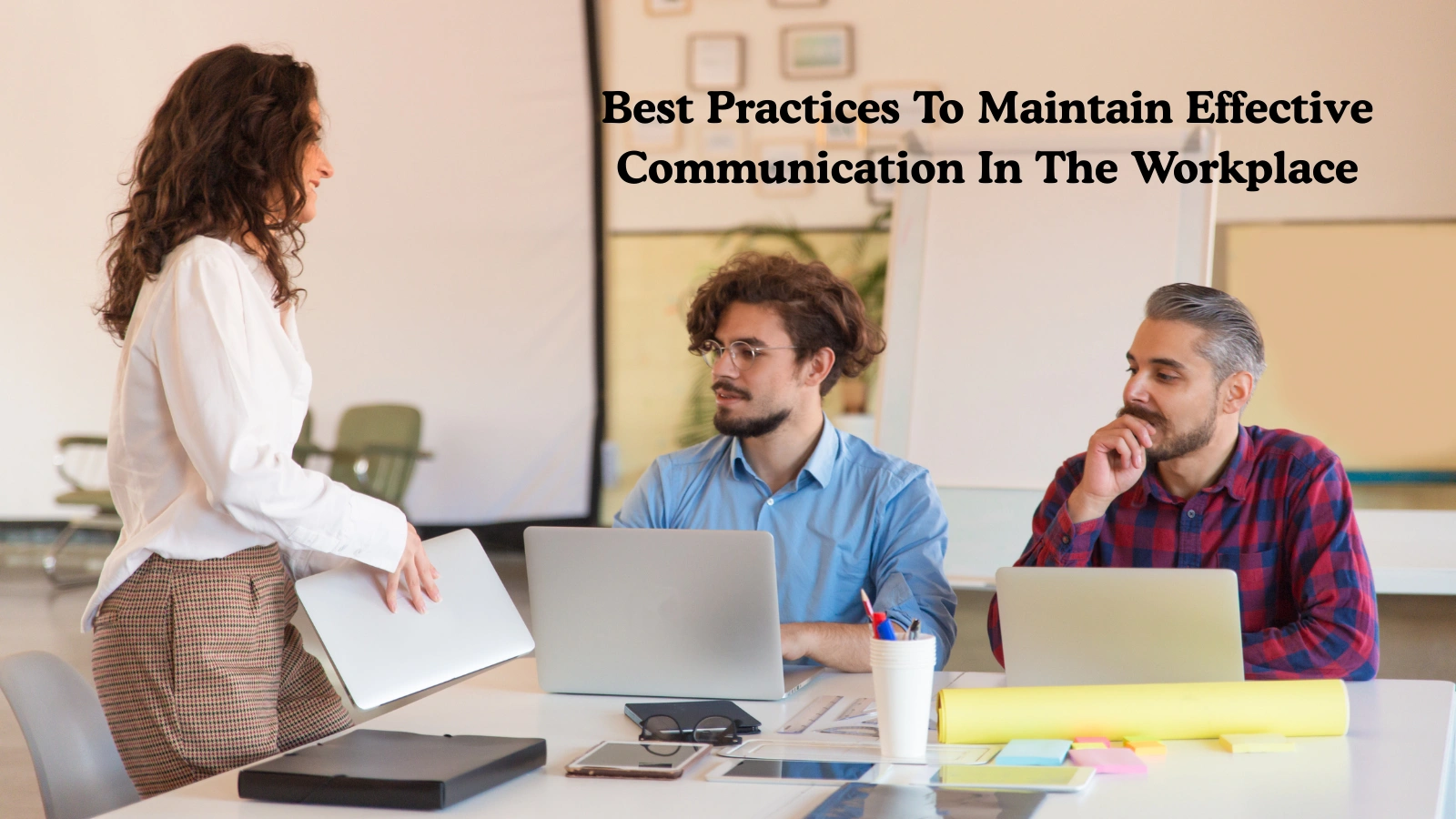
Strong communication habits keep teams united and engaged. By following simple yet effective practices, organizations can build lasting trust and clarity among employees.
- Encourage Empathy
Understanding others’ emotions and perspectives builds respect and harmony. When employees communicate with empathy, they connect better and resolve issues faster. It fosters a more inclusive and cooperative workplace. - Keep Communication Open
When people feel free to express their thoughts without fear, collaboration improves naturally. Open communication promotes honesty, transparency, and stronger team relationships. It creates an environment where everyone feels valued. - Use Simple, Direct Language
Complicated words often lead to confusion or misinterpretation. Keeping messages short and clear ensures everyone understands the intent. This habit saves time and boosts overall communication quality. - Schedule Regular Check-ins
Consistent meetings keep teams informed and motivated. Regular one-on-one or group discussions help address concerns early and strengthen connections. It also ensures goals stay aligned. - Leverage Technology Wisely
Smart use of communication tools enhances collaboration and efficiency. Platforms like EmpMonitor support coordination, transparency, and real-time engagement. When used correctly, technology strengthens every aspect of workplace communication.
Conclusion
A company’s success often reflects the strength of its workplace communication. Open conversations, active listening, and consistent feedback form the foundation of teamwork and trust. Every improvement in how people share ideas adds measurable value to performance and culture.
By integrating communication-focused practices with tools like EmpMonitor, organizations can achieve clarity, productivity, and transparency. Communication is more than talking; it’s about connecting minds, building relationships, and achieving shared goals.
FAQs
- What are the main benefits of improving workplace communication?
Better communication builds trust, strengthens teamwork, boosts morale, and helps achieve goals faster. It also reduces misunderstandings and increases overall productivity across departments. When communication flows freely, it creates a positive and motivated work culture. - How can EmpMonitor improve communication in the workplace?
EmpMonitor provides detailed insights into employee activities, attendance, and performance trends. By offering real-time data, it helps managers identify communication gaps and take quick, informed action to keep teams aligned. Its transparency fosters accountability and smoother collaboration among teams. - Which communication skills are most valuable for employees?
Active listening, empathy, clarity, and constructive feedback are crucial skills. They help employees connect better, understand expectations, and collaborate effectively in any situation. Developing these skills enhances confidence and strengthens workplace relationships. - Why is communication important in the workplace?
Strong communication prevents confusion, improves collaboration, and enhances trust among teams. It also ensures that every employee works toward shared organizational goals with clarity and confidence. Consistent communication keeps the entire workforce engaged and focused on results. - How do managers maintain open workplace communication?
Managers can maintain transparency by setting clear expectations, encouraging honest feedback, and holding regular team discussions. Using tools like EmpMonitor ensures that communication remains consistent, open, and result-driven. This approach builds trust and empowers employees to share ideas freely.