


In a hurry? Listen to the blog instead!
Why Workplace Stress Is Becoming Hard To Ignore
Work stress is no longer limited to tight deadlines or occasional pressure. Many employees now experience ongoing mental fatigue, reduced concentration, and emotional strain. These challenges affect both individual output and overall team performance. As work environments become more demanding, stress has shifted from being a personal issue to a broader organizational concern.
This shift has encouraged companies to focus on long-term well-being instead of relying on short-term fixes that do not address the root causes of stress.
What Workplace Stress Looks Like Today?
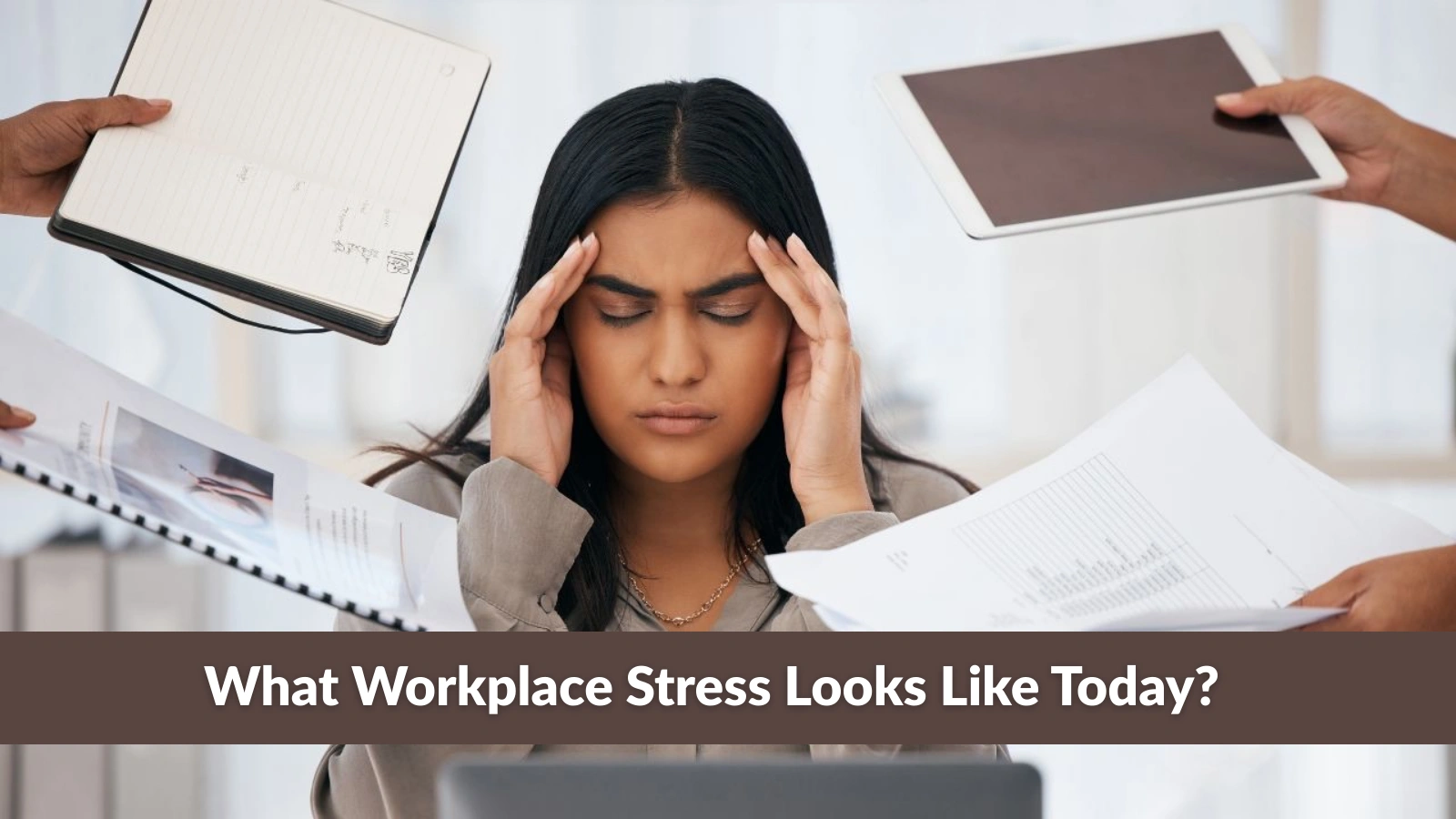

Modern work routines often include long hours, frequent team meetings, and continuous digital communication. Employees are expected to remain available throughout the day, which reduces opportunities to disconnect and recharge. Over time, this constant engagement creates mental fatigue and weakens focus.
Early signs of stress usually appear in subtle ways. Difficulty concentrating, increased frustration, and declining motivation are common indicators. When employees begin skipping breaks or struggling to stay engaged, it often signals deeper pressure that needs attention.
Why Stress Management In The Workplace Matters More Than Ever?
Managing stress effectively plays a direct role in maintaining performance. Employees who feel balanced and supported are more likely to stay focused, make better decisions, and contribute consistently to team goals. When stress is ignored, it often leads to reduced efficiency, more frequent errors, and declining morale.
Organizations that prioritize well-being create a more stable and productive environment. This balance supports both short-term results and long-term growth.
Early Signs Of Unhealthy Work Stress
Stress rarely appears overnight. It builds through small warning signs such as irritability, missed deadlines, and reduced engagement. Employees may withdraw from collaboration or show sudden changes in behavior.
Early recognition allows timely action. Workplace stress management starts with awareness rather than punishment.
What Is Workplace Stress And Why Does It Happen?
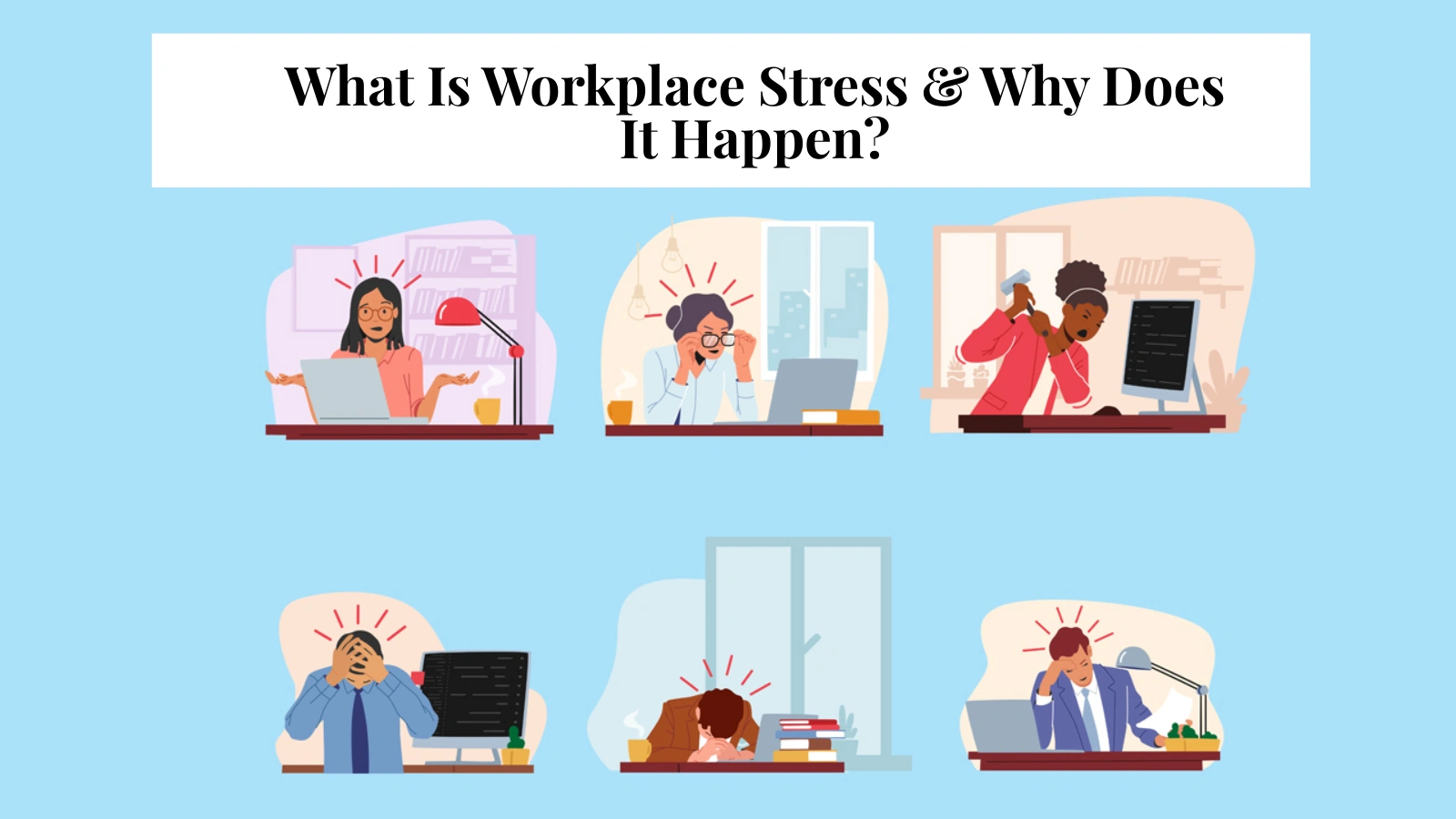
Work stress refers to mental or emotional strain caused by job demands that exceed available resources or control. Tight schedules, role confusion, and constant pressure often trigger this state.
Understanding this definition helps leaders apply 5 ways to manage stress in the workplace with clarity instead of guesswork.
Common Causes of Workplace Stress
Several factors contribute to daily work pressure:
Unclear expectations – When roles, responsibilities, or goals are not clearly defined, employees struggle to understand what is required. This lack of clarity creates confusion, increases hesitation in decision-making, and often leads to anxiety about whether the work meets expectations.
Heavy workload – Managing too many tasks at once or working under unrealistic deadlines puts continuous pressure on employees. Over time, this leads to mental fatigue, reduced efficiency, and a higher chance of mistakes, making work feel overwhelming rather than manageable.
Limited control – When employees have little authority over how they complete their work, they may feel restricted and undervalued. This lack of autonomy reduces motivation, limits creativity, and increases stress because every decision depends on external approval.
Poor communication – Inconsistent or unclear communication often results in misunderstandings, repeated work, and unnecessary delays. Employees may feel frustrated when expectations change without proper updates or when important information is not shared on time.
Lack of feedback – Without regular and constructive feedback, employees remain unsure about their performance. This uncertainty can lower confidence, create self-doubt, and make it difficult to improve, which gradually adds to overall stress levels.
Addressing these root causes early helps prevent stress from building up and becoming harder to manage over time.
The Real Cost Of Ignoring Stress Management In the Workplace
Productivity Loss and Burnout Risks
Employees under constant pressure struggle to maintain output. Burnout leads to disengagement and missed goals. Stress management in the workplace strategies protect both people and performance.
Mental and Physical Health Concerns
Stress affects sleep, energy, and emotional balance. Over time, this pressure leads to anxiety and fatigue. Addressing work stress early supports long-term health.
High Turnover and Disengagement
Talented employees leave environments that ignore stress. Retention improves when leaders apply 5 ways to manage stress in the workplace with consistency.
How To Manage Stress At Work The Right Way?
Building Awareness Before Stress Escalates
Awareness helps teams recognize pressure patterns early. Leaders who observe workload trends create healthier routines. This mindset forms the foundation of workplace stress management.
Why Proactive Workplace Stress Management Works Better Than Reactive Fixes
Reactive solutions treat symptoms, not causes. Proactive planning prevents overload and confusion. Organizations that follow 5 ways to manage stress in the workplace gain stability and trust.
5 Proven Ways To Beat Workplace Stress Without Burning Out
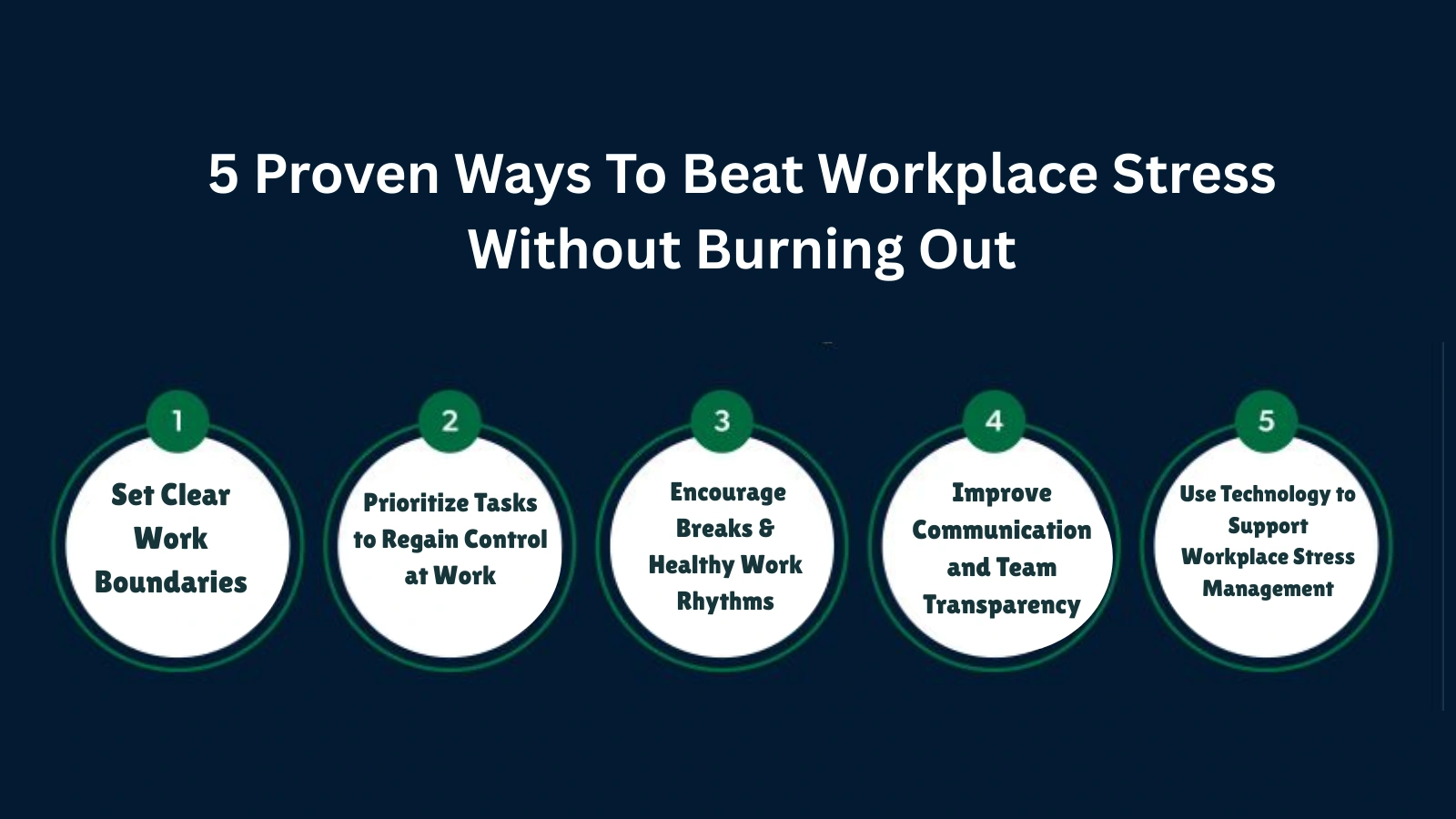
1. Set Clear Work Boundaries to Reduce Daily Work Stress
Clear boundaries create structure in employees’ daily routines. Defining roles, responsibilities, and deadlines prevents confusion, reduces mental load, and ensures work pressure stays manageable, promoting sustained focus and productivity.
Importance of Realistic Workloads
Assigning fair and achievable workloads prevents constant strain. Balanced task distribution allows employees to perform efficiently, minimizes mistakes, and supports overall workplace stress management strategies.
Preventing Overwork and Mental Fatigue
Scheduling rest breaks and prioritizing tasks help employees recharge mentally. Structured downtime reduces burnout risk, improves attention, and aligns with 5 ways to manage stress in the workplace.
2. Prioritize Tasks to Regain Control at Work
Prioritizing tasks ensures employees focus on high-impact work first. This clarity reduces confusion, enhances efficiency, and helps teams manage pressure without feeling overwhelmed.
Smart Planning Techniques to Lower Stress at Work
Using daily plans, task ranking, and clear deadlines allows employees to organize work logically. Structured planning lowers stress, increases productivity, and strengthens workplace stress management.
How Clarity Reduces Unnecessary Pressure
Clear objectives prevent repeated mistakes and wasted effort. When employees understand priorities, they regain control, reduce anxiety, and apply 5 ways to manage stress in the workplace effectively.
3. Encourage Breaks and Healthy Work Rhythms
Regular breaks maintain energy, prevent mental fatigue, and enhance focus. Pausing periodically allows employees to return to tasks refreshed, improving performance and reducing workplace stress.
Why Continuous Work Increases Stress Levels
Working without breaks overworks the brain, causing mental exhaustion and declining productivity. Stress accumulates, making it harder to complete tasks efficiently or maintain focus throughout the day.
Simple Habits That Support Stress Management in the Workplace
Short walks, stretching, and screen-free moments improve concentration and reduce tension. Incorporating these habits consistently reflects the practical 5 ways to manage stress in the workplace.
4. Improve Communication and Team Transparency
Open dialogue reduces uncertainty and builds trust. Teams that understand expectations feel more secure, which lowers anxiety and promotes smoother workflow with less stress.
How Unclear Expectations Fuel Work Stress
Vague roles or instructions create confusion, errors, and frustration. Clear communication prevents misunderstandings, reducing work stress and supporting overall workplace stress management efforts.
Building Trust to Reduce Anxiety at Work
Transparent interactions and honest feedback foster confidence and collaboration. Trust helps employees manage pressure, improves engagement, and strengthens long-term stress management strategies.
5. Use Technology to Support Workplace Stress Management
Modern tools enable leaders to track workload and time usage. Data-driven workforce insights enable managers to prevent overload, maintain balance, and implement effective workplace stress management.
Role of Data-Driven Tools in Reducing Stress
Tracking performance, task completion, and work patterns highlights potential overload. Managers can intervene early, redistribute tasks, and prevent burnout, improving employee well-being.
Why Visibility Helps Prevent Burnout
Clear visibility into workloads ensures fair task allocation. Employees gain confidence, feel supported, and avoid prolonged work stress, reflecting the practical application of the 5 ways to manage stress in the workplace.
Also Read!
Due Diligence Meaning: A Practical Guide For Businesses
Balancing Trust And Security: Best Practices For Personal Computer Monitoring
Use EmpMonitor To Track Your Daily Work
EmpMonitor provides clear insights into work patterns without guesswork. The platform focuses on transparency and balance rather than control.
Tracking Workload Patterns to Prevent Burnout
EmpMonitor tracks time spent on tasks and applications. Managers identify overload trends early and adjust responsibilities.
Monitoring Active vs Idle Time to Promote Healthy Work Habits
Active and idle time reports reveal work rhythm quality. Leaders encourage balanced schedules through factual data.
Identifying Overworked Employees Before Stress Escalates
Consistent long hours signal risk. EmpMonitor highlights these patterns to support timely workplace stress management.
How Managers Can Spot Early Signs of Work Stress?
Managers can identify early signs of work stress by observing changes in behavior and performance. Employees who respond late, lose focus, or consistently miss goals may be experiencing high levels of stress. Rather than relying on assumptions, careful observation of these patterns provides a clearer picture of who might need support. Monitoring trends over time allows managers to understand workload pressures and work habits without micromanaging.
Excessive oversight can increase stress and reduce trust, whereas pattern awareness helps leaders intervene thoughtfully, offer guidance, and maintain a balanced, productive work environment. Recognizing these early indicators ensures that stress does not escalate, supporting overall workplace stress management and employee well-being.
Best Practices For Long-Term Stress Management In The Workplace
Adopting consistent strategies helps organizations reduce long-term stress, support employee well-being, and maintain high performance across teams.
Creating a Culture That Supports Mental Well-Being
Encourage a workplace environment that values balance, respect, and open communication. Supportive cultures reduce stress, increase engagement, and empower teams to perform consistently without risking burnout.
Balancing Performance With Employee Health
Prioritize employee health alongside productivity. Healthy, well-rested employees sustain performance longer, make better decisions, and contribute to effective workplace stress management over time.
How Employees Can Take Charge Of Managing Stress At Work?
Employees can actively manage stress at work by adopting practical strategies. Following these can help them stay healthy, focused, and productive:
Set Clear Boundaries – Define work hours and personal computer to prevent overload and maintain focus.
Prioritize Tasks – Organize work by importance to reduce confusion and pressure.
Take Regular Breaks – Short pauses and movement refresh the mind and prevent burnout.
Communicate Openly – Share challenges with managers or teammates to reduce stress from unclear expectations.
Use Tools and Technology Wisely – Track workload and progress to gain insight, balance tasks, and maintain consistent performance.
Consistently applying these 5 ways to manage stress in the workplace helps employees strengthen resilience, protect mental and physical health, and maintain high output without compromising well-being. These actionable steps allow individuals to take charge of their work stress and thrive even in demanding environments.
Common Myths About Workplace Stress Management
Misunderstandings about stress often prevent employees and managers from handling it effectively. Recognizing common myths helps teams adopt practical strategies, reduce unnecessary pressure, and improve overall workplace well-being. Applying the 5 ways to manage stress in the workplace helps employees focus on effective practices instead of relying on misconceptions.
Stress Equals Productivity
Many people believe that working under constant pressure improves results. In reality, sustainable output comes from balanced workloads, clear priorities, and focused effort. The following 5 ways to manage stress in the workplace ensure employees maintain productivity without unnecessary strain.
Being Always Available Improves Efficiency
Constant availability can increase work stress and lead to burnout. Clear expectations and structured work hours help employees stay productive without harming their well-being.
Ignoring Breaks Builds Discipline
Skipping rest periods does not strengthen resilience. Regular breaks maintain focus, reduce fatigue, and support long-term workplace stress management.
Multitasking Reduces Workload
Attempting multiple tasks simultaneously can cause mistakes and mental strain. Focusing on one task at a time lowers work stress and improves performance.
Stress Can Be Fully Eliminated
Stress is a natural response to challenges. Effective workplace stress management minimizes harmful effects, rather than trying to remove stress entirely.
Final Thoughts
Managing stress at work is essential for both employees and organizations. Simple, consistent actions can prevent burnout while maintaining productivity.
A balanced workplace is not just about meeting deadlines; it is about creating an environment where people can perform at their best without compromising their well-being.
FAQs
Why does work stress affect performance?
Stress interferes with focus, decision-making, and energy levels. High stress reduces clarity, slows problem-solving, and lowers overall productivity in employees.
How to manage stress at work effectively?
Managing stress requires clear priorities, realistic boundaries, consistent breaks, and self-awareness. These strategies help employees stay focused and maintain control over their workload.
Can tools support stress management in workplace efforts?
Yes, technology and monitoring tools like EmpMonitor provide visibility into tasks and workload patterns, helping managers prevent overload and reduce employee stress.
How often should teams review stress levels?
Teams should regularly assess workloads, performance, and employee well-being. Frequent reviews help identify pressure points early and prevent long-term burnout or disengagement.
Do all industries face workplace stress?
Stress is universal across sectors. While intensity varies, employees in every industry experience deadlines, expectations, and pressures that require effective workplace stress management strategies.